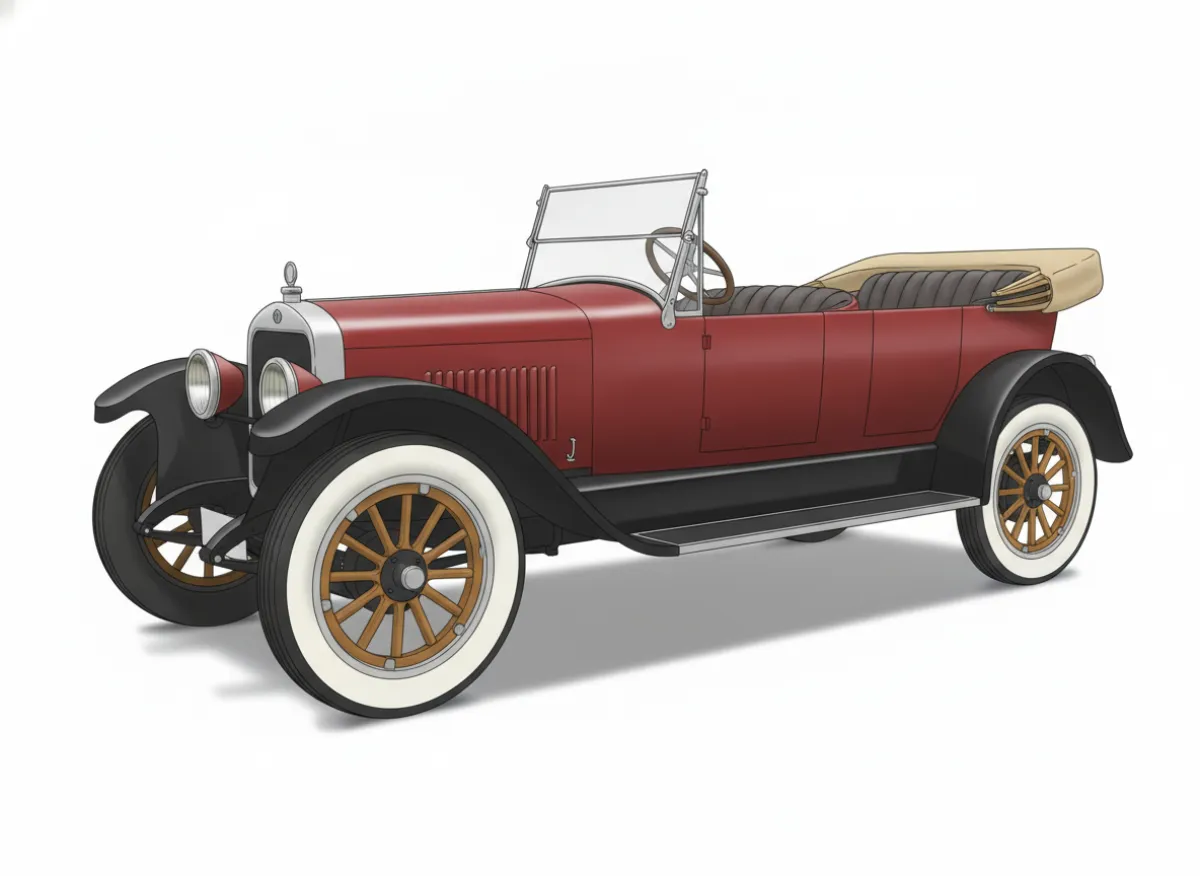
In production
Units built
Not documented
Origin
United Kingdom
Production
1914–1915, 1919
Class and layout
FR
Catalog record4 generationsWikipedia ↗
A breadth record from Wikipedia. Year-by-year colors, serial ranges and prices are in researched dossiers; this car does not have one yet.
The Standard Ten was a model name given to several small cars produced by the British Standard Motor Company between 1906 and 1961. The name was a reference to the car's fiscal horsepower or tax horsepower, a function of the surface area of the pistons. This system quickly became obsolete as an estimate of the power produced by the engine, but it continued to be relevant as a way to classify cars for tax purposes.
Text from Wikipedia, CC BY-SA 4.0.
Body styles by generation
Generations
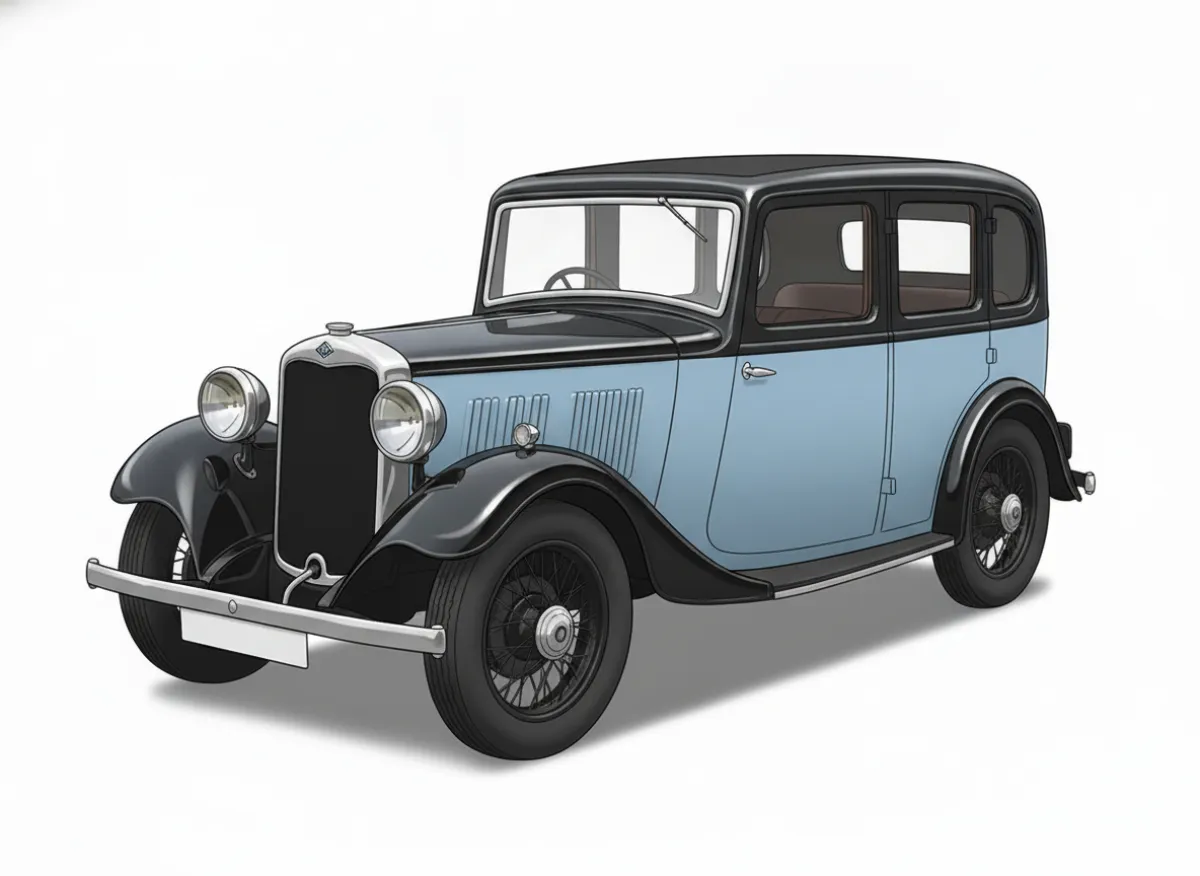
1934–1936
10 hp (1934–1936)
Standard
- Bodies
- Not recorded
- Engines
- 1343 cc inline four side-valve engine
- Gearboxes
- Not recorded
- Built at
- Not recorded
- Size
- Not recorded
- Wheelbase
- 2,311 mm
- Weight
- Not recorded
- Built
- Not recorded
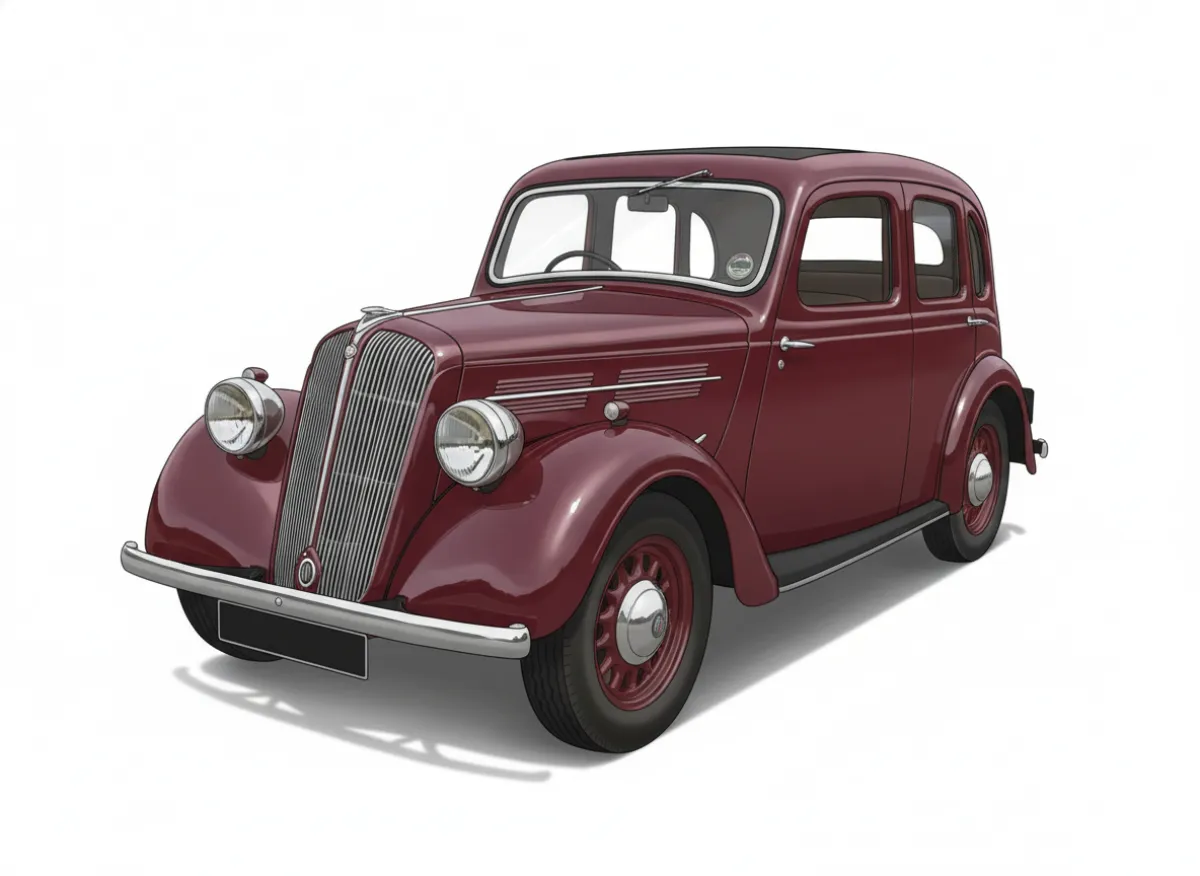
1937–1939
Flying Ten
Standard Flying Ten
- Bodies
- saloon, 2 door coupe utility
- Engines
- 1267 cc Inline-four engine
- Gearboxes
- Three speed manual
- Built at
- Not recorded
- Size
- 3,861 × 1,435 × — mm
- Wheelbase
- 2,286 mm
- Weight
- Not recorded
- Built
- Not recorded
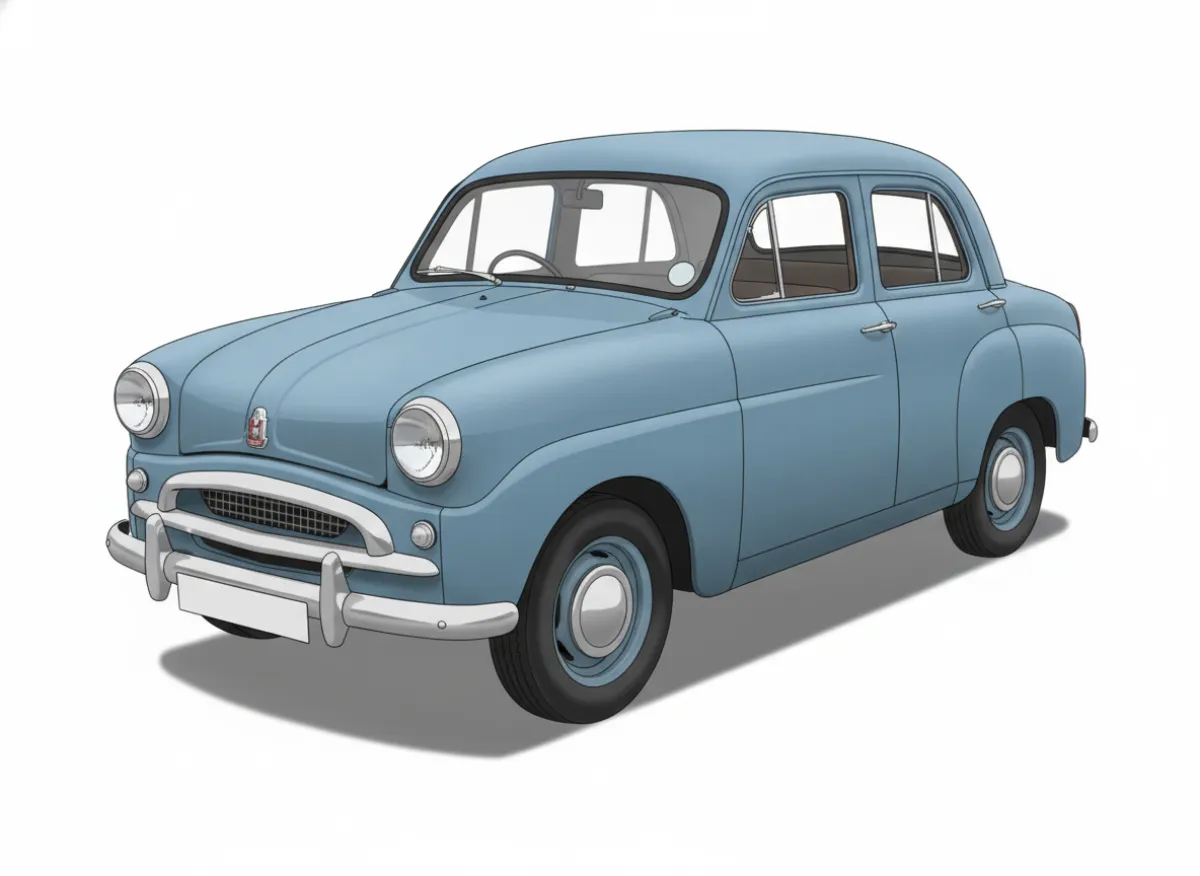
1954–1960
Post-war models
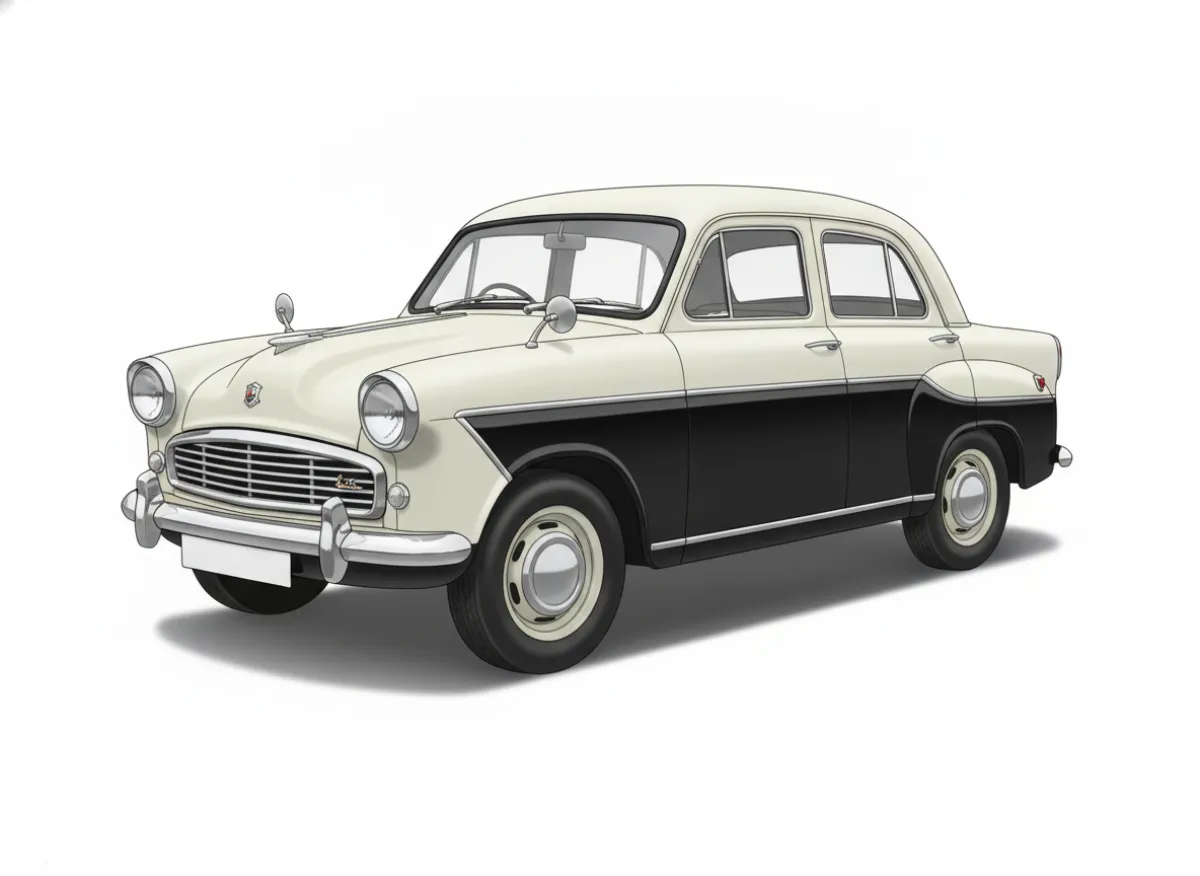
Standard Ten
- Bodies
- 4-door saloon, 4-door estate car, 2-door coupe utility, 2-door panel van
- Engines
- 948 cc OHV I4
- Gearboxes
- Four speed manual; optional overdrive
- Built at
- United Kingdom; Australia; India
- Size
- 3,658 × 1,524 × 1,524 mm
- Wheelbase
- 2,134 mm
- Weight
- Not recorded
- Built
- 172,500
1957–1960
Standard Pennant
- Bodies
- 4-door saloon
- Engines
- 948 cc OHV I4
- Gearboxes
- Four-speed manual; optional overdrive
- Built at
- Not recorded
- Size
- 3,607 × 1,499 × 1,524 mm
- Wheelbase
- 2,134 mm
- Weight
- Not recorded
- Built
- 42,910
Where it was built
- United Kingdom
- Australia
- India