United Kingdom · since 1922
Jaguar
From Blackpool sidecars to Le Mans winners and the E-Type, through five changes of owner, to an all-electric restart.
Models on record
Researched dossiers
- Founded
- 1922
- Founders
- William Lyons, William Walmsley
- Headquarters
- Whitley, Coventry, England
- Owned by
- Tata Motors (through Jaguar Land Rover)
- Status
- active
- Cars on record
- 1936–today
Marque summary from Wikipedia, CC BY-SA 4.0.
About Jaguar
Jaguar (UK: , US: ) is a British sports car and luxury vehicle brand owned by Tata Motors, operating under the merged division Jaguar Land Rover Limited (JLR). Jaguar's business was founded as the Swallow Sidecar Company in 1922, originally making motorcycle sidecars before developing bodies for passenger cars. Under the ownership of SS Cars, the business expanded to complete cars made in association with Standard Motor Company, many of which bore the Jaguar model name.
Who owned it
8 changes of control, 1922 to today.
- 1922–1934William Lyons and William Walmsley (Swallow Sidecar Company)Private partnership; Walmsley sold out in 1934 and the old company was liquidated.
- 1934–1966SS Cars Limited, renamed Jaguar Cars Limited in 1945 (public shareholders, William Lyons in control)Lyons formed SS Cars in 1934 and raised capital by issuing shares to the public. Renamed Jaguar Cars Limited on 23 March 1945.
- 1966–1968British Motor Corporation, renamed British Motor Holdings (BMH)Merger with BMC announced July 1966; the combined holding company took the BMH name at the end of 1966. The Wikipedia article's body text dates the press conference 11 July 1965, which conflicts with its own lead (1966); 1966 is used here.
- 1968–1975British Leyland Motor CorporationFormed in 1968 by the merger of BMH and Leyland Motor Corporation.
- 1975–1984British Leyland (state-owned)British Leyland was effectively nationalised in 1975 after the Ryder Report.
- 1984–1989Jaguar plc (public company, London Stock Exchange)Floated in July 1984. Ford's offers were made in November 1989; the listing was removed on 28 February 1990.
- 1989–2008Ford Motor Company · 100%Offers to shareholders November 1989, delisted 28 February 1990. Part of the Premier Automotive Group from 1999. Wikipedia's John Egan article gives the price as £1.6 billion.
- 2008–nowTata Motors (through Jaguar Land Rover) · 100%Sale agreed 26 March 2008, completed 2 June 2008. Wikipedia's articles give different prices (£1.7 billion in 'Jaguar Cars', £1.15 billion in 'Premier Automotive Group'), so no price is recorded here.
Chief executives
Sales, revenue and rank
Vehicles sold or built
What the figure counts changes 1 times. Read each numbered stretch on its own.
- 1988–2008Jaguar worldwide sales, as stated by Jaguar in 1999 when the record was broken
- 2012–2025Jaguar-brand retail sales worldwide, calendar year (Jaguar Land Rover)
Revenue
GBP of the day, not adjusted for inflation
Jaguar Land Rover (Jaguar and Land Rover together), consolidated turnover for the fiscal year 1 April 2008 to 31 March 2009; parent-group figure, not Jaguar alone
Best-selling model each year
| Year | Model | Units | Market | All vehicles |
|---|---|---|---|---|
| 2025 | XF | 7,688 | worldwide retail | 25,645 |
| 2024 | F-Pace | 21,199 | worldwide retail | 59,227 |
| 2023 | F-Pace | 21,943 | worldwide | 64,241 |
| 2022 | F-Pace | 21,117 | worldwide | 61,661 |
| 2021 | F-Pace | 27,818 | worldwide retail | 86,270 |
| 2020 | F-Pace | 27,926 | worldwide retail | 102,494 |
| 2019 | F-Pace | 48,484 | worldwide | 161,601 |
| 2018 | F-Pace | 56,563 | worldwide retail | 180,833 |
| 2016 | F-Pace | 45,973 | worldwide | 148,730 |
| 2002 | X-Type | 73,600 | worldwide | 130,330 |
Sources for these figures (37)
- Jaguar Cars — Wikipedia
- Jaguar Land Rover (history, leadership and financial data table citing JLR annual reports) — Wikipedia
- Premier Automotive Group — Wikipedia
- William Lyons — Wikipedia
- Lofty England — Wikipedia
- Geoffrey Robinson (politician) — Wikipedia
- John Egan (industrialist) — Wikipedia
- Bibiana Boerio — Wikipedia
- Geoff Polites — Wikipedia
- Ralf Speth — Wikipedia
- Thierry Bolloré — Wikipedia
- Jaguar press release, Detroit, 6 January 1999: 1998 worldwide sales of 50,220, beating the 1988 record of 49,495 — Jaguar Cars (hosted by The Auto Channel)
- Jaguar's Worldwide Sales Soar Again (9 January 2001) — CWN, Coventry & Warwickshire News
- Jaguar North America Fact Sheet (1997 press kit) — Jaguar North America (hosted by The Auto Channel)
- Jaguar: manufacturer profile and sales figures — AutoZine (Mark Wan)
- Jaguar hopes to turn the corner with the launch of its new XK model — Marketing Week
- Jaguar Records Annual Sales Boost in 2008 — Jaguar media newsroom
- 2013 Proves a Record Breaking Year for Jaguar Land Rover's Award Winning Model Line Up (gives 2013 and 2012 brand totals) — Jaguar Land Rover media
- Jaguar Land Rover Reports Strong Full Year Sales for 2014 — Jaguar Land Rover media
- Jaguar Land Rover Reports Strong Full Year Global Sales for 2015 — JLR media
- Jaguar Land Rover sails past half-million sales mark in 2016 as Jaguar sets new record (JLR release) — Automotive World
- Award-winning vehicles drive Jaguar Land Rover sales uplift in 2017 — JLR media
- Jaguar Land Rover reports December 2018 and year end sales — Jaguar Land Rover media
- Jaguar Land Rover shows signs of recovery despite 2019 sales drop — Autocar
- Jaguar Land Rover retail sales continue to recover in quarter ending December 2020 (calendar-year table) — Jaguar Land Rover media
- Third quarter sales continued to be constrained by semiconductor shortages (calendar-year 2021 table) — Jaguar Land Rover media
- JLR sales volumes spreadsheet, Q3 FY20 (calendar 2019 vs 2018) (retail and wholesale by brand and model; quarter, fiscal-year and calendar-year to date) — JLR Results Centre
- JLR sales volumes spreadsheet, Q3 FY21 (calendar 2020 vs 2019) (retail and wholesale by brand and model; quarter, fiscal-year and calendar-year to date) — JLR Results Centre
- JLR sales volumes spreadsheet, Q3 FY22 (calendar 2021 vs 2020) (retail and wholesale by brand and model; quarter, fiscal-year and calendar-year to date) — JLR Results Centre
- JLR sales volumes spreadsheet, Q3 FY23 (calendar 2022 vs 2021) (retail and wholesale by brand and model; quarter, fiscal-year and calendar-year to date) — JLR Results Centre
- JLR sales volumes spreadsheet, Q3 FY24 (calendar 2023 vs 2022) (retail and wholesale by brand and model; quarter, fiscal-year and calendar-year to date) — JLR Results Centre
- JLR sales volumes spreadsheet, Q3 FY25 (calendar 2024 vs 2023) (retail and wholesale by brand and model; quarter, fiscal-year and calendar-year to date) — JLR Results Centre
- JLR sales volumes spreadsheet, Q3 FY26 (calendar 2025 vs 2024) (retail and wholesale by brand and model; quarter, fiscal-year and calendar-year to date) — JLR Results Centre
- JLR Q4 FY24 earnings release (10 May 2024): FY24 revenue £29.0 billion — Jaguar Land Rover Automotive plc
- JLR Q4 FY25 earnings release (13 May 2025): FY25 revenue £29.0 billion, flat year on year — Jaguar Land Rover Automotive plc
- JLR Q4 FY26 earnings release (14 May 2026): FY26 revenue £22.9 billion — Jaguar Land Rover Automotive plc
- Jonathan Browning (UK businessman) — Wikipedia
- Annual units are a patchwork, not one series. 1988 and 1998 come from a Jaguar release; 1999, 2001 and 2005–2008 from AutoZine, a secondary compilation that cites JLR investor relations in general terms; 2000 from a contemporary report of Jaguar's own announcement; 2002 from Marketing Week; 2012–2023 are JLR calendar-year retail sales taken from JLR releases or reports of them. 2019–2025 totals and all model figures from 2018 on are checked against JLR's own quarterly volume spreadsheets (Q3 of each fiscal year carries calendar-year-to-date retail by model, with the prior year alongside).
- No year-by-year production or sales series before 1998 was found online, apart from 1988. Jaguar Daimler Heritage Trust pages consulted carry no figures; the standard printed sources (Clausager, Whyte, Porter and Skilleter) were not available. Years 1922–1987 and 1989–1997 are therefore absent rather than estimated.
- 2003 and 2004 are omitted because the sources disagree on which year the figure 118,918 belongs to: AutoZine lists it under 2003 with no 2004 entry, while Marketing Week gives about 119,000 for 2004.
- 2009–2011 units are null. Only fiscal-year (April–March) figures were found for those years, via AutoZine: 47,418 in 2009/10, 52,993 in 2010/11 and 54,039 in 2011/12. They are not entered because the rest of the run is calendar-year.
- 2024 (59,227) and 2025 (25,645) are calendar-year retail from JLR's Q3 FY25 and Q3 FY26 volume spreadsheets. German Wikipedia's 26,862 for 2024 matches neither calendar nor these figures and is not used. Wholesales in the same sheets were 33,320 (2024) and 12,199 (2025); not charted, since the series is retail.
- English and German Wikipedia list 180,198 for 2018; that is the fiscal 2018/19 figure. JLR's calendar-2018 retail total is 180,833, used here.
- Revenue is Jaguar Land Rover's consolidated turnover (both brands), from the table in Wikipedia's Jaguar Land Rover article, which cites JLR annual reports. JLR reports April–March fiscal years; each is attached to the calendar year in which it starts (fiscal year ended 31 March 2015 is under 2014). Jaguar-only revenue is not published. No revenue for Jaguar Cars or Jaguar plc before 2008 was sourced. FY2023/24 to FY2025/26 (under 2023–2025) are the rounded £29.0bn, £29.0bn and £22.9bn from JLR's full-year earnings releases, not exact £m figures.
- Best sellers: X-Type 2002 (AutoZine), F-Pace 2016 (JLR release), F-Pace 2018–2024 and XF 2025 (JLR volume spreadsheets, worldwide retail incl. the Chery JLR joint venture). 2017 has no model figure: JLR's release names F-Pace, XE and XF as the growth drivers without units. In 2025 the XF (7,688) beat the XE (6,479) and F-Pace (6,759).
- No ranking is given: OICA ranks Tata Motors and Ford as groups, not Jaguar.
- Leaders have gaps. 1975–1980: after the Ryder Report Jaguar was run inside British Leyland; Jaguar Heritage lists Bob Knight as a managing director but gives no dates. 1990–2004: the sources consulted show Nick Scheele as chairman and chief executive in January 1999 and Jonathan Browning as managing director (Wikipedia: 1999–2001); Egan's immediate successor and the managing directors between Browning and Boerio (Wikipedia names Mike Wright as Boerio's predecessor) could not be dated. Mike O'Driscoll followed Boerio (2007), dates not sourced. Bill Hayden is commonly named as Egan's successor in 1990, but no source could be opened to confirm it (the web-search budget for this run was exhausted). 2008–2010: the JLR chief executive between Polites and Speth was not confirmed.
- The price Ford paid in 1989–90 is given as £1.6 billion in Wikipedia's John Egan article; no primary source was opened to confirm it.
- Wikipedia's Jaguar Cars sales table gives 20,000 for 1992; it is a round figure with no stated basis and is not charted.
Factories
Researched dossiers
Every model
Models in production each year
1930s
1 launched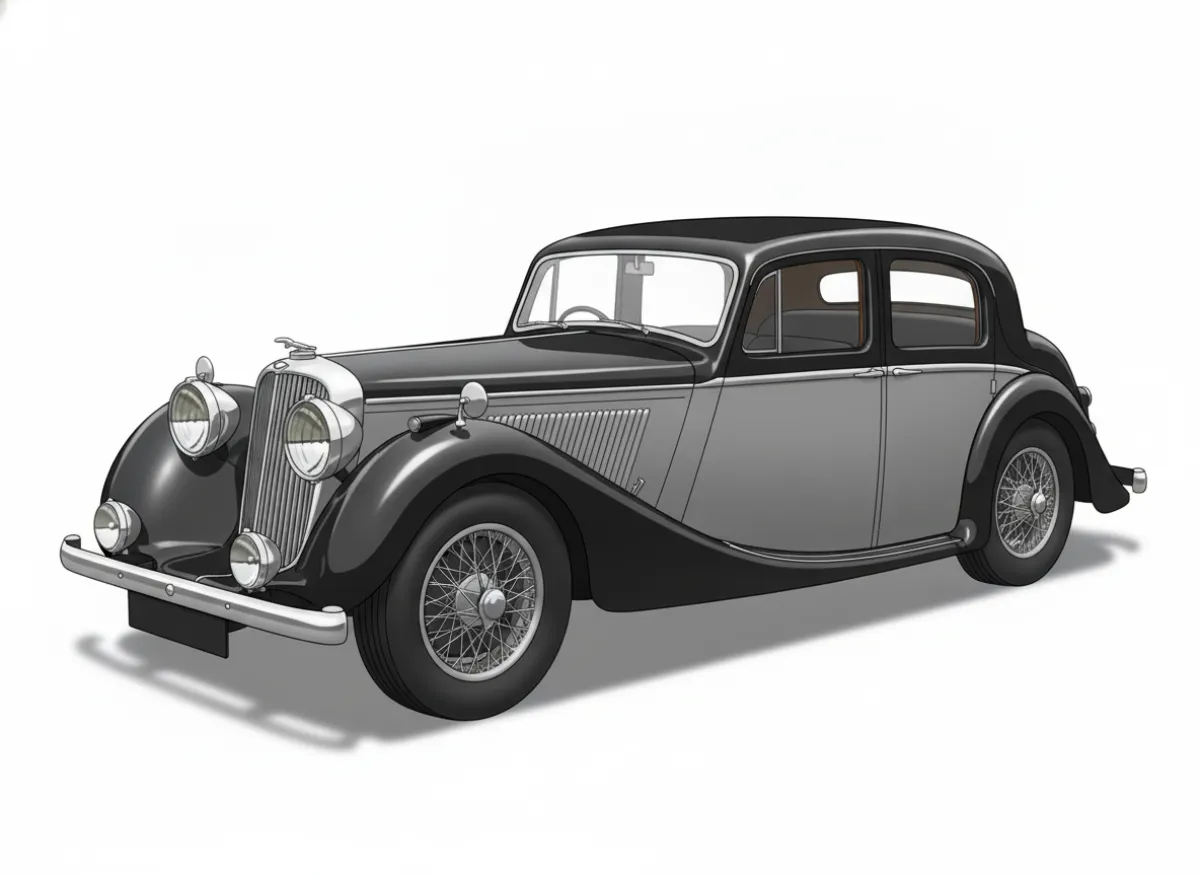
1940s
2 launched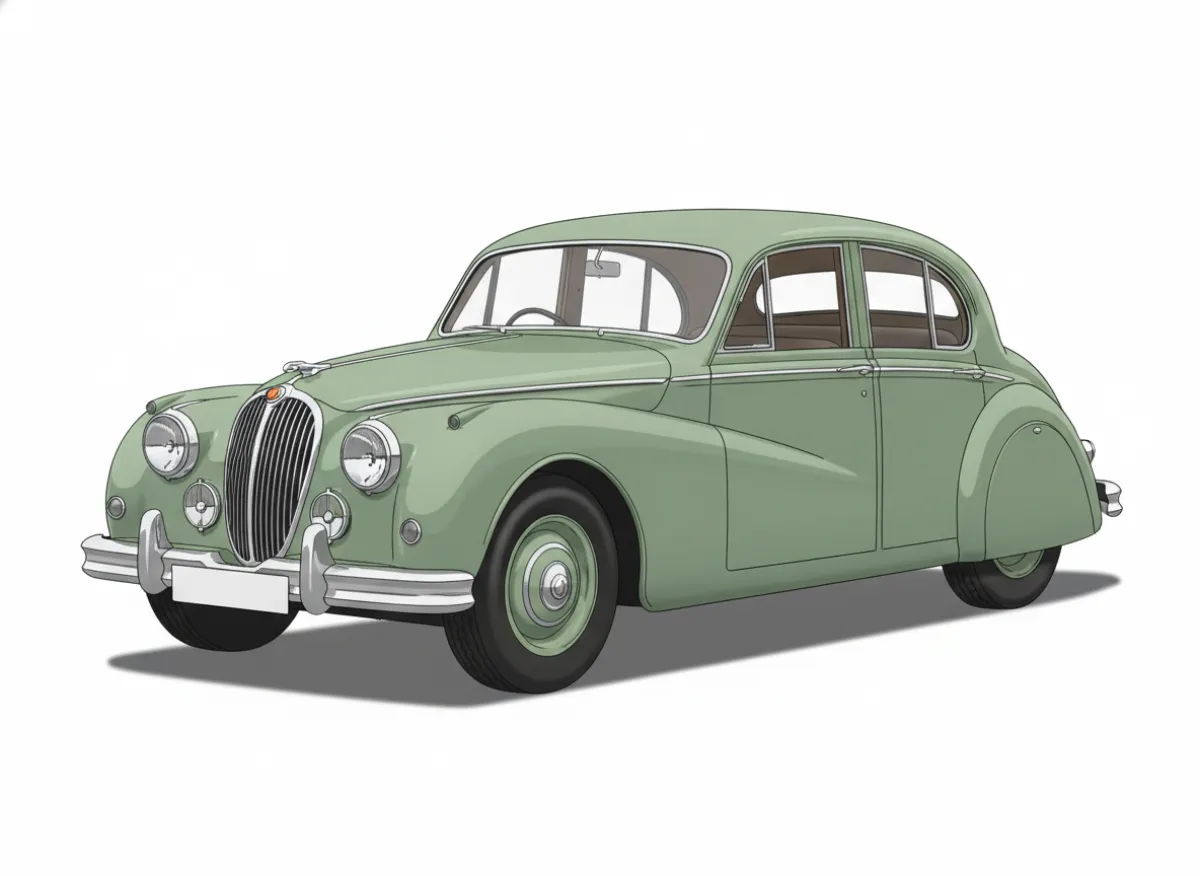
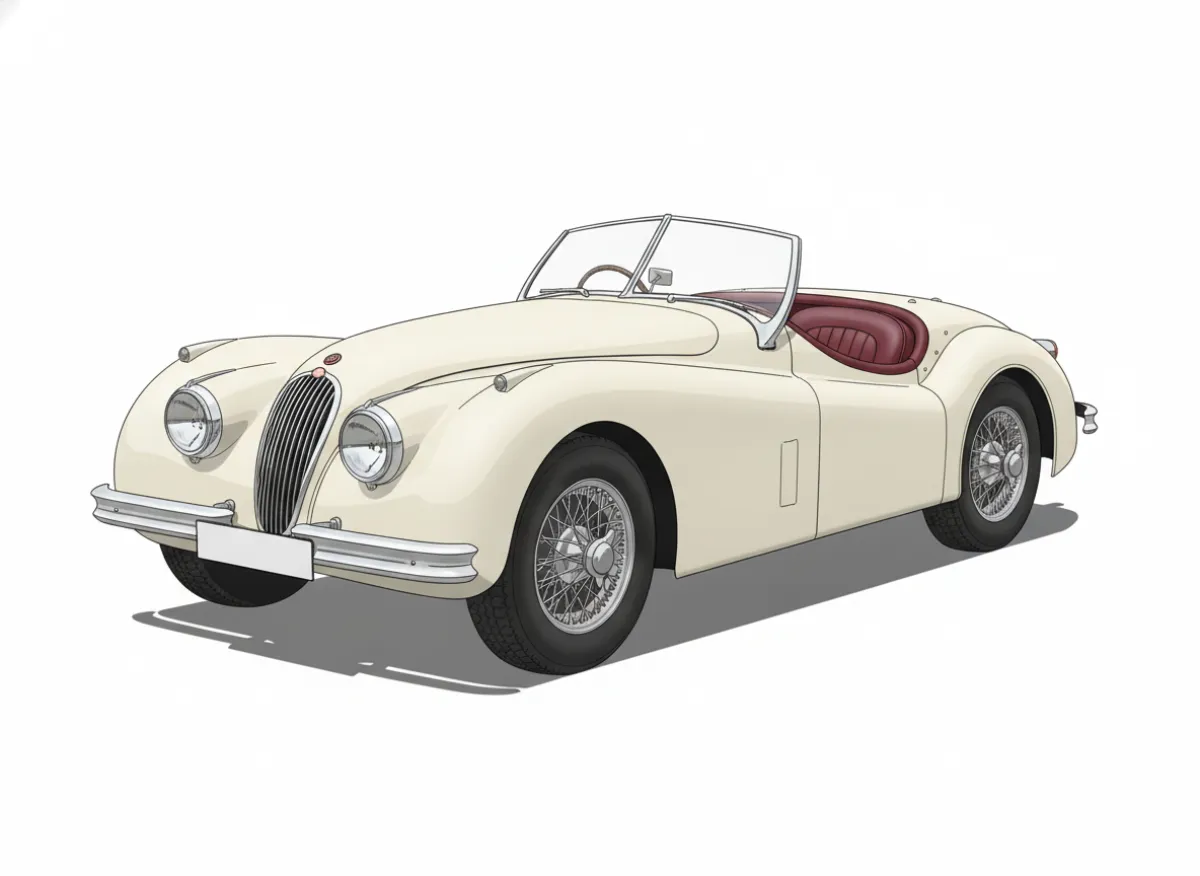
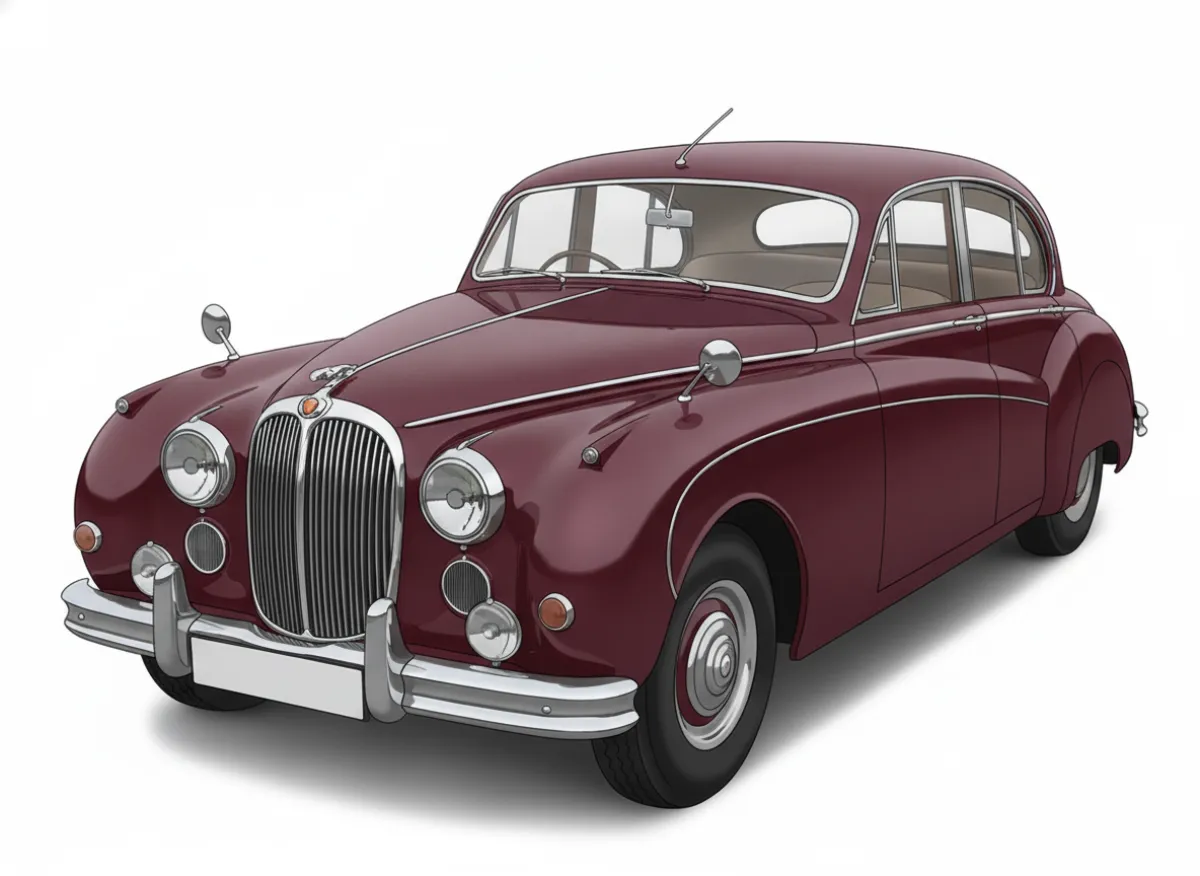
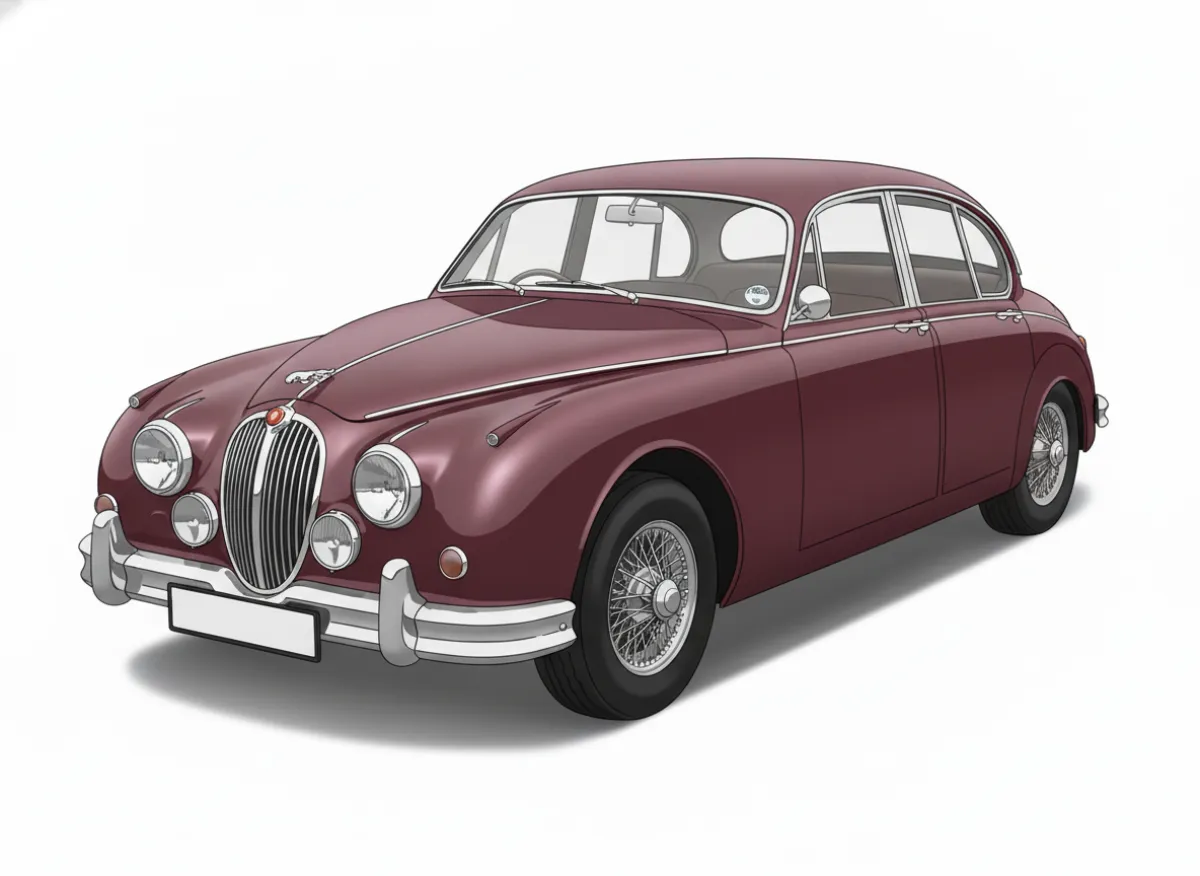
1950s
10 launched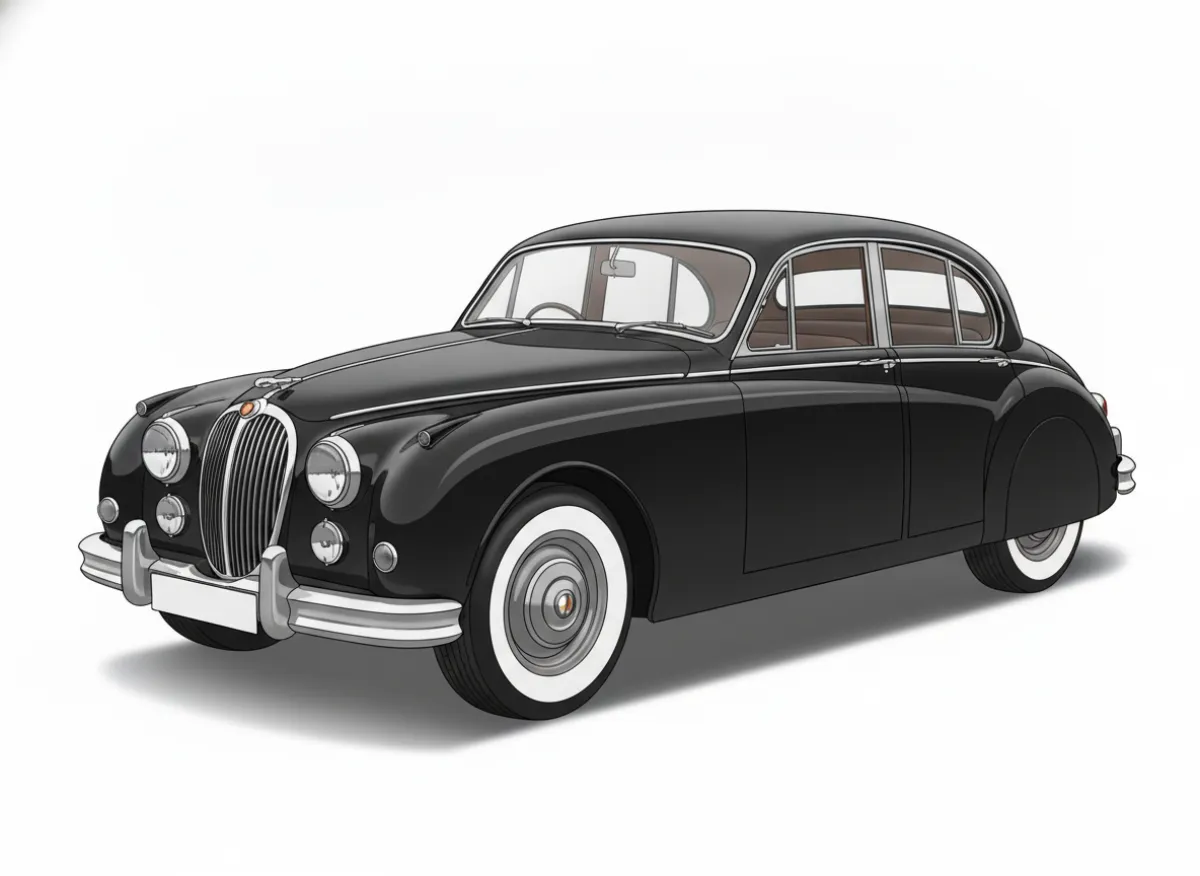
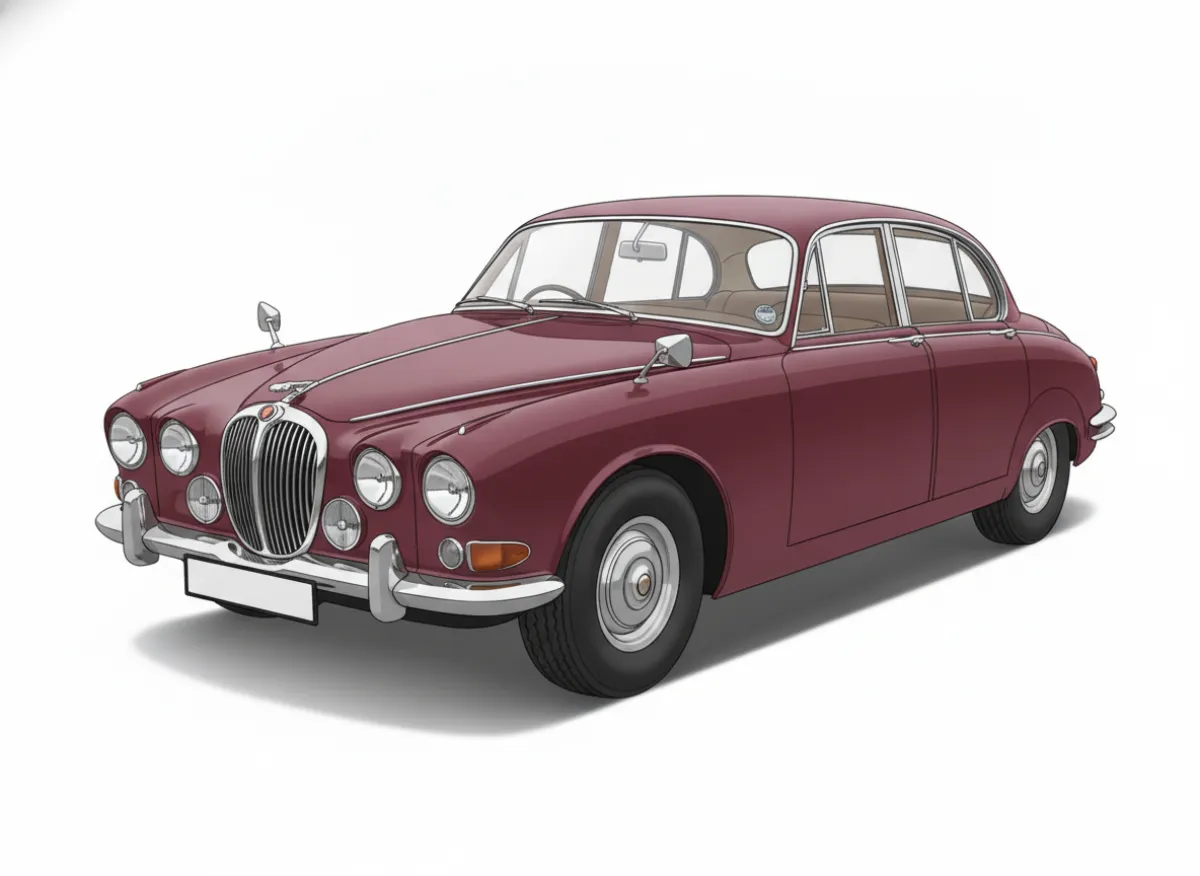
1960s
6 launched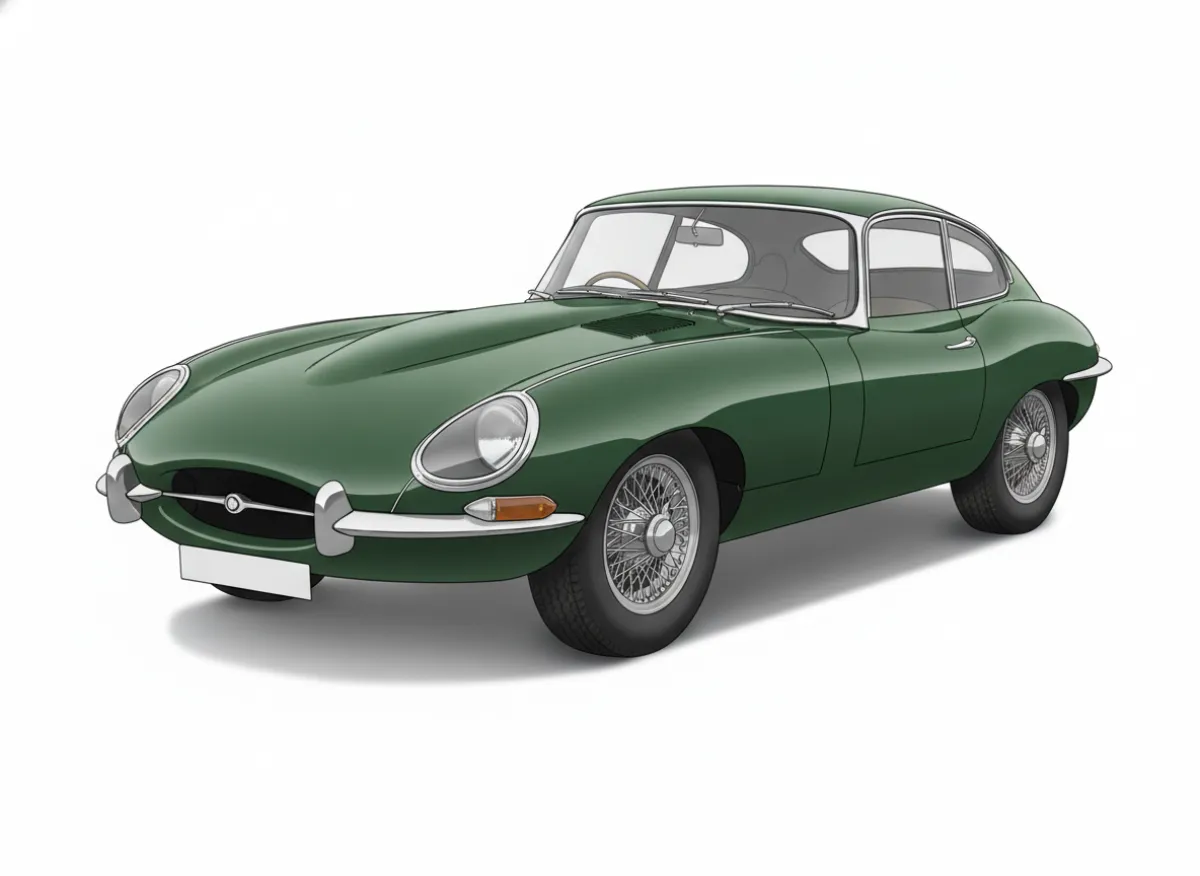
1970s
2 launched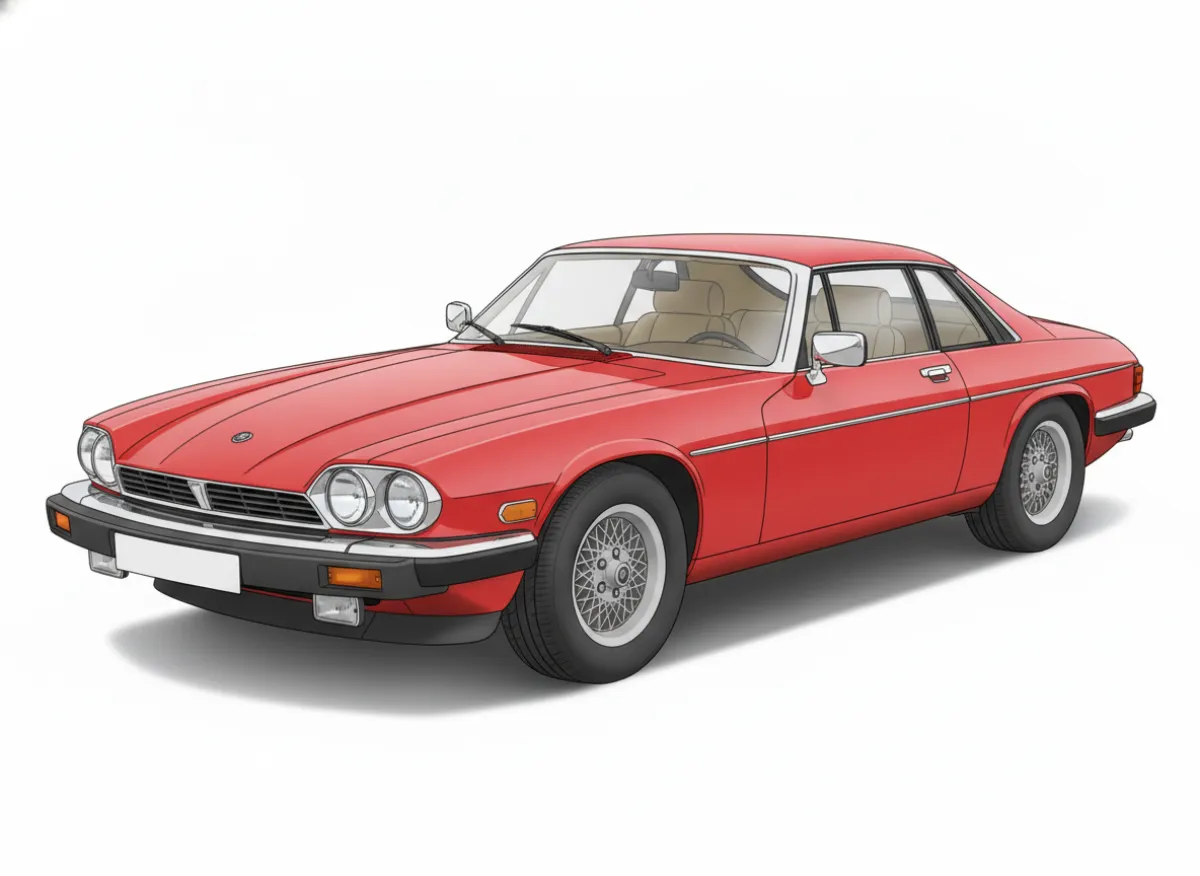
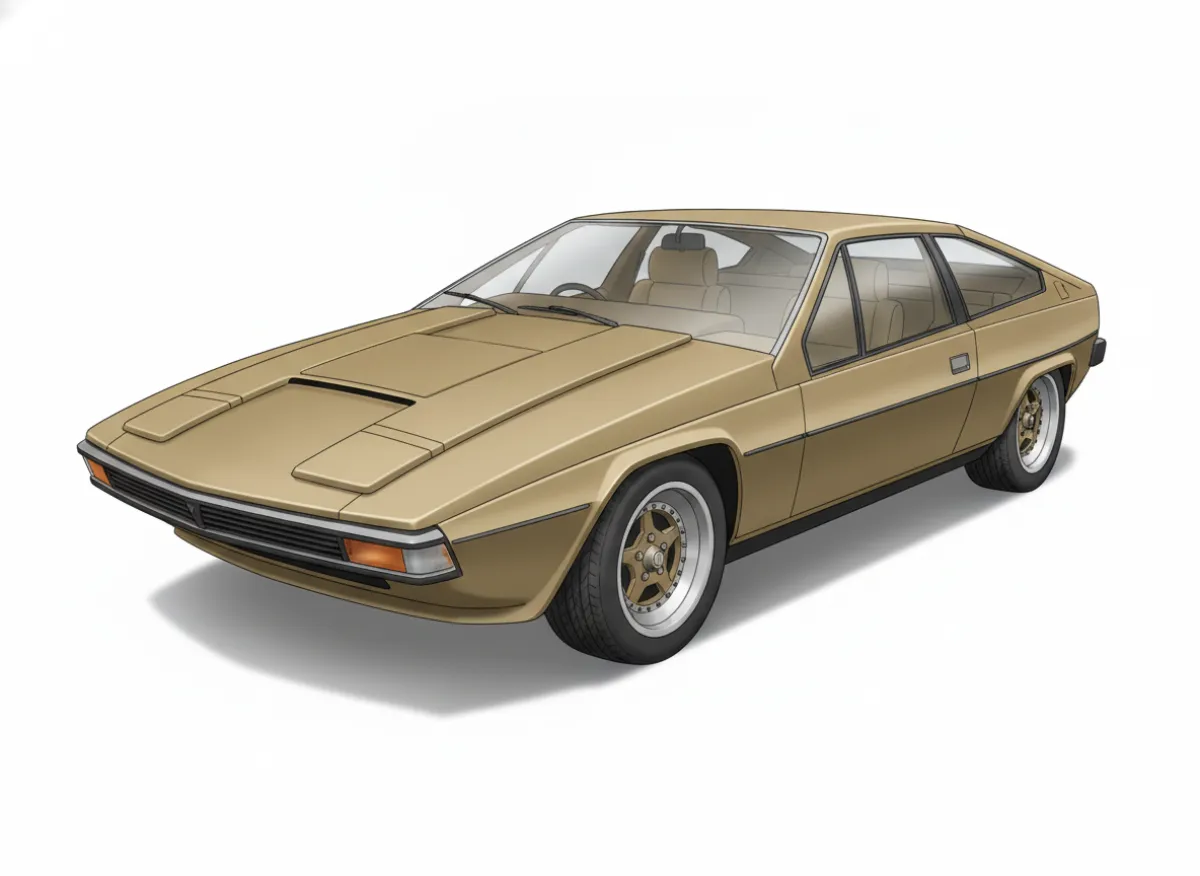
1980s
4 launched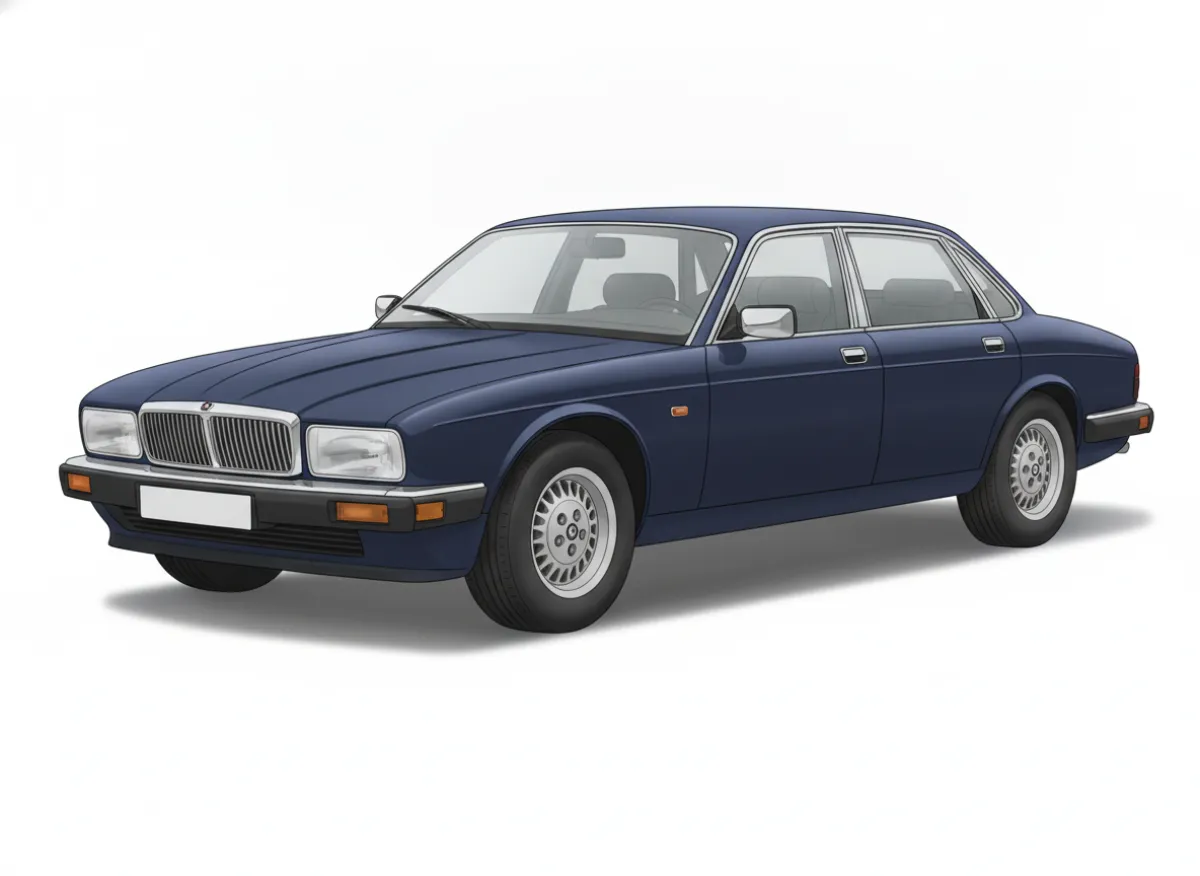
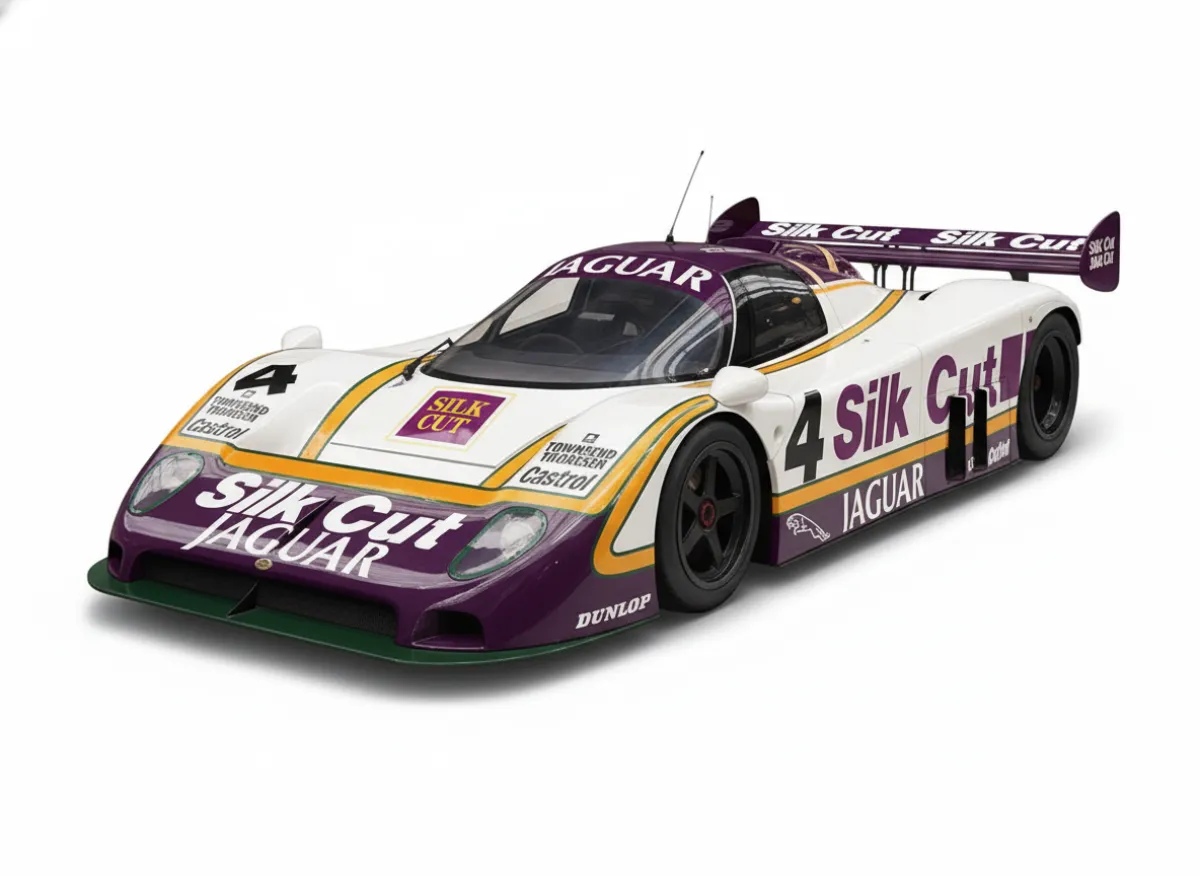
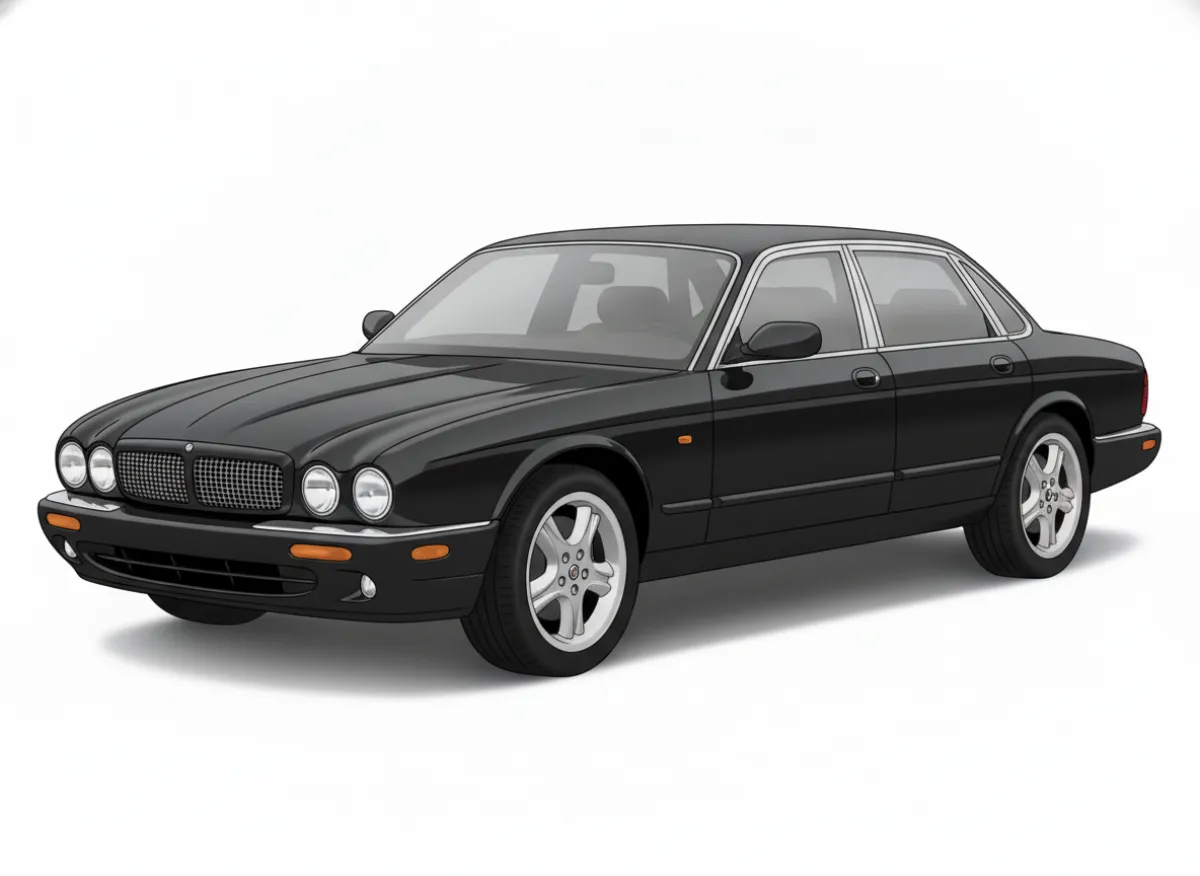
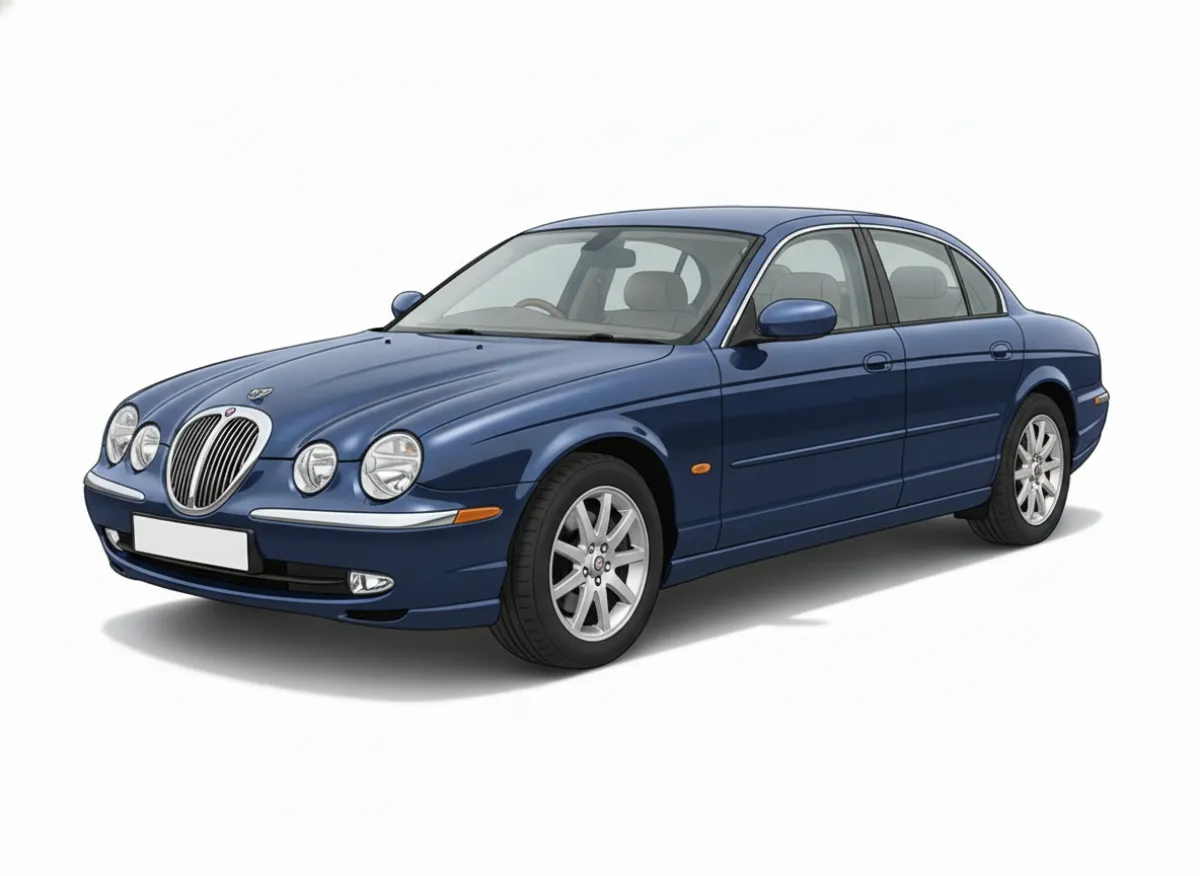
1990s
11 launched

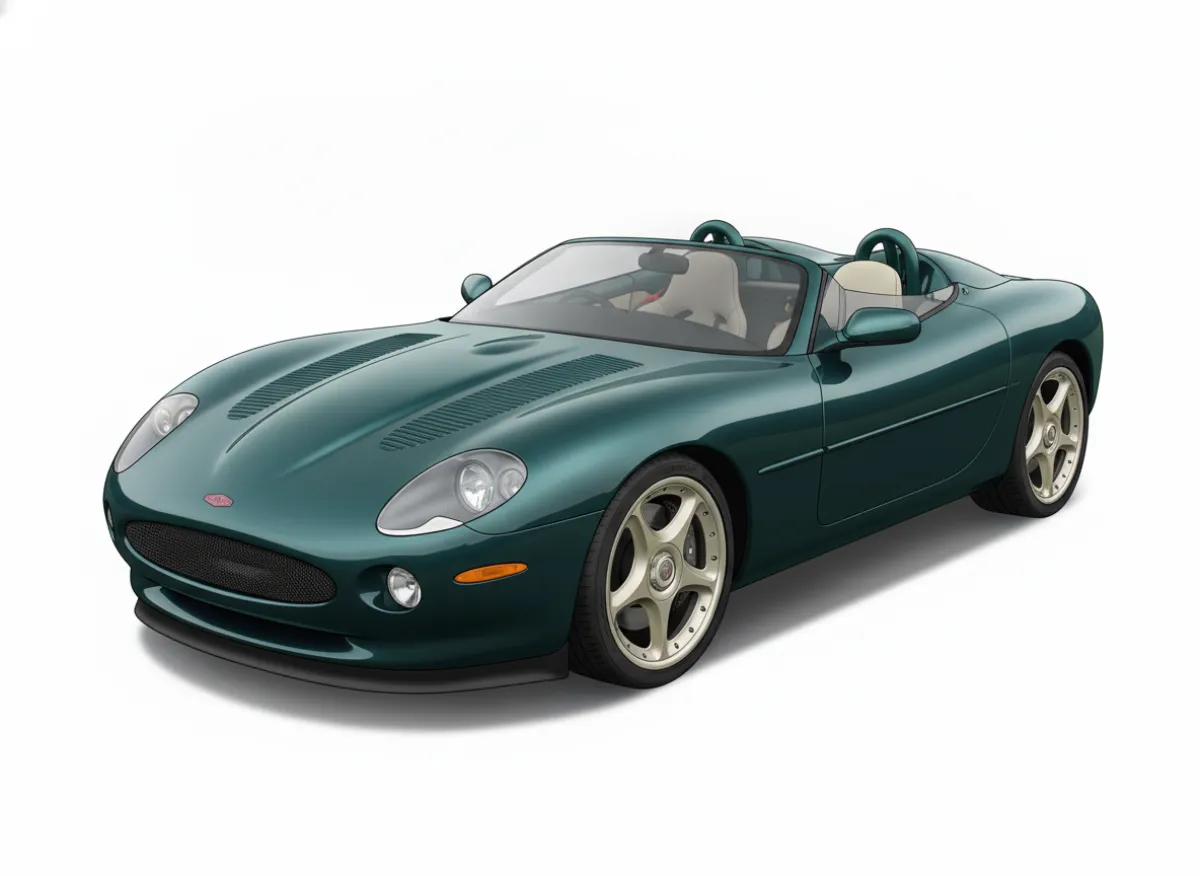
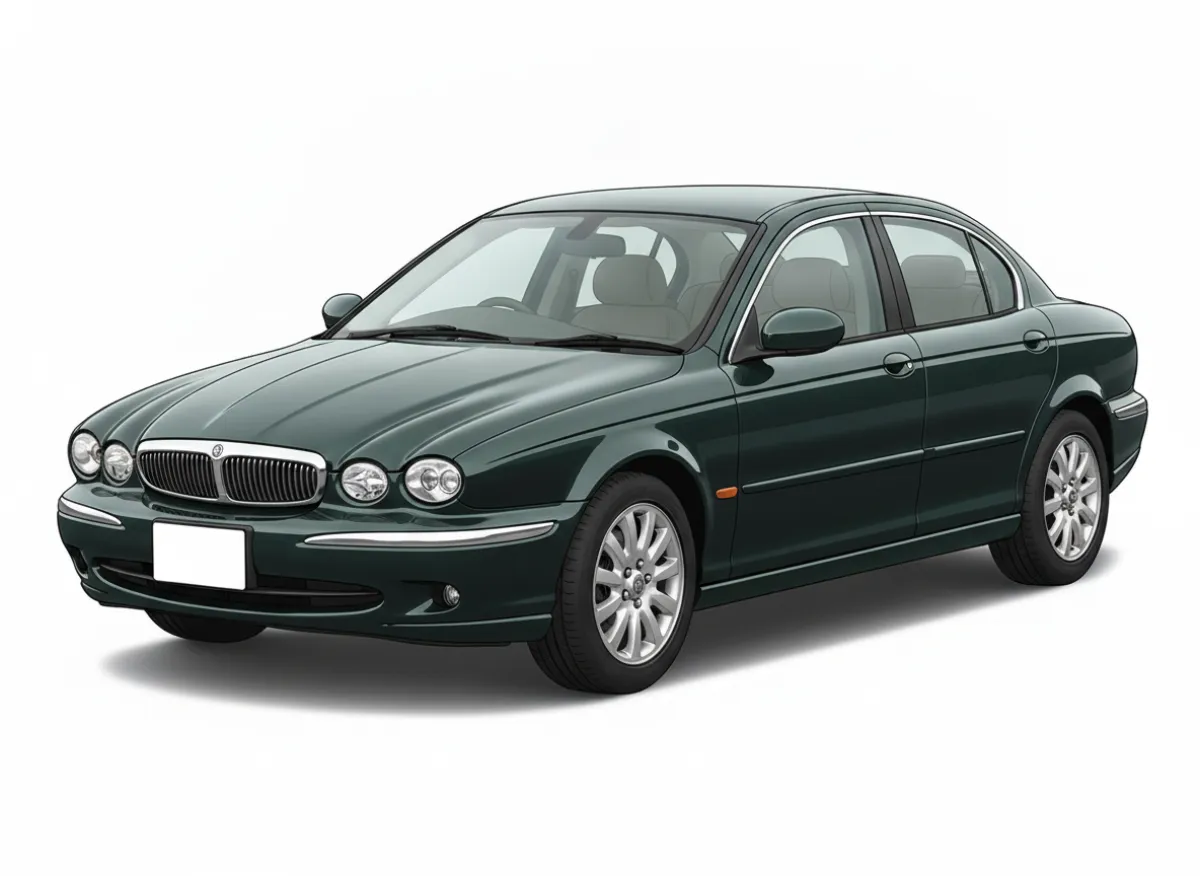
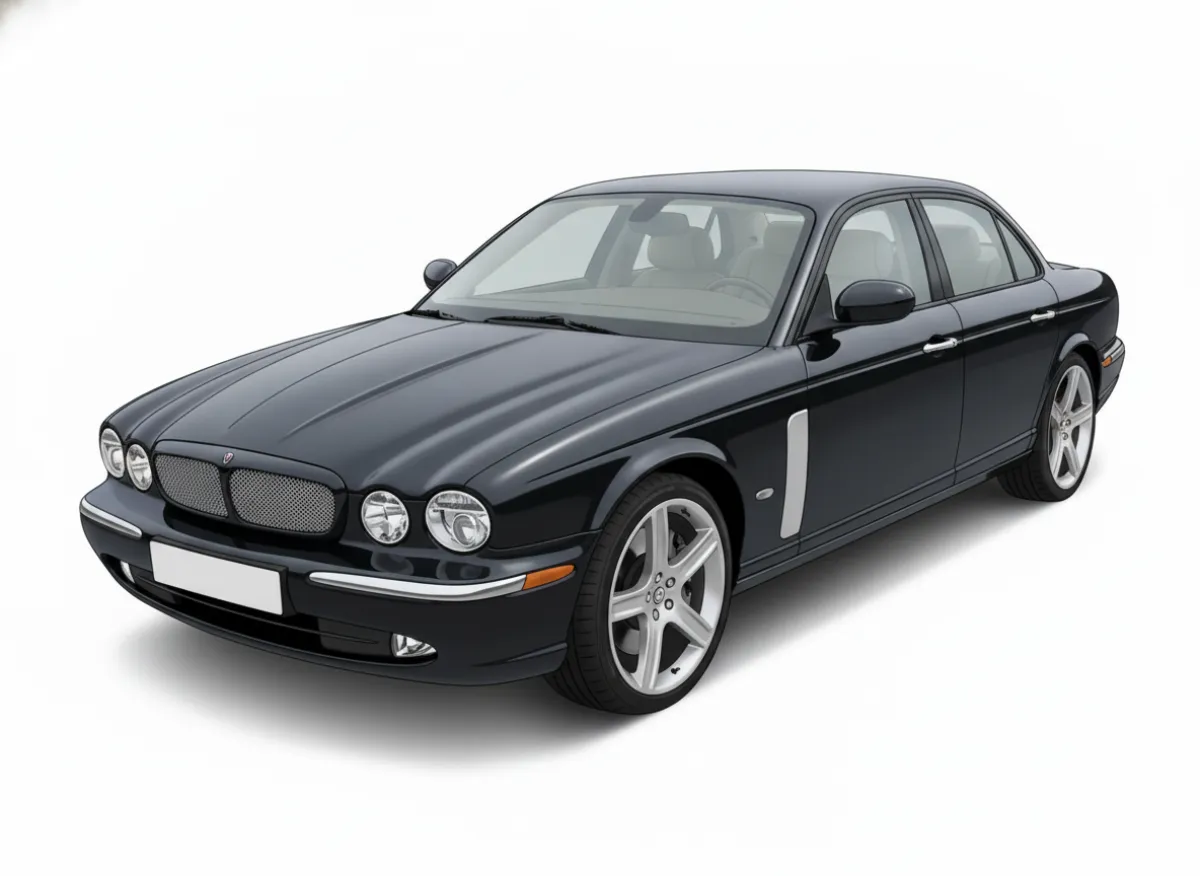
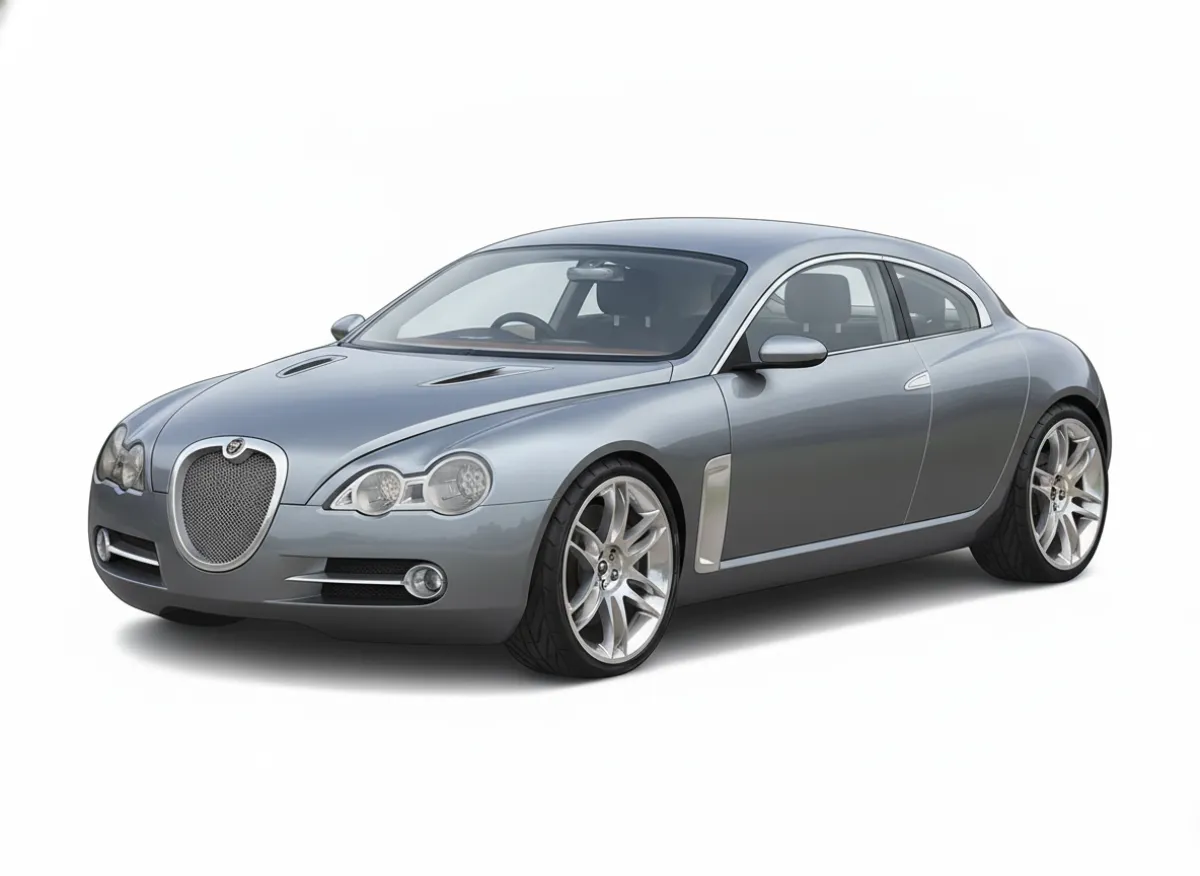
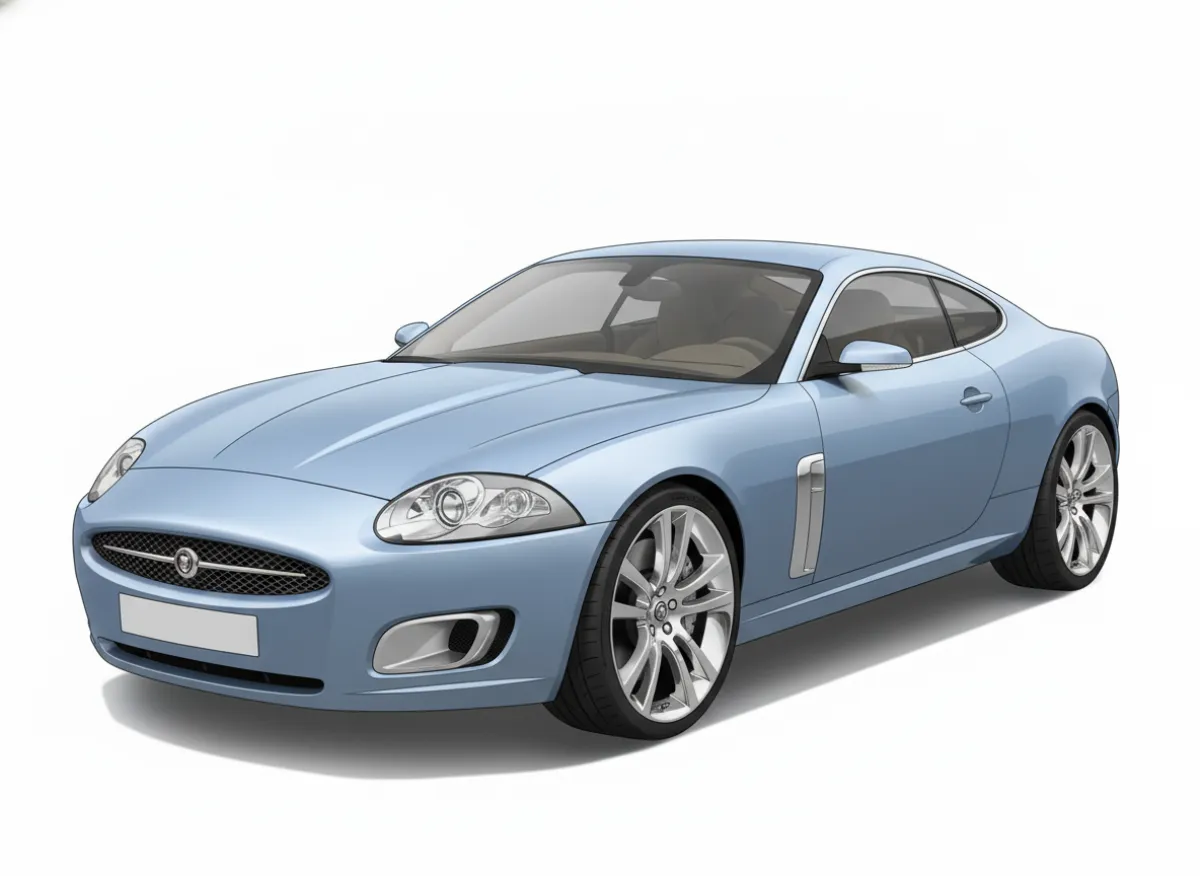
2000s
9 launched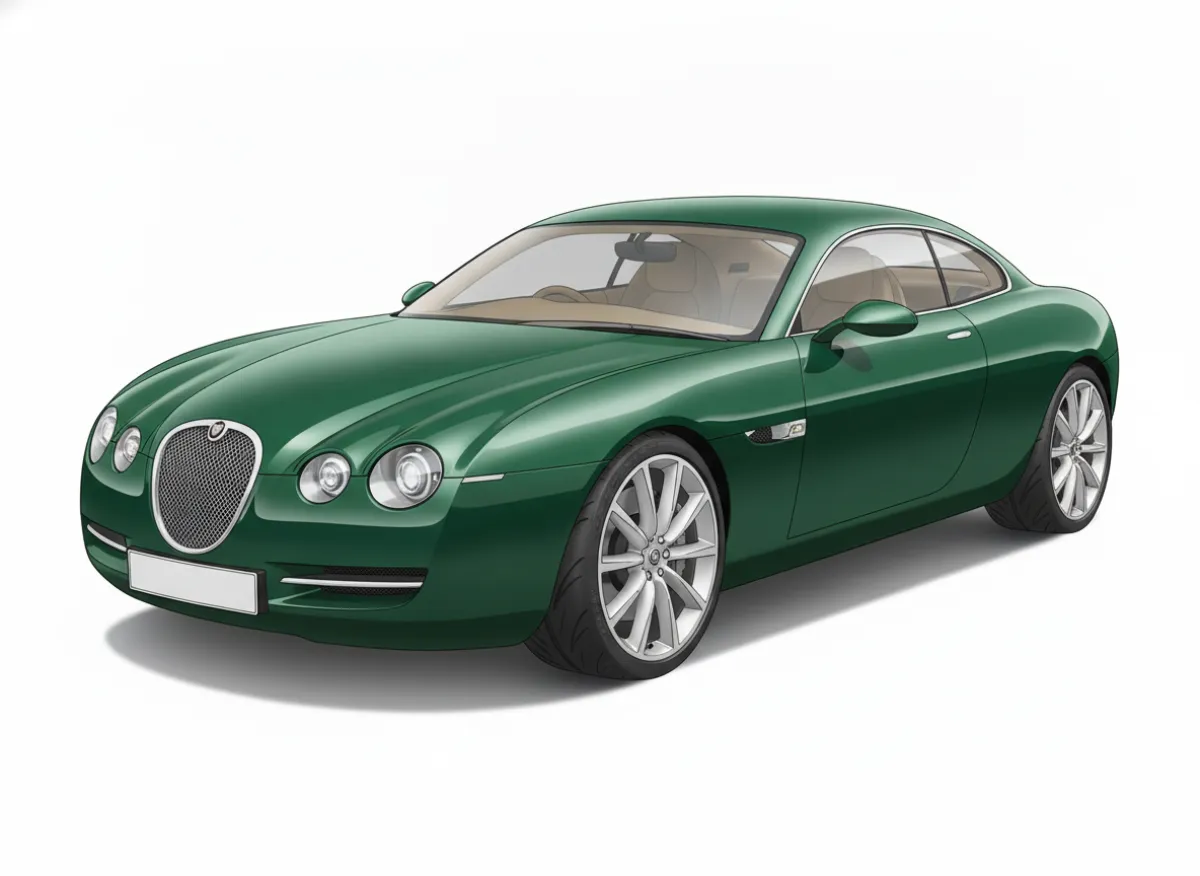
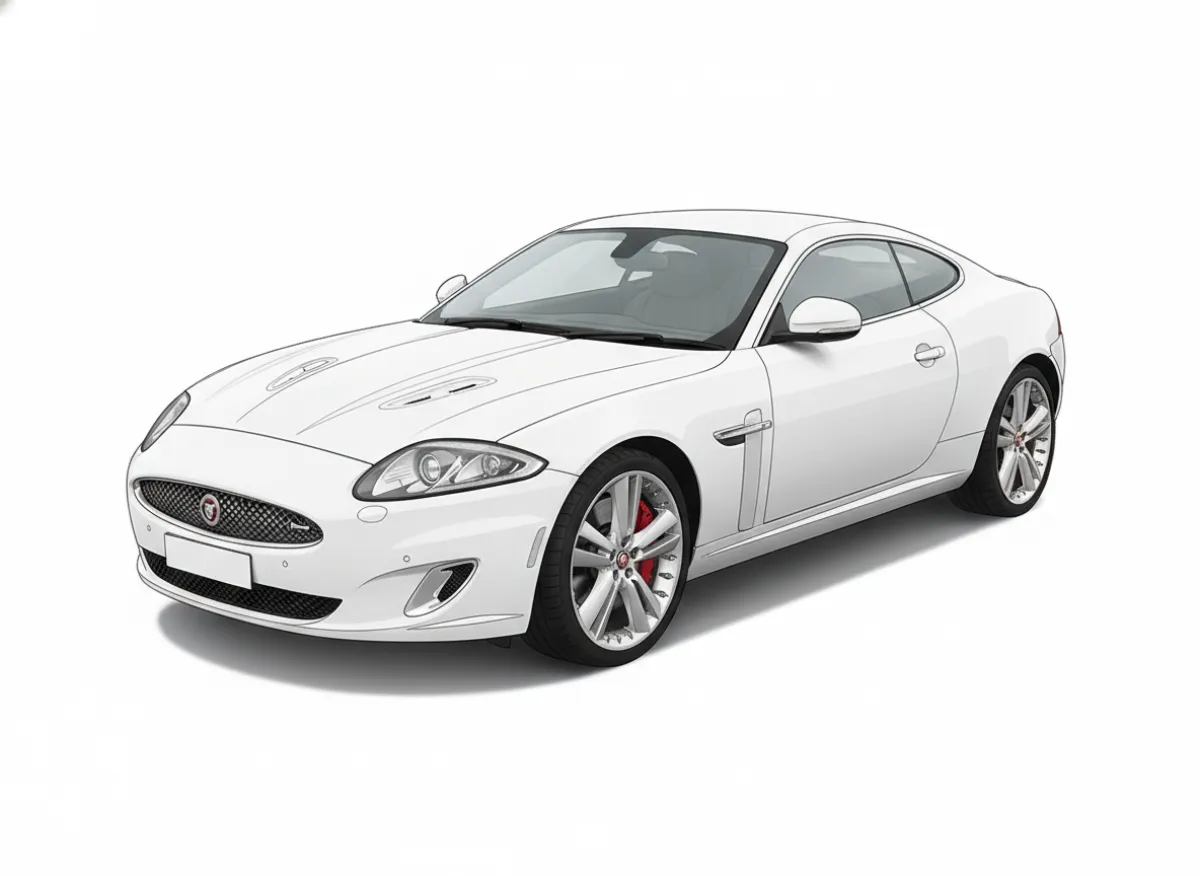
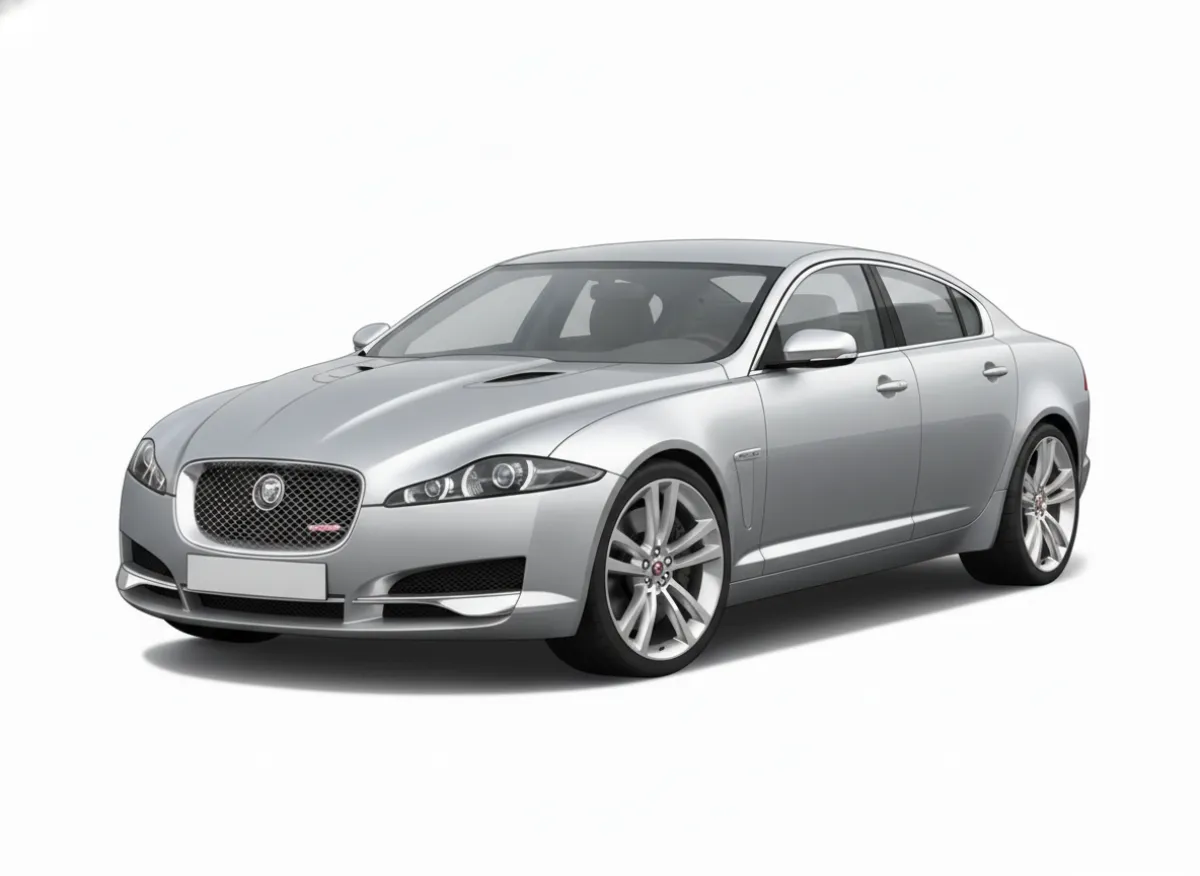
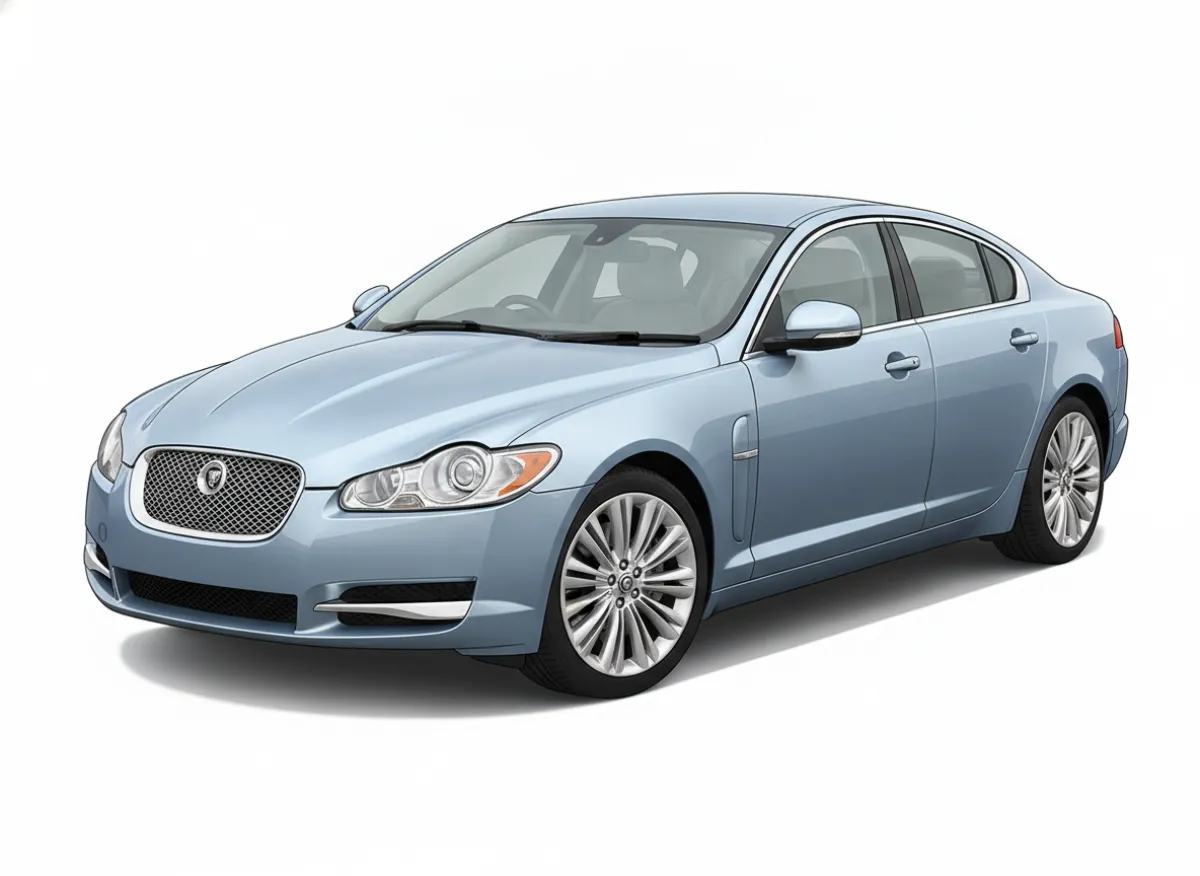
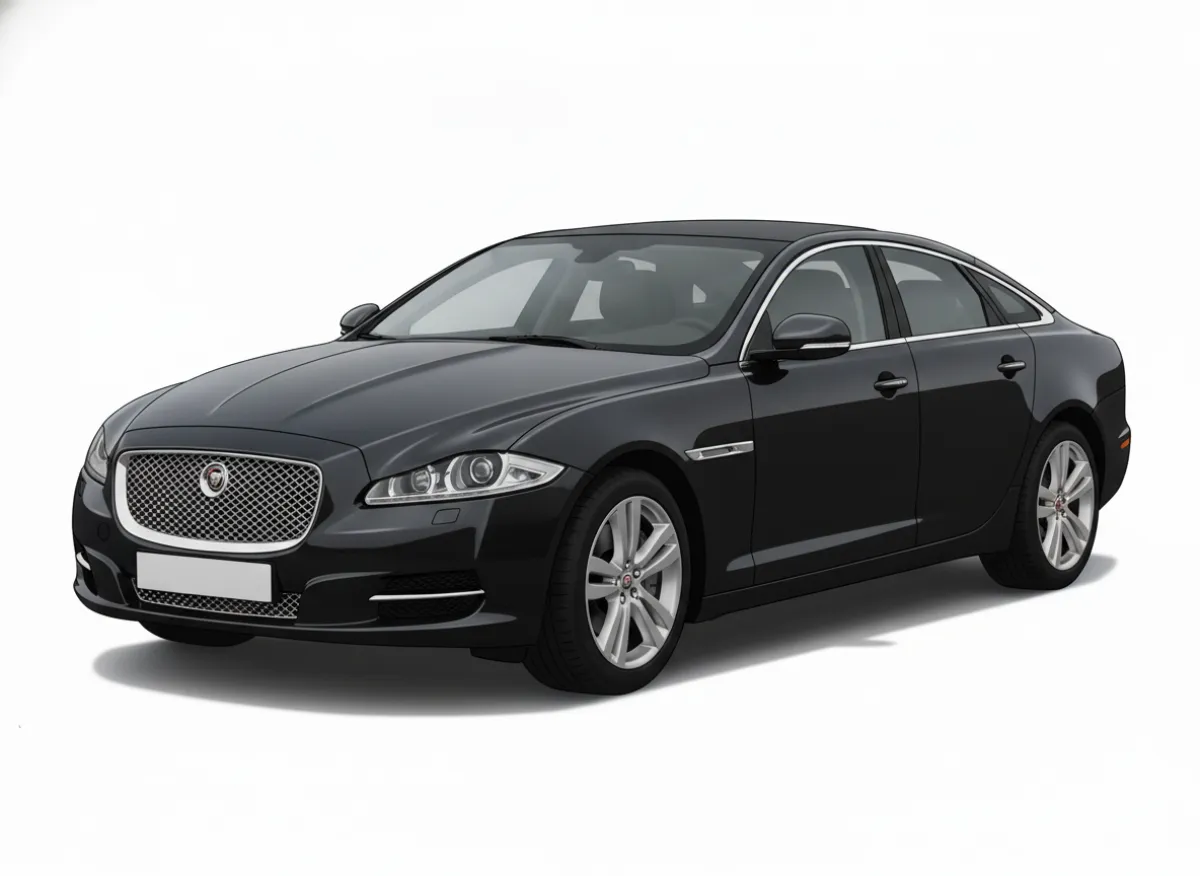
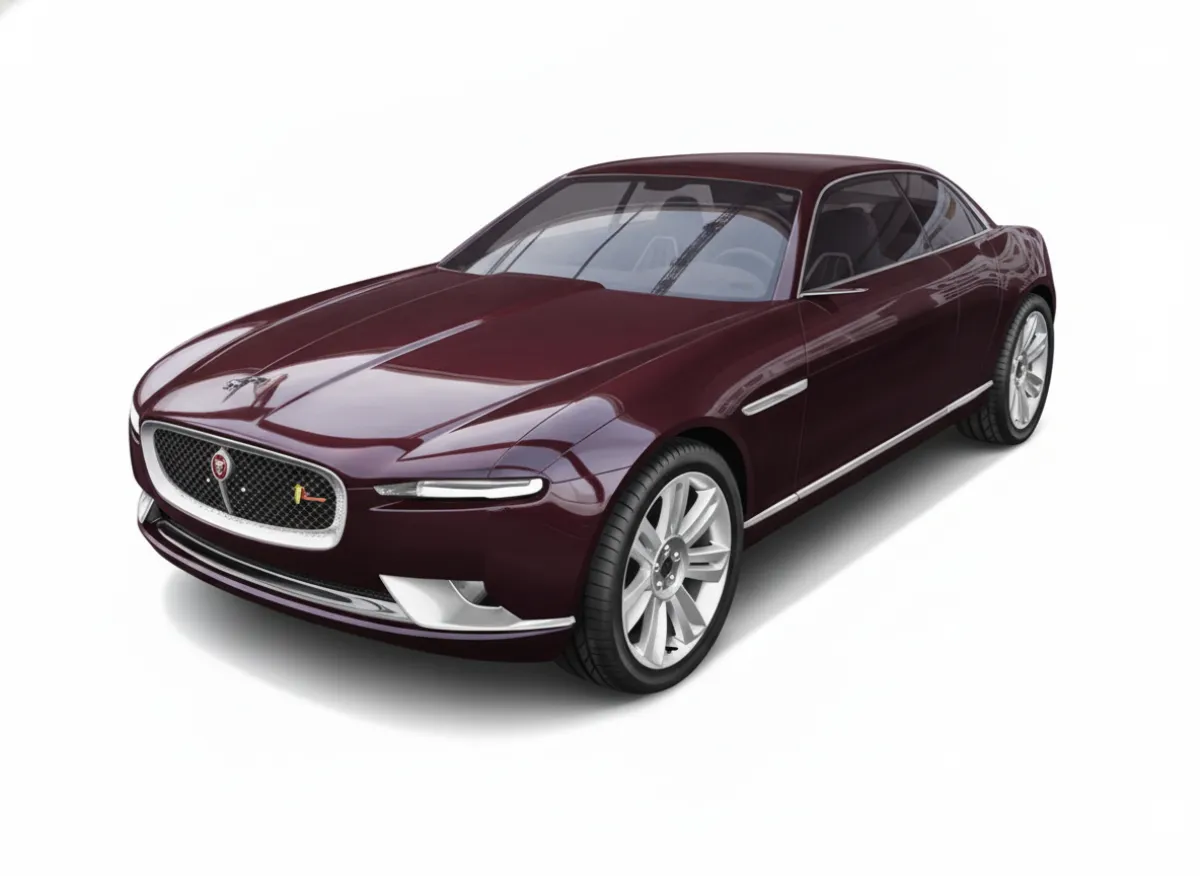
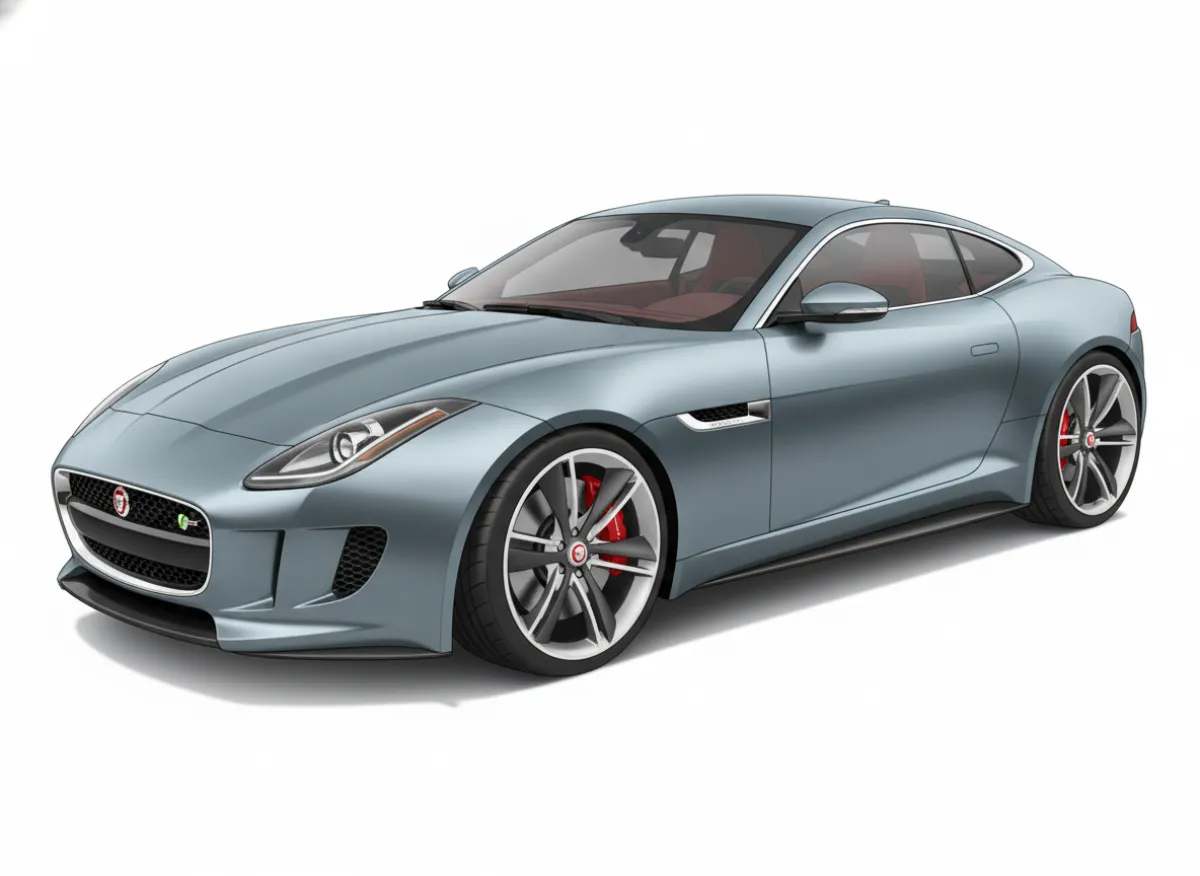
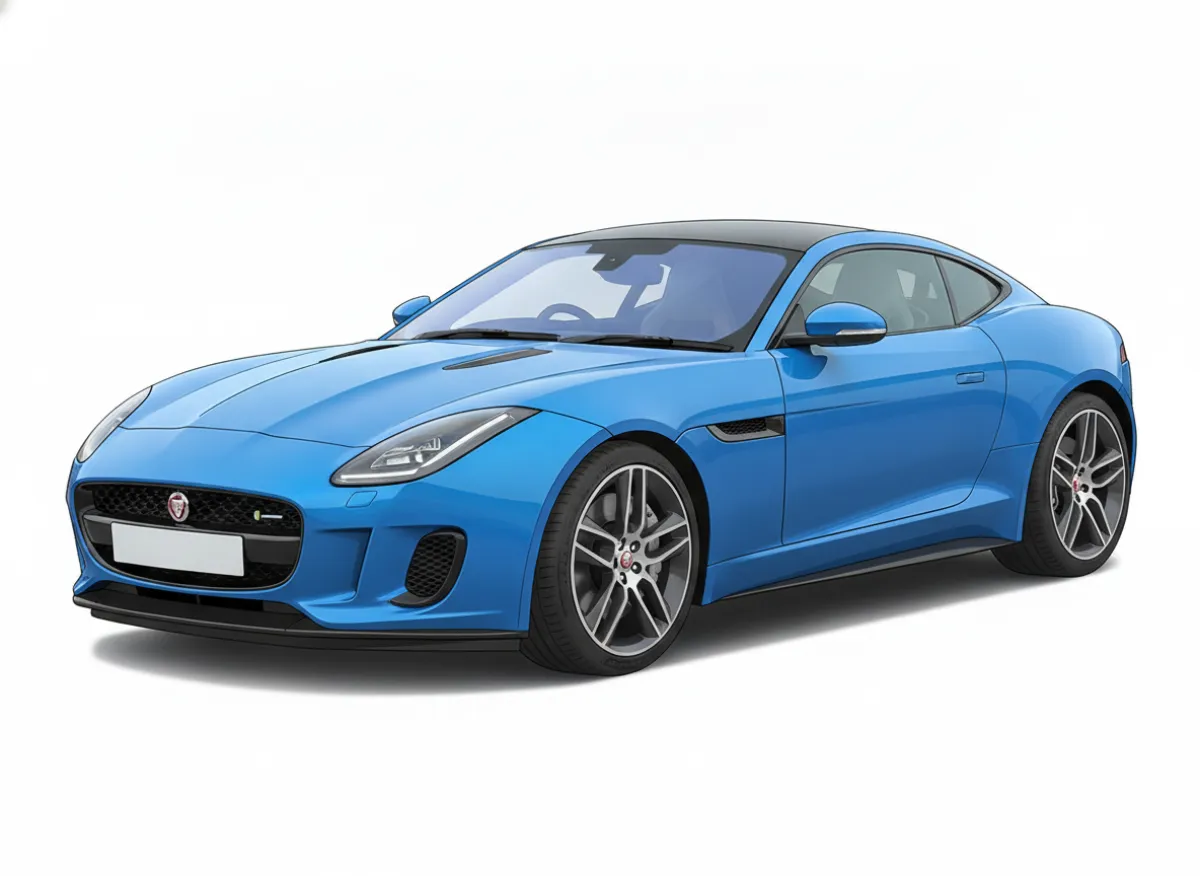
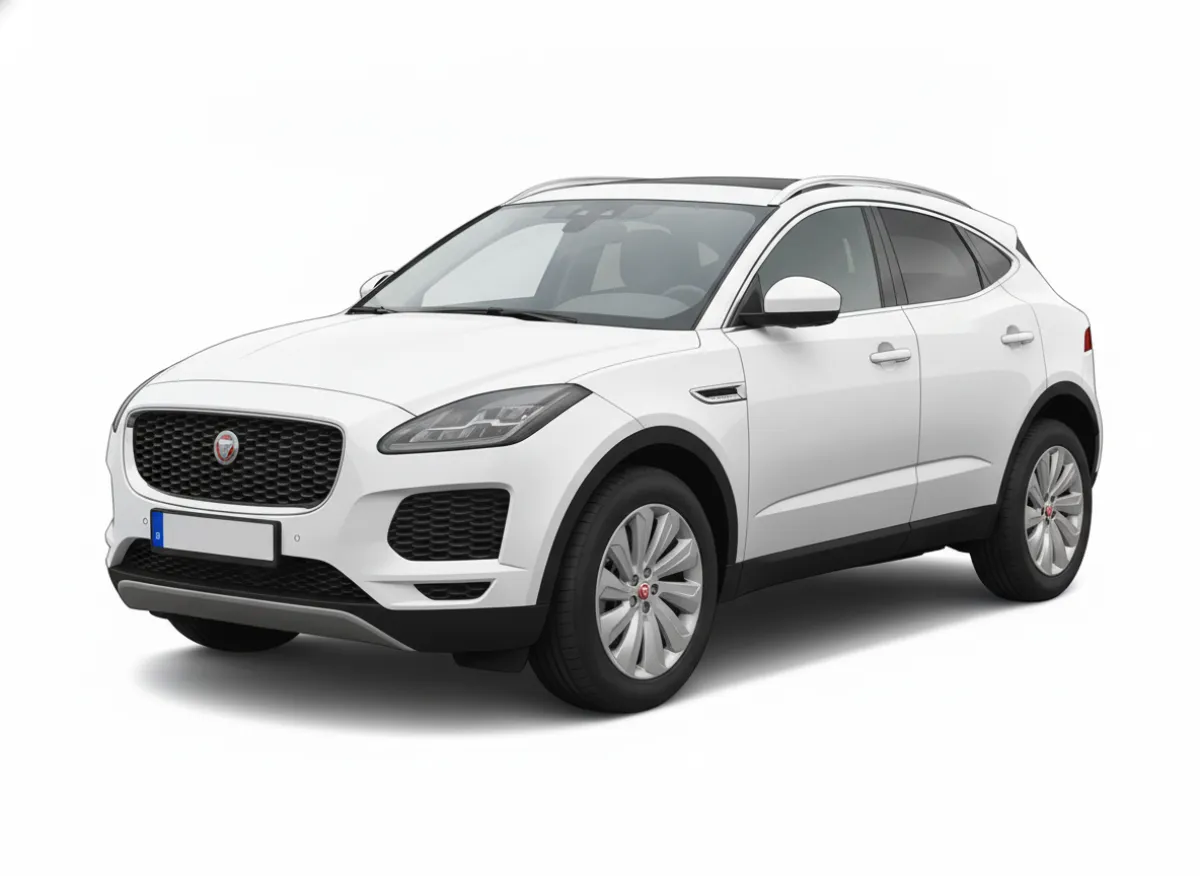
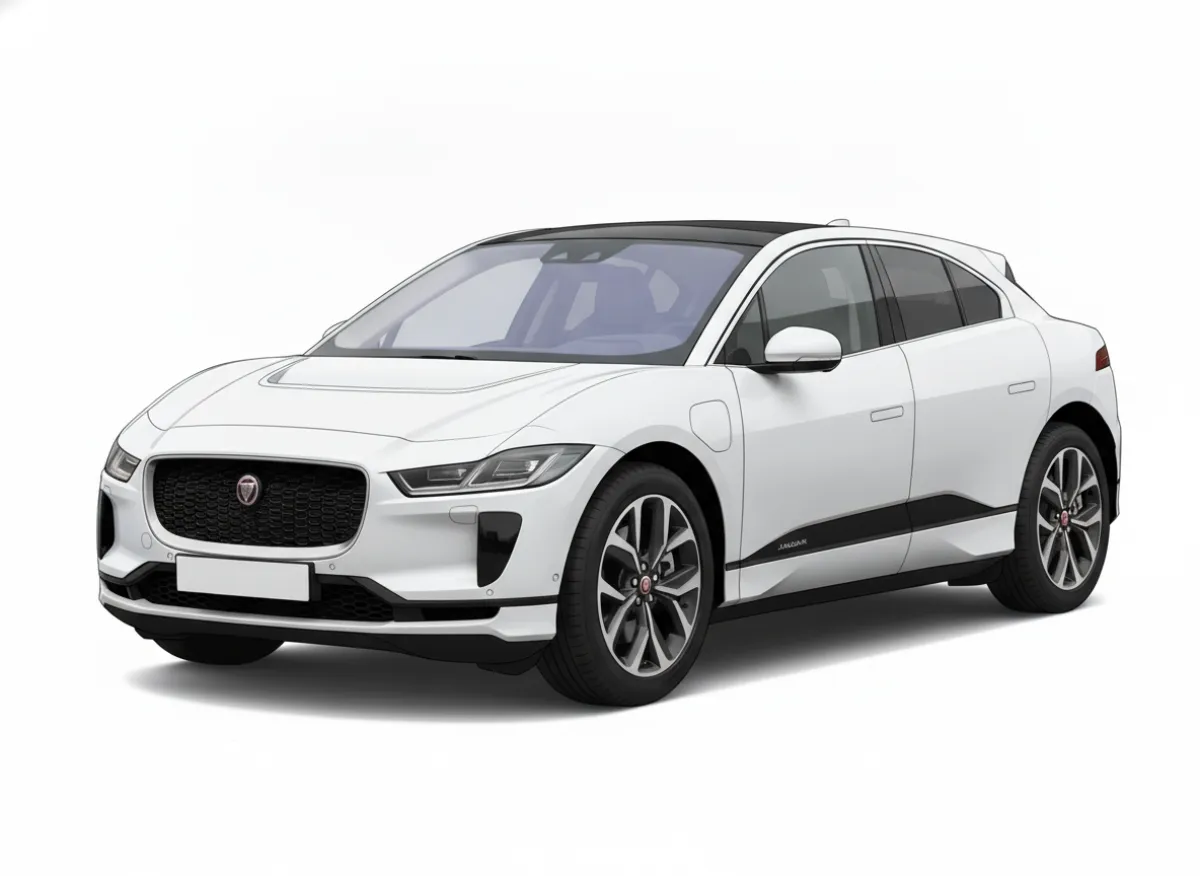
2010s
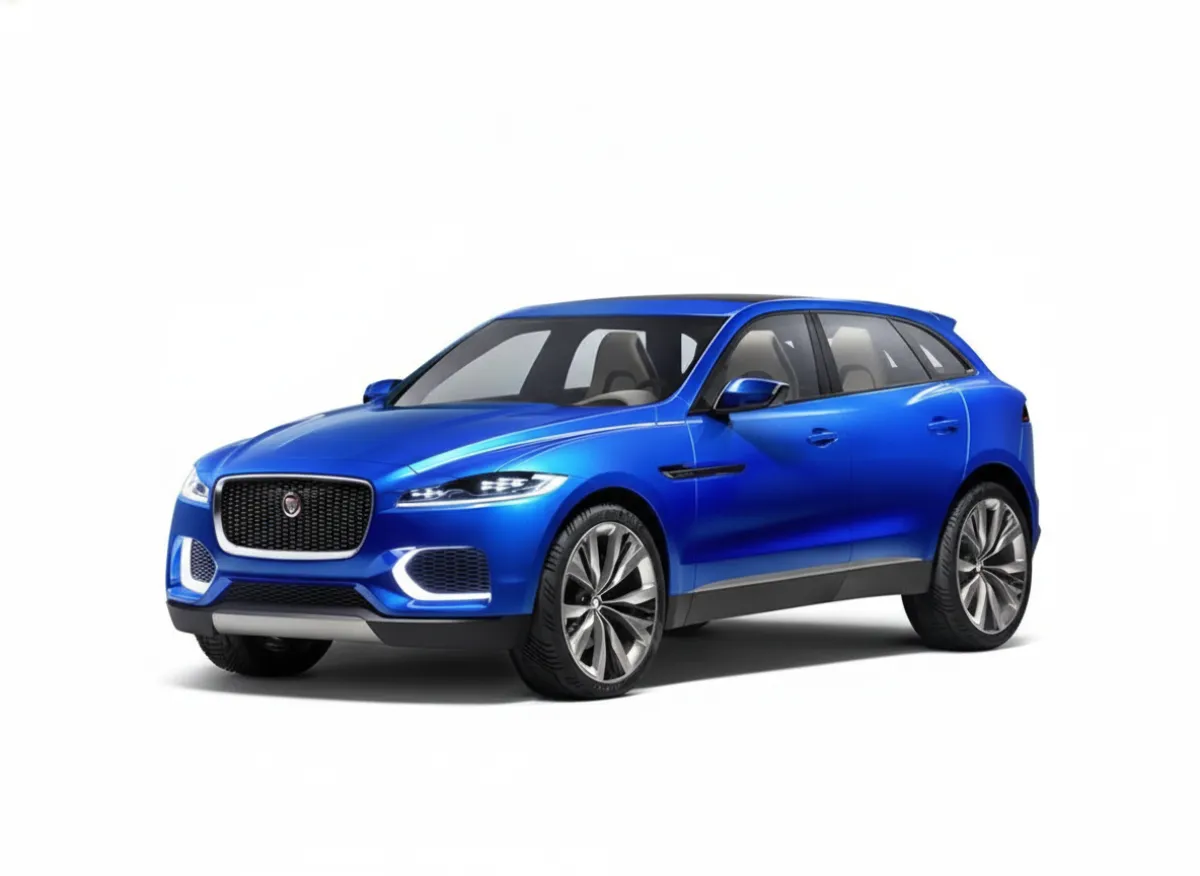
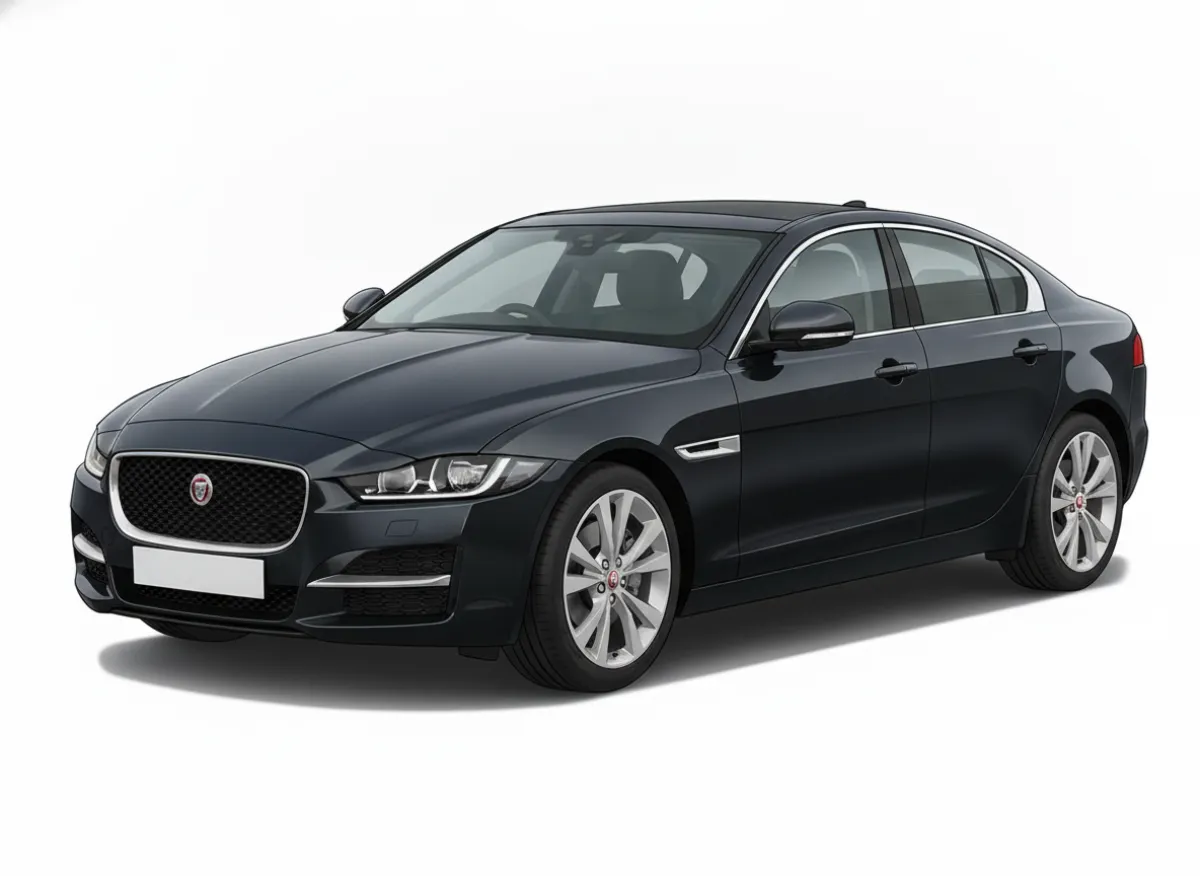
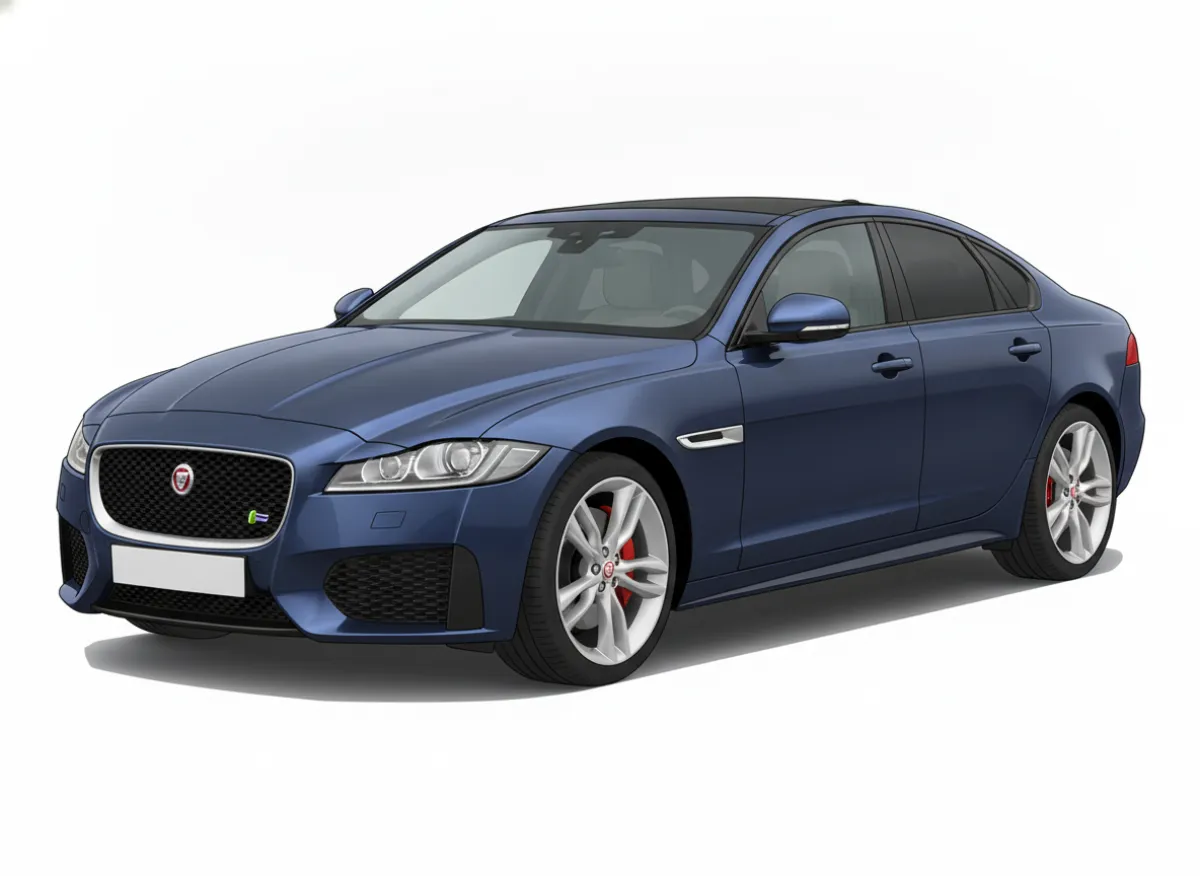
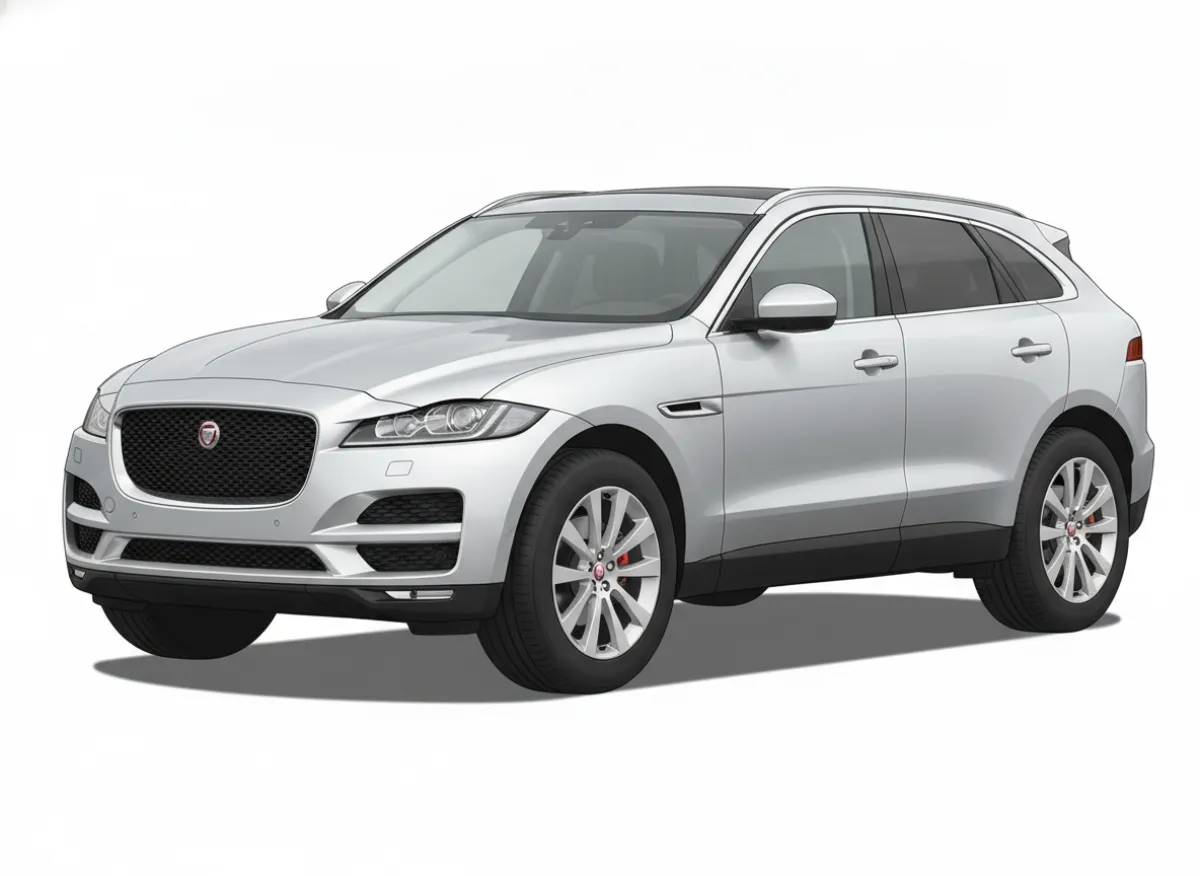
11 launched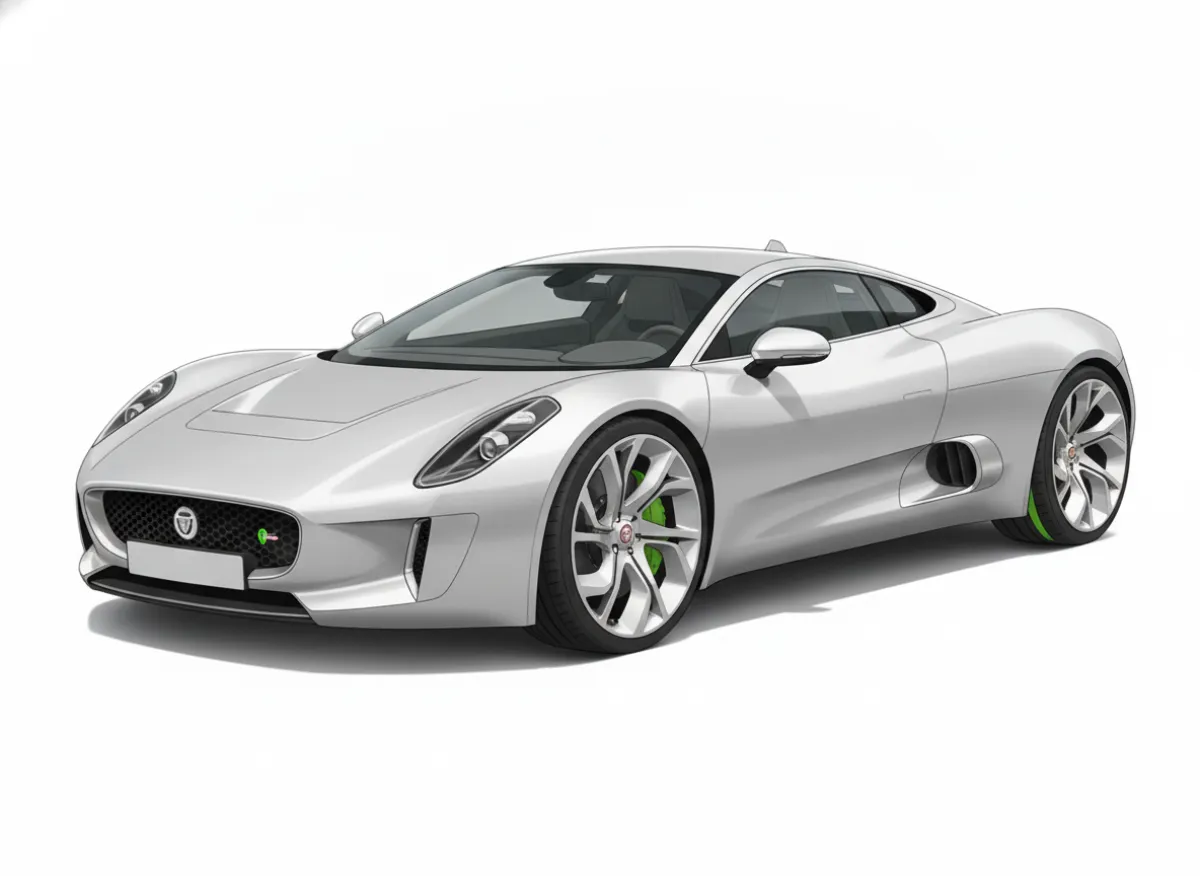
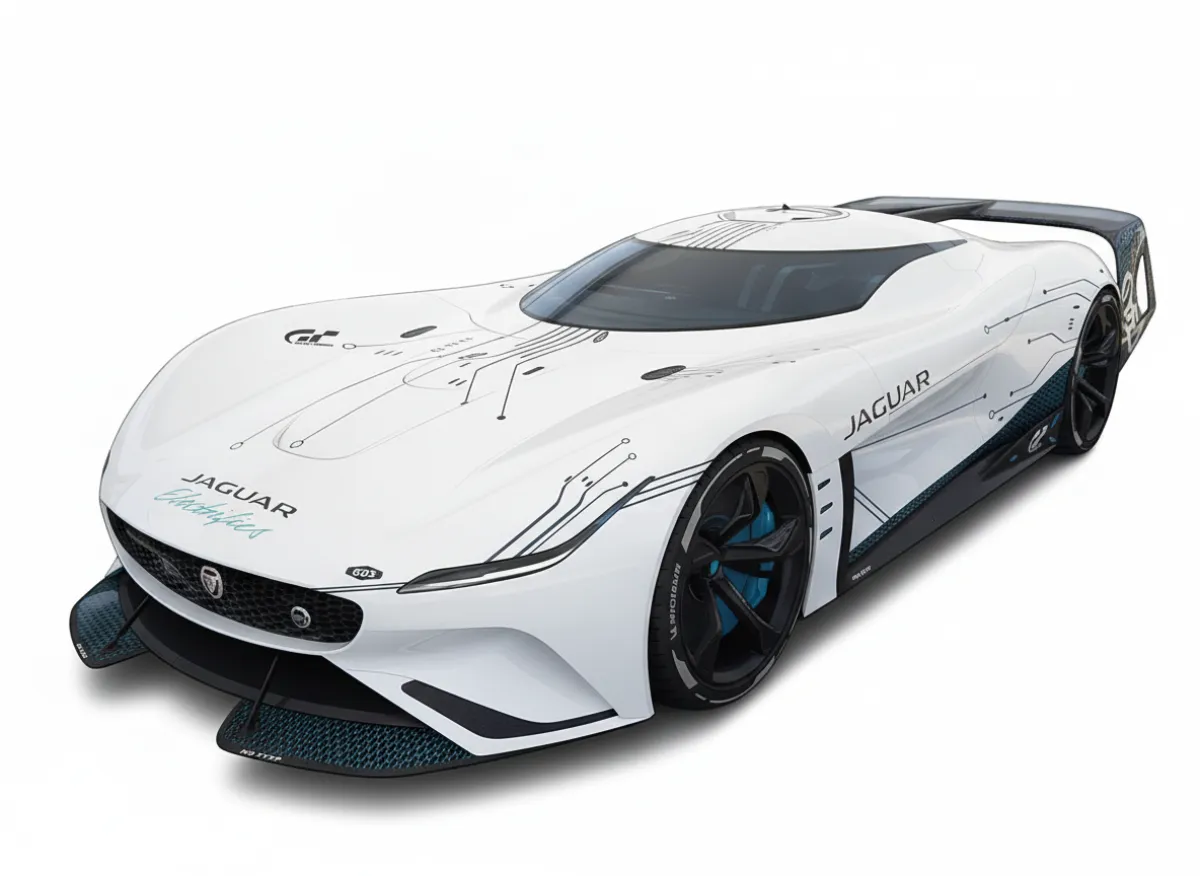
2020s
3 launched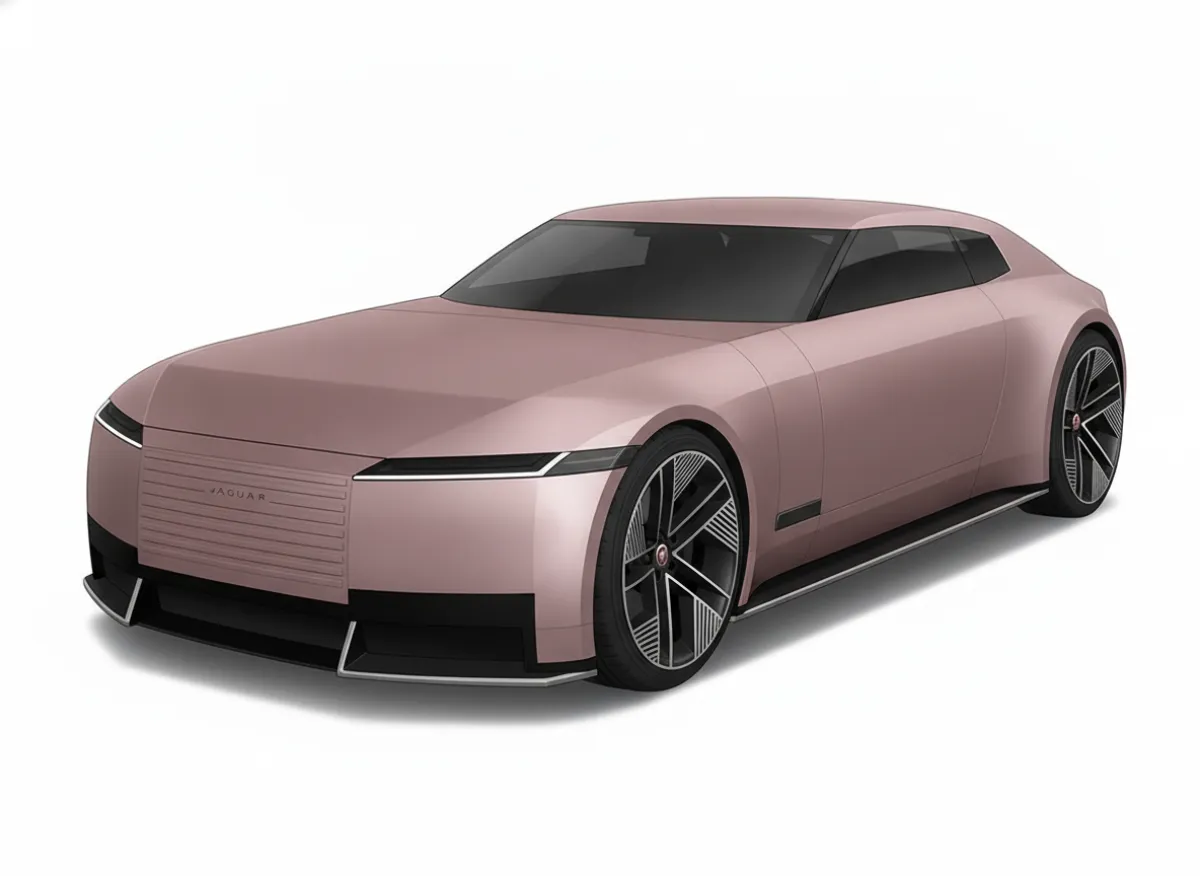
History
1922–1945
Swallow sidecars and SS Cars
The business began in 1922 as the Swallow Sidecar Company, set up by two motorcycle enthusiasts, William Lyons and William Walmsley. It moved from sidecars to coachbuilt bodies on other makers' chassis and then, in 1931, to its own low-slung SS1, built around Standard mechanical parts.
Walmsley sold out in 1934. Lyons formed SS Cars Limited to buy the Swallow business and raised fresh capital by selling shares to the public. In September 1935 the name Jaguar appeared for the first time, on an SS 2½-litre sports saloon, alongside the open two-seat SS Jaguar 100. A Jaguar North America fact sheet puts output from 1936 to 1940 at 14,272 cars.
1945–1966
Jaguar Cars, the XK engine and Le Mans
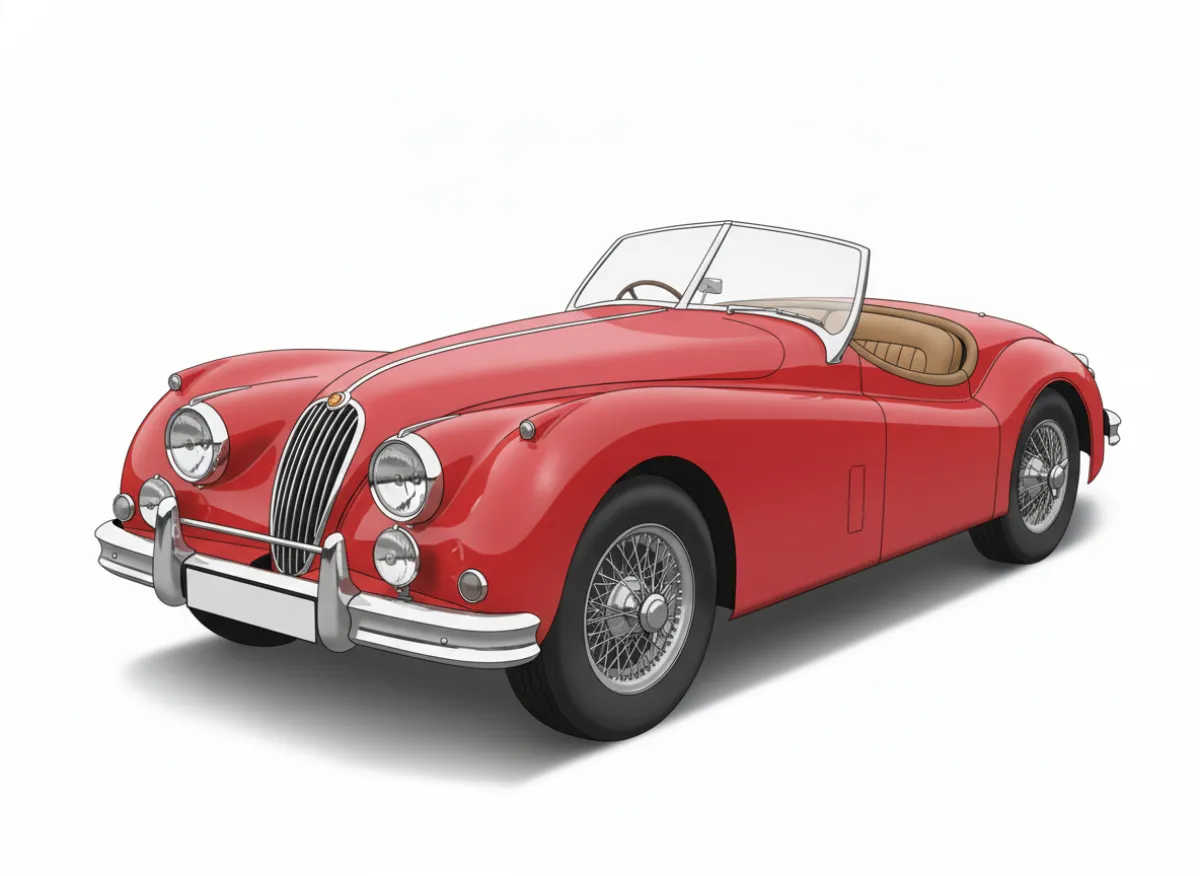
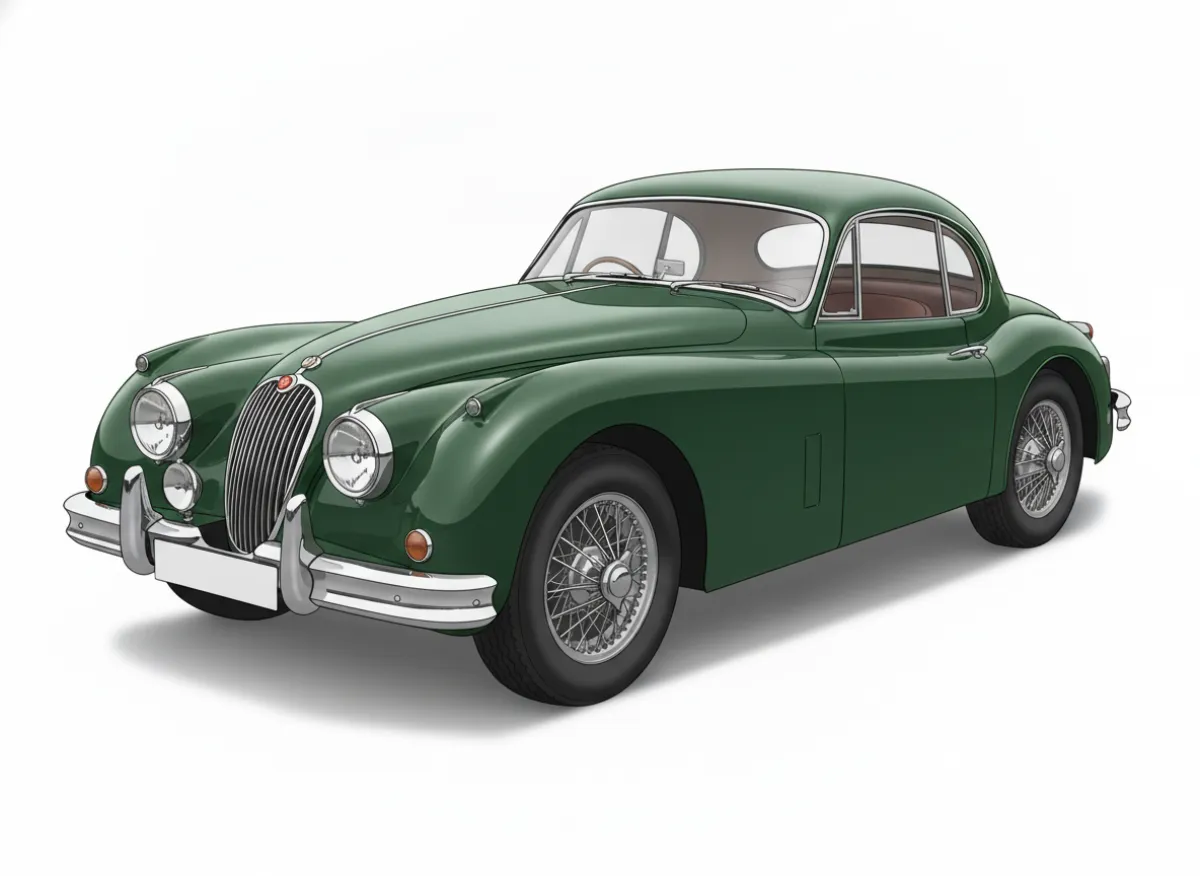
On 23 March 1945 shareholders agreed to rename the company Jaguar Cars Limited; Lyons said the new name could not be confused with anything foreign. Steel was rationed and export came first, but the firm had spent its wartime fire-watching hours designing a twin-cam straight six. That XK engine arrived in the XK120 of 1948 and stayed in production in the XJ6 until 1992.
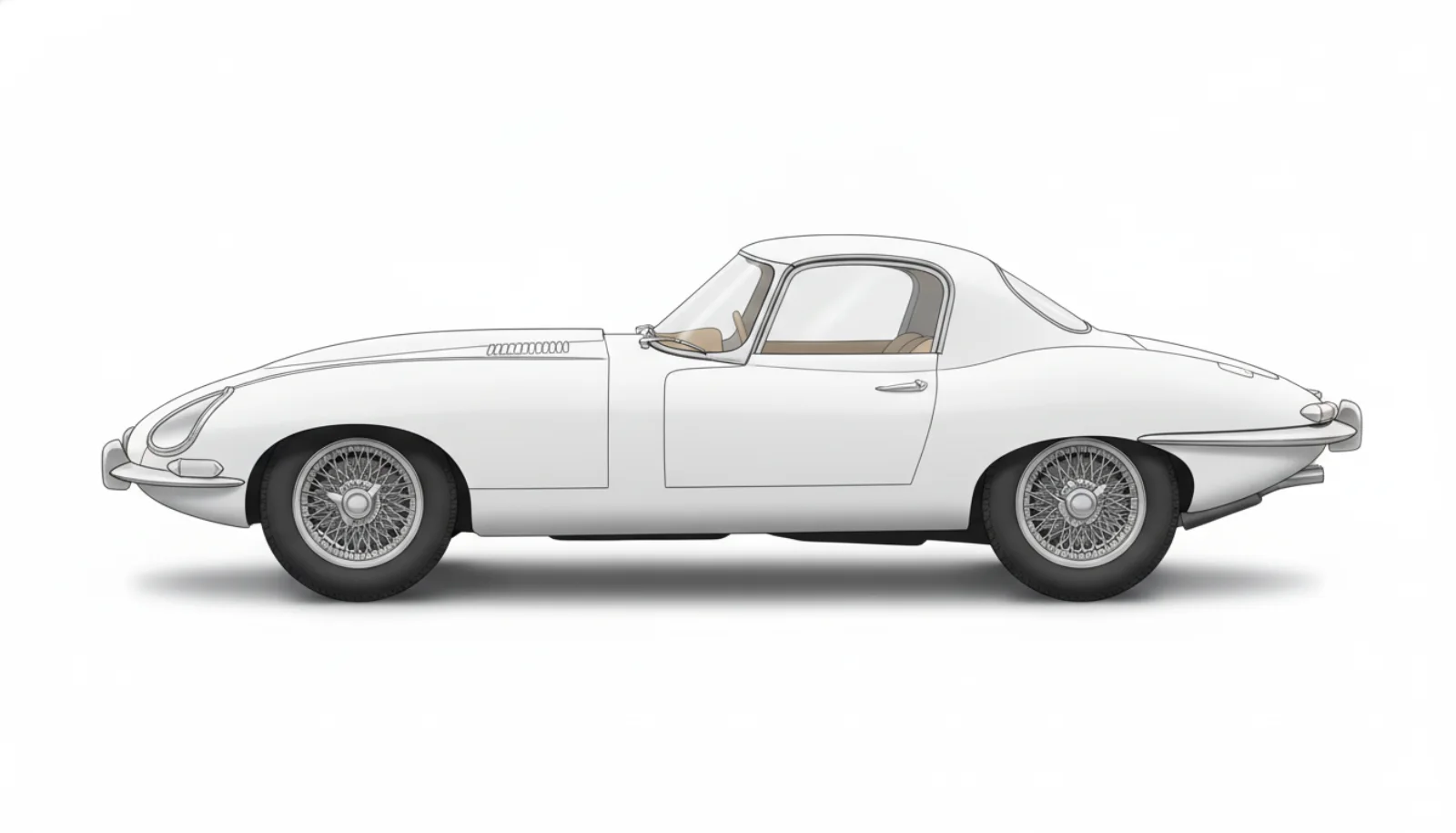
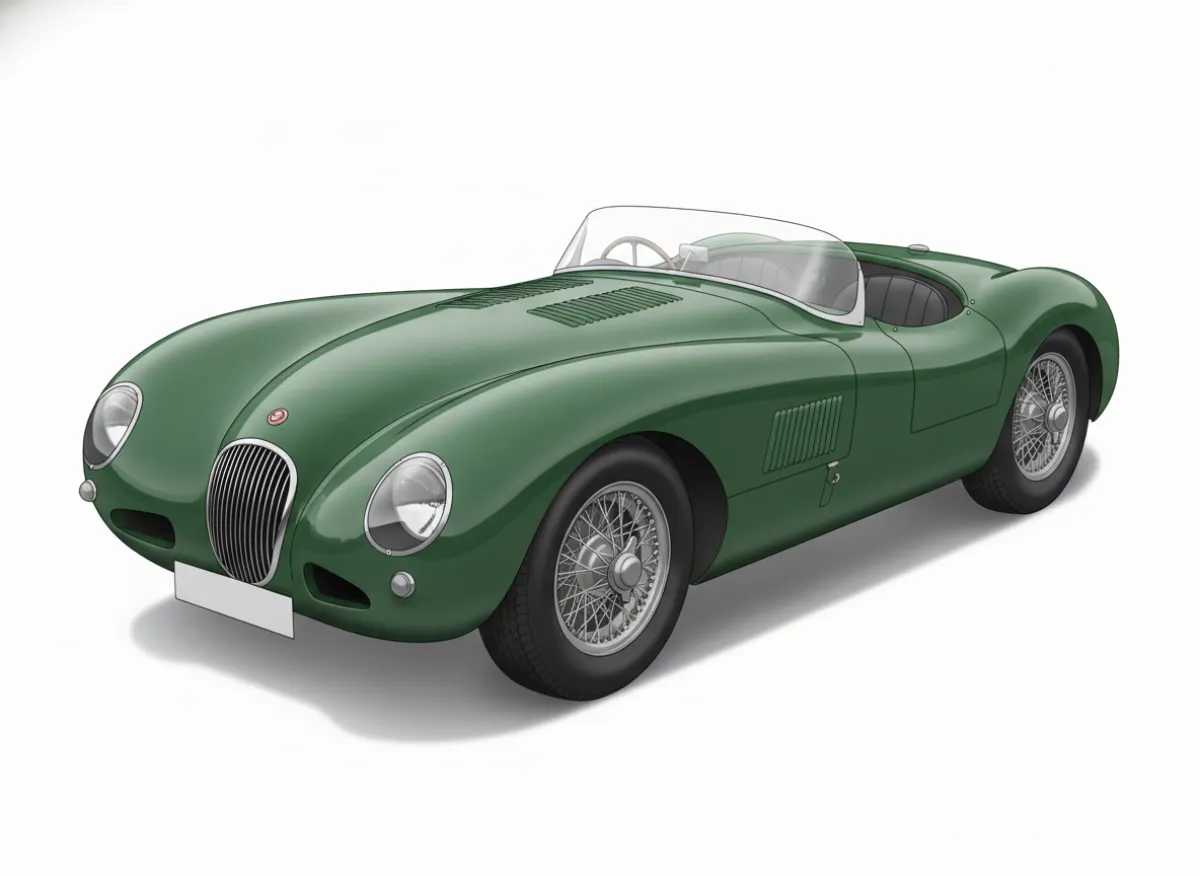
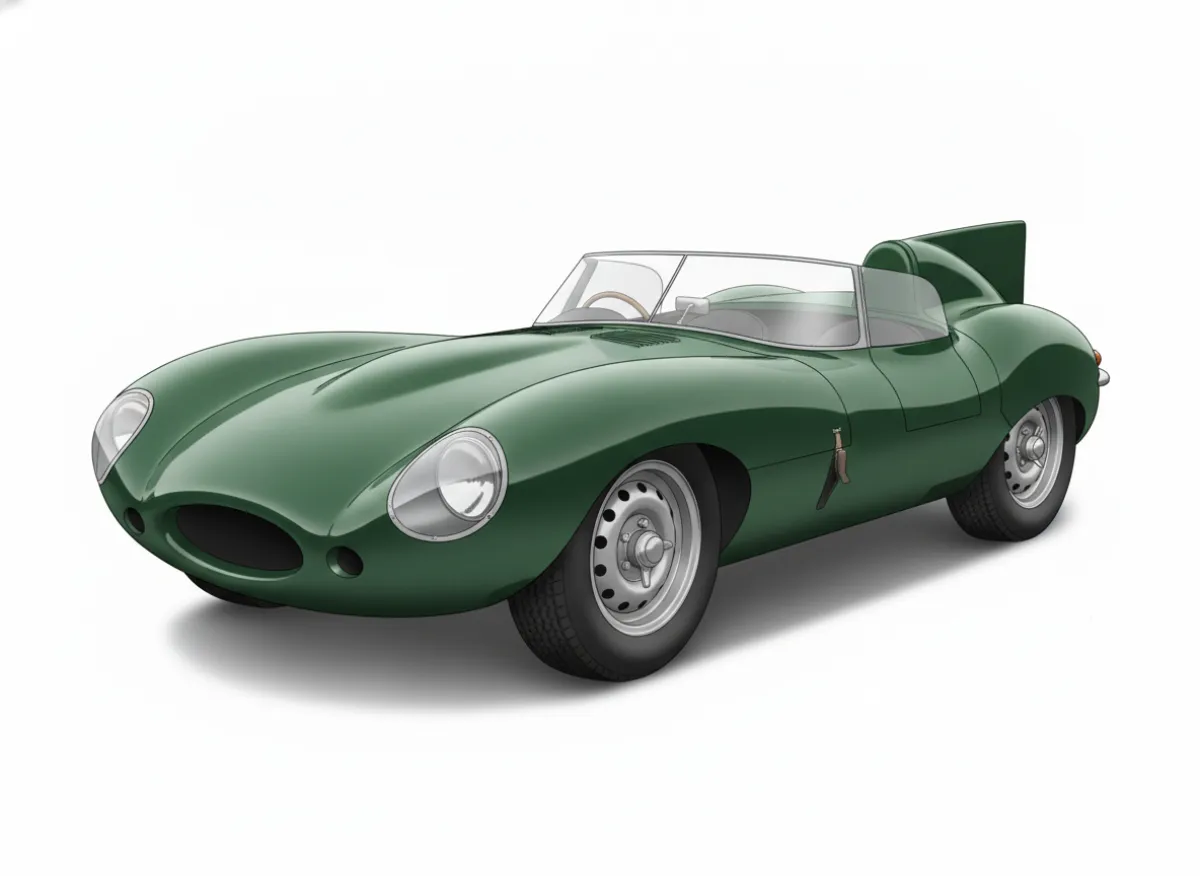
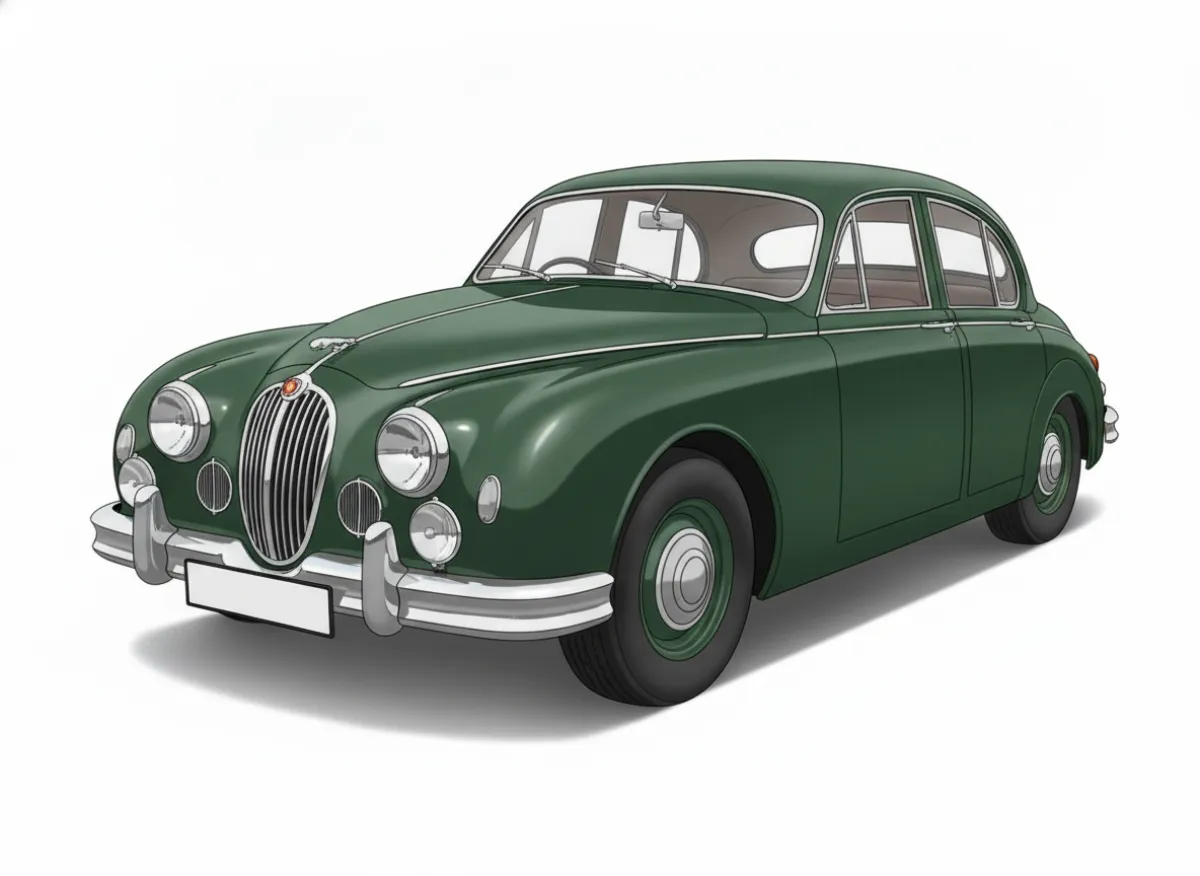
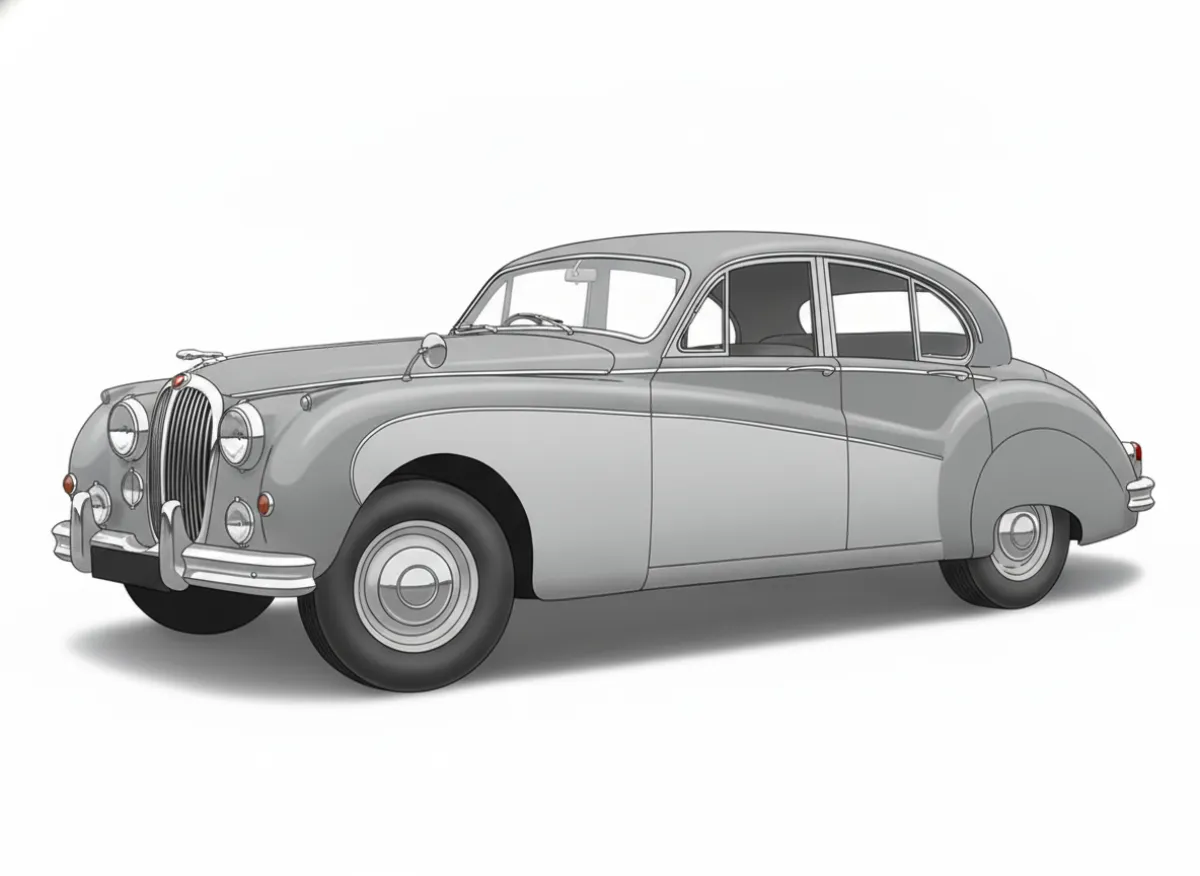
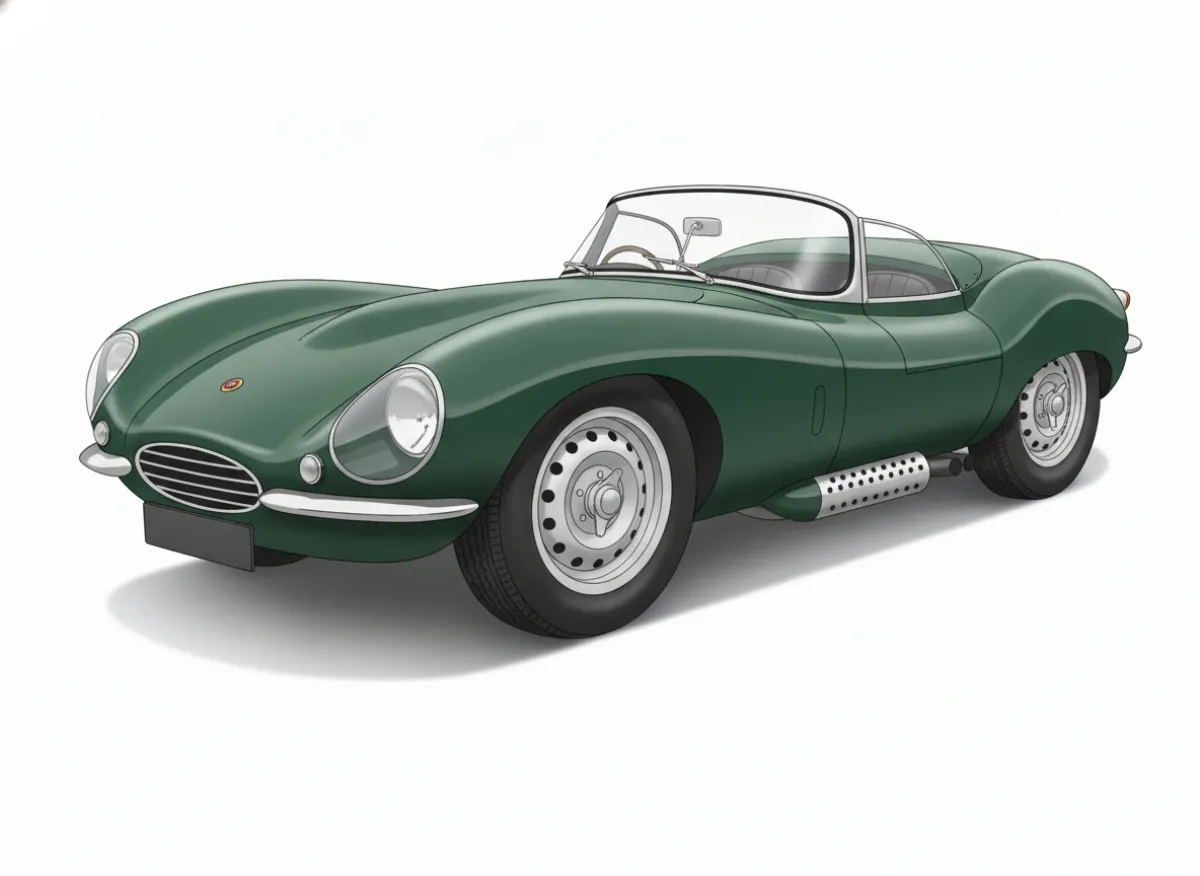
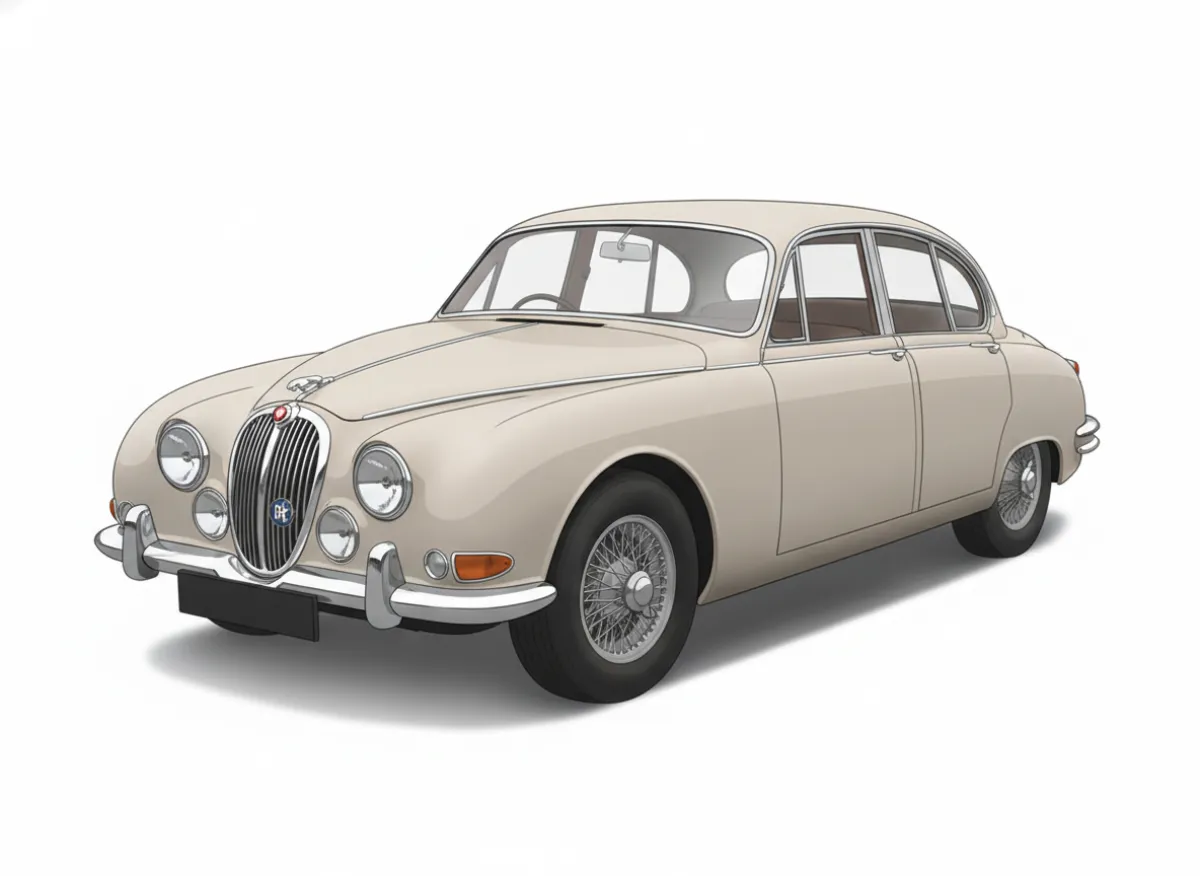
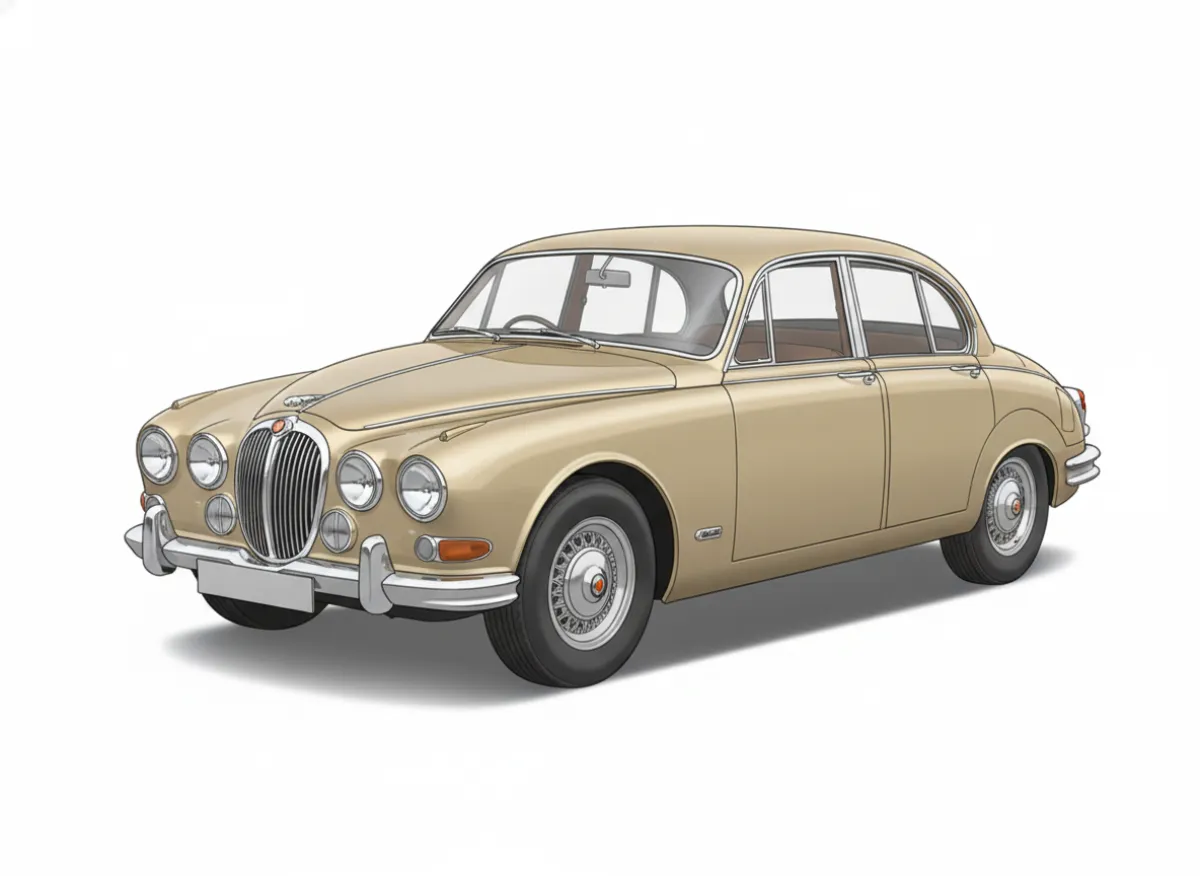
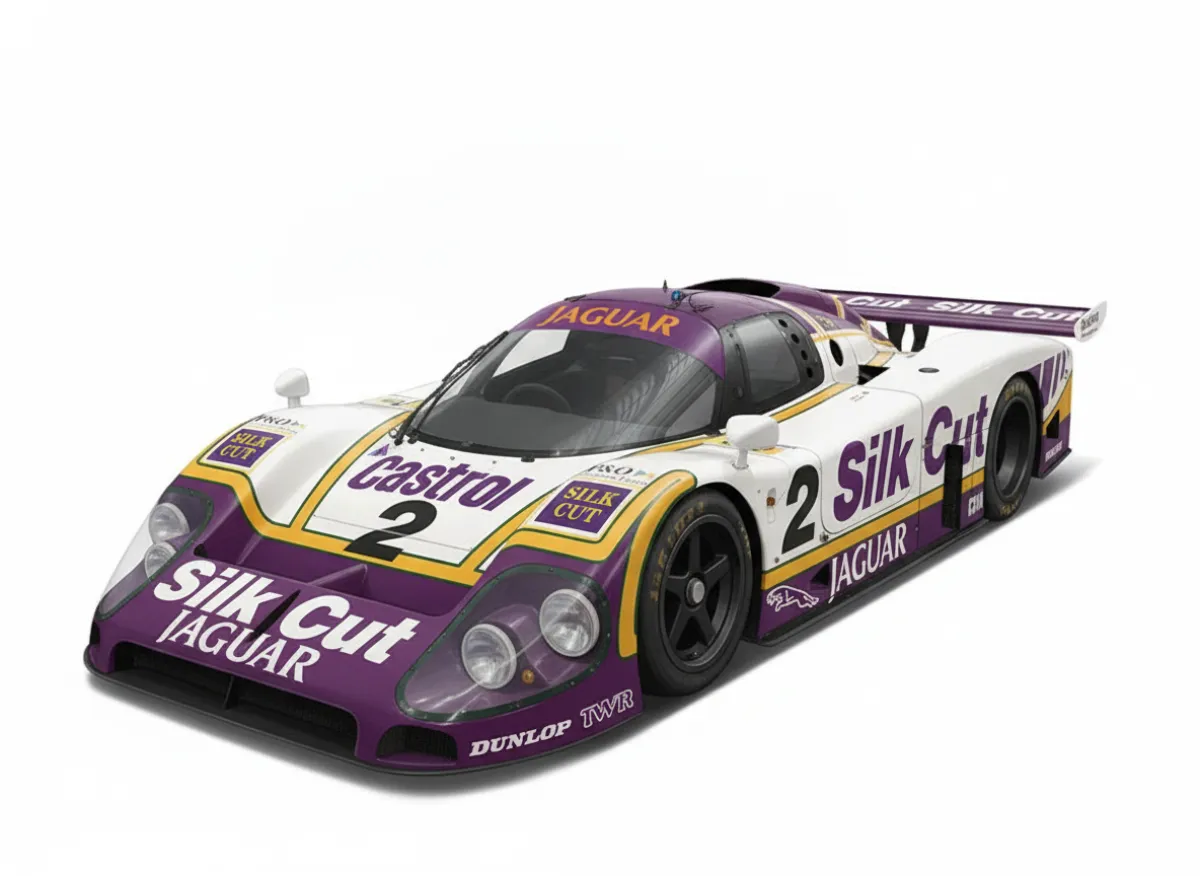
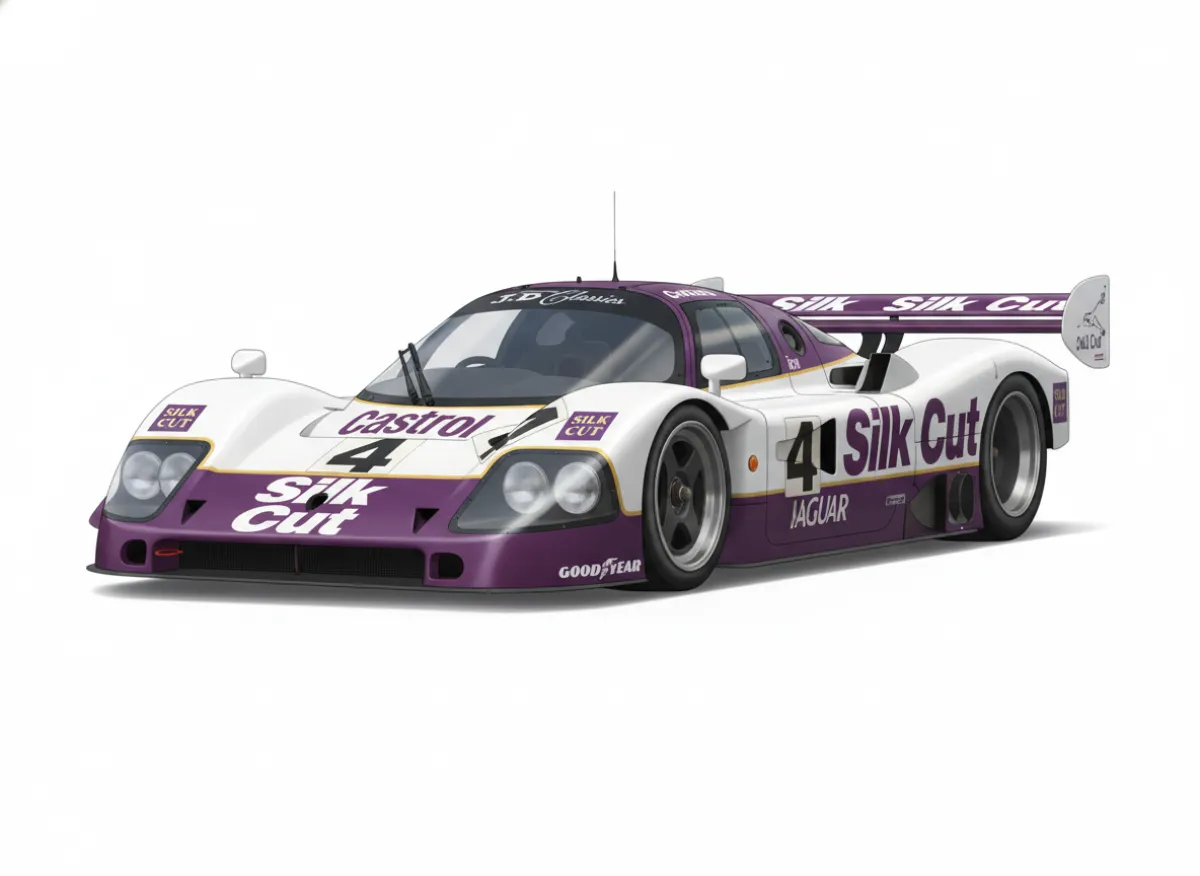
Jaguar moved from Foleshill to the former Daimler shadow factory at Browns Lane in the early 1950s, won Le Mans in 1951, 1953, 1955, 1956 and 1957, and sold Mark VII, Mark 1 and Mark 2 saloons under the line 'Grace, Space, Pace'. It bought Daimler from BSA in 1960 and launched the E-Type in 1961.
1966–1980
BMC, British Leyland and the loss of independence
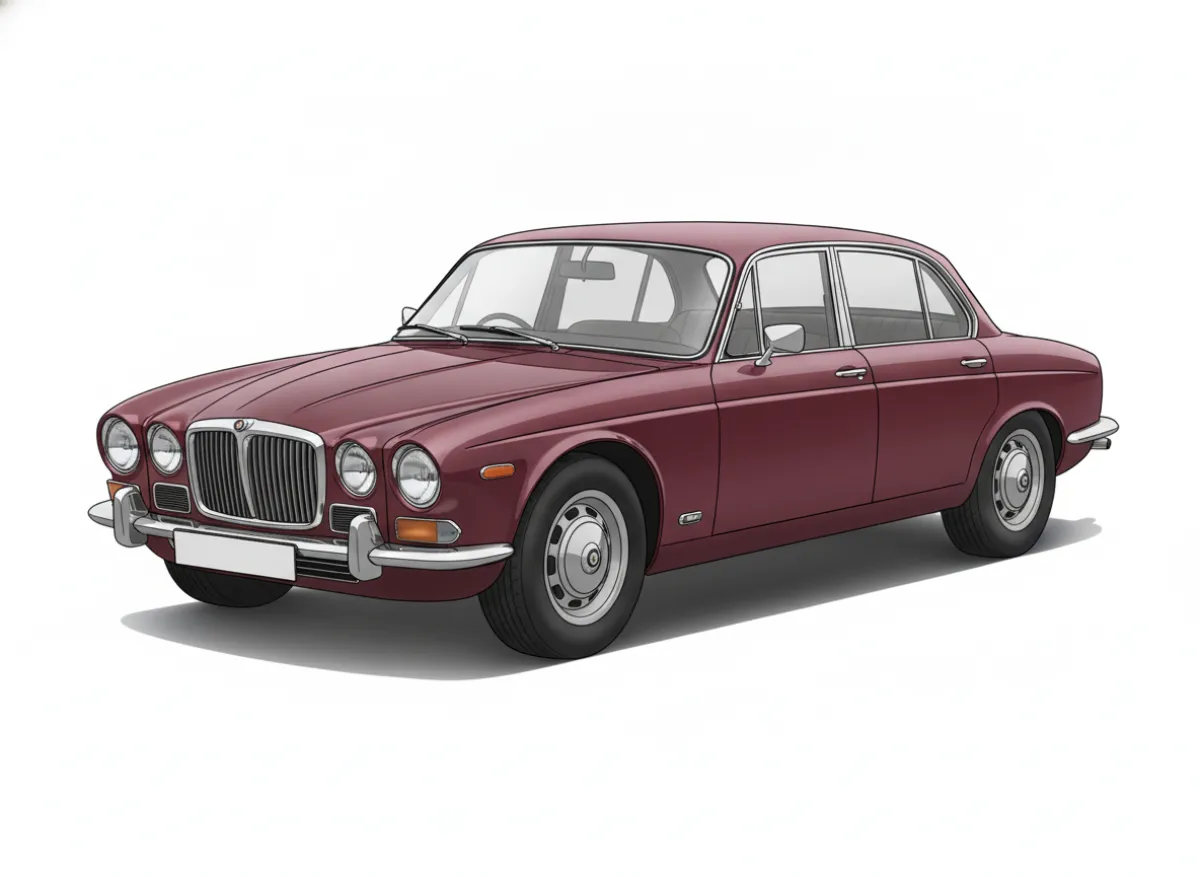
Jaguar depended on Pressed Steel for its bodies, and when BMC bought Pressed Steel in 1965 Lyons, with no heir and his body supply in a rival's hands, agreed to merge. The combination was announced in July 1966 and became British Motor Holdings at the end of that year. In 1968, under government pressure, BMH merged with Leyland to form British Leyland Motor Corporation. The XJ6 saloon of the same period became the car the company lived on for two decades.
Lyons gave up the managing directorship at the end of 1967 and retired as chairman in 1972, succeeded by 'Lofty' England, who left in 1974. Geoffrey Robinson, who followed him, resigned in 1975 over the Ryder plan to fold the group's marques together. British Leyland was effectively nationalised that year, and Jaguar's identity, quality and investment all suffered inside it.
1980–1989
Egan's recovery and privatisation
John Egan was installed as chairman in 1980. He went after build quality, late deliveries and poor productivity, cut roughly a third of about 10,000 jobs, and leaned on an old, fully written-off model range and a favourable dollar exchange rate. US retail sales rose from 5,462 in 1981 to 24,464 in 1986.
In July 1984 the Thatcher government floated Jaguar on the London Stock Exchange as a separate company. Worldwide sales reached 49,495 in 1988, a record that stood for ten years.
1989–2008
The Ford years
Ford made offers to Jaguar's British and American shareholders in November 1989, and the shares were delisted on 28 February 1990. Ford put money into the plants and the range: the S-Type arrived in 1999, the year Jaguar joined Ford's Premier Automotive Group, and the smaller X-Type in 2001. Sales passed the 1988 record in 1998, reached 90,031 in 2000 and about 130,000 in 2002.
The volume plan did not hold. Sales fell back to roughly 60,000 by 2007, and Wikipedia's account is blunt that Jaguar never made a profit under Ford. After Ford bought Land Rover in 2000 the two British marques were run with shared management and dealers. In June 2007 Ford announced it would sell both.
2008–2020
Tata and Jaguar Land Rover
Ford agreed the sale to Tata Motors on 26 March 2008 and it completed on 2 June 2008, with the Daimler, Lanchester and Rover names included. Tata had set up Jaguar Land Rover as a British holding company for the purchase. On 1 January 2013 Jaguar Cars Limited was renamed Jaguar Land Rover Limited and took in Land Rover's assets, so Jaguar stopped being a separate company and became a brand of JLR.
New aluminium cars followed: the F-Type in 2013, the XE in 2015, the F-Pace SUV in 2016 and the electric I-Pace in 2018. The F-Pace became the best seller straight away, and Jaguar's retail sales rose from 53,847 in 2012 to a peak of 180,833 in 2018.
2020–now
Collapse in volume and the electric restart
Sales fell to 102,494 in 2020 and 61,661 in 2022. On 15 February 2021 JLR said every Jaguar would be electric from 2025, and it later described a move upmarket into lower volumes at much higher prices.
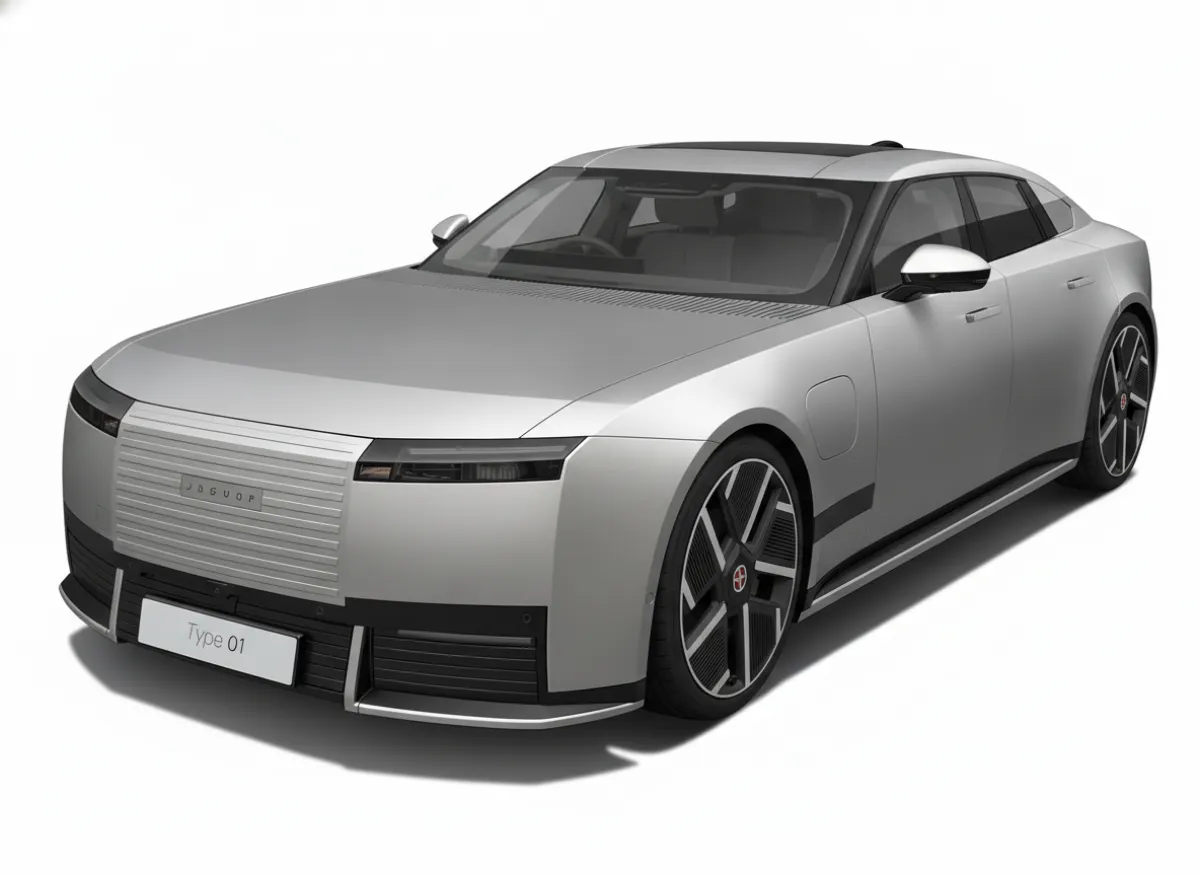
Production of every model except the F-Pace stopped in June 2024, and the I-Pace and E-Pace ended that December. A new logo and identity were shown on 19 November 2024 and the Type 00 concept on 4 December 2024, both to a sharply divided reception. Combustion-engined production ended in 2025, leaving Jaguar selling remaining stock while it prepared its new electric range. JLR's own figures put Jaguar retail sales at 59,227 in 2024 and 25,645 in 2025, when the XF, not the F-Pace, was the best-selling Jaguar.
Milestones
- 1922
William Lyons and William Walmsley found the Swallow Sidecar Company.
- 1931
The SS1, the firm's first complete car, goes on sale.
- 1934
Walmsley sells out; Lyons forms SS Cars Limited and offers shares to the public.
- 1935
The Jaguar name first appears, on the SS 2½-litre saloon and the SS Jaguar 100.
- 1945
SS Cars is renamed Jaguar Cars Limited (23 March).
- 1948
XK120 introduced with the twin-cam XK six.
- 1951
First Le Mans 24 Hours win; four more follow in 1953, 1955, 1956 and 1957.
- 1960
Jaguar buys Daimler from BSA.
- 1961
E-Type launched.
- 1966
Merger with BMC, forming British Motor Holdings.
- 1968
BMH and Leyland merge into British Leyland Motor Corporation.
- 1972
Sir William Lyons retires as chairman.
- 1975
British Leyland is effectively nationalised.
- 1980
John Egan becomes chairman.
- 1984
Jaguar is floated on the London Stock Exchange (July).
- 1989
Ford makes its offers to Jaguar shareholders (November); the shares are delisted on 28 February 1990.
- 1998
Worldwide sales of 50,220 beat the 1988 record of 49,495.
- 1999
S-Type launched; Jaguar becomes part of Ford's Premier Automotive Group.
- 2001
X-Type launched.
- 2008
Tata Motors completes the purchase of Jaguar and Land Rover from Ford (2 June).
- 2013
Jaguar Cars Limited becomes Jaguar Land Rover Limited (1 January); F-Type sales begin.
- 2016
F-Pace, Jaguar's first SUV, becomes its best seller with 45,973 sold.
- 2018
I-Pace, the first electric Jaguar, revealed (1 March); retail sales peak at 180,833.
- 2021
JLR announces that Jaguar will be all-electric from 2025 (15 February).
- 2024
Production of all models except the F-Pace ends in June; new brand identity shown 19 November; Type 00 concept shown 4 December.
- 2025
Combustion-engined Jaguar production ends.
- 2025
Jaguar retail sales fall to 25,645 as the old range runs out; the XF is the best seller with 7,688.