Japan · since 1920
Mazda
A Hiroshima cork maker that turned to three-wheel trucks, staked its name on the rotary engine, spent seventeen years under Ford's control and came out independent again.
Models on record
Researched dossiers
- Founded
- 1920
- Founders
- Jujiro Matsuda
- Headquarters
- Fuchu, Aki District, Hiroshima Prefecture, Japan
- Owned by
- Independent, Toyota Motor Corporation a minority shareholder
- Status
- active
- Cars on record
- 1931–today
Marque summary from Wikipedia, CC BY-SA 4.0.
About Mazda
Mazda Motor Corporation (マツダ株式会社, Matsuda Kabushiki gaisha) is a Japanese multinational automotive manufacturer headquartered in Fuchū, Hiroshima, Japan. The company was founded on January 30, 1920, as Toyo Cork Kogyo Co., Ltd., a cork-making factory, by Jujiro Matsuda. The company then acquired Abemaki Tree Cork Company.
Who owned it
6 changes of control, 1920 to today.
- 1920–1979Independent (Toyo Cork Kogyo / Toyo Kogyo; Matsuda family management)Publicly held company run by the Matsuda family from 1921 to 1977. Sumitomo Bank, the main bank, led the rescue after the 1975 losses and placed a managing director in the company as executive vice president in January 1976; Sumitomo group interests were large shareholders, but no percentage was documented.
- 1979–1996Ford Motor Company (minority stake) · 24.5%Capital tie-up completed November 1979 (a $135 million deal per FundingUniverse). The European Commission's 1996 decision gives 24.5%; Mazda's timeline rounds it to 25%. Mazda remained operationally independent.
- 1996–2008Ford Motor Company (effective control) · 33.4%Agreed by an April 1996 amendment to the 1979 agreement; Mazda dates the increase from 25% to 33.4% to May 1996. Ford gained the right to nominate the president, and the European Commission cleared it on 24 May 1996 as an acquisition of sole control.
- 2008–2010Ford Motor Company (largest shareholder, minority) · 13.8%, diluted to 11.0% in November 2009Ford announced on 18 November 2008 that it was selling down to 'slightly above 13 percent'; Mazda records 33.4% → 13.8% in November 2008 and 13.8% → 11.0% through Mazda's public offering of new shares in November 2009.
- 2010–2015Independent, Ford a small shareholder · Ford 3.5% from November 2010; about 2% after Mazda's 2012 share issueFord's sale announced 18 November 2010 for completion 19 November cut it from 11% to 3.5%. A May 2012 report puts Ford at 2 percent; Jalopnik gives the final holding as 2.1%, sold in 2015 (Japan Times reporting, via secondary sources, places the sale between April and September 2015).
- 2017–nowIndependent, Toyota Motor Corporation a minority shareholder · Toyota 5.05%Business and capital alliance signed 4 August 2017: Toyota subscribed for 31,928,500 newly issued Mazda shares (¥50 billion), payment due 2 October 2017; Mazda took Toyota shares of equal value (0.25%).
Chief executives
Sales, revenue and rank
Vehicles sold or built
What the figure counts changes 1 times. Read each numbered stretch on its own.
- 1931–2018Mazda vehicle production worldwide, calendar year (Hiroshima and Hofu plants plus Mazda-counted overseas production), from Mazda's centenary data table
- 2019–2025Mazda global production, calendar year (domestic plus overseas production, Mazda production and sales results release)
Revenue
JPY of the day, not adjusted for inflation
What the figure counts changes 1 times. Read each numbered stretch on its own.
- 1980–2001Toyo Kogyo / Mazda Motor Corporation consolidated sales revenue, fiscal term 114 (Nov 1979–Oct 1980); Mazda gives it to one decimal of a billion yen
- 2002–2025Mazda Motor Corporation consolidated net sales, fiscal year 1 April 2002 – 31 March 2003 (Mazda filing figure in millions of yen)
Rank among manufacturers
Higher on the chart is a better rank.
world, by vehicle production (OICA world motor vehicle production by manufacturer)
Best-selling model each year
| Year | Model | Units | Market | All vehicles |
|---|---|---|---|---|
| 2025 | CX-5 | 334,578 | worldwide (Mazda global sales, calendar year) | 1,156,707 |
| 2024 | CX-5 | 345,209 | worldwide (Mazda global sales, calendar year) | 1,201,049 |
| 2023 | CX-5 | 354,850 | worldwide (Mazda global sales, calendar year) | 1,253,654 |
| 2022 | CX-5 | 365,135 | worldwide (Mazda global sales, calendar year) | 1,091,896 |
| 2021 | CX-5 | 381,800 | worldwide (Mazda global sales, calendar year) | 1,074,987 |
| 2020 | CX-5 | 361,051 | worldwide (Mazda global sales, calendar year) | 1,175,139 |
| 2019 | CX-5 | 444,262 | worldwide (Mazda global sales, calendar year) | 1,487,917 |
| 2018 | CX-5 | — | worldwide (Mazda global sales; units not found) | 1,596,767 |
| 2017 | CX-5 | — | worldwide (Mazda global sales; units not found) | 1,607,599 |
| 2016 | CX-5 | — | worldwide (Mazda global sales; units not found) | 1,586,012 |
| 2015 | CX-5 | — | worldwide (Mazda global sales; units not found) | 1,540,575 |
| 2014 | CX-5 | — | worldwide (Mazda global sales; units not found) | 1,328,426 |
Sources for these figures (62)
- 100 Years Timeline, chapter 1 (1920–1945) — Mazda Motor Corporation (centenary site)
- 100 Years Timeline, chapter 2 (1946–1959): Reconstruction after war — Mazda Motor Corporation (centenary site)
- 100 Years Timeline, chapter 3 (1960–1973): Entry into passenger market — Mazda Motor Corporation (centenary site)
- 100 Years Timeline, chapter 4 (1974–1978): Financial difficulties under the oil crisis — Mazda Motor Corporation (centenary site)
- 100 Years Timeline, chapter 5 (1979–1984) — Mazda Motor Corporation (centenary site)
- 100 Years Timeline, chapter 6 (1985–1992): Domestic sales channel expansion — Mazda Motor Corporation (centenary site)
- 100 Years Timeline, chapter 7 (1993–2000): Company restart in cooperation with Ford — Mazda Motor Corporation (centenary site)
- 100 Years Timeline, chapter 8 (2001–2008): Establishment of new brand strategy — Mazda Motor Corporation (centenary site)
- 100 Years Timeline, chapter 9 (2009–2015): The Skyactiv technology challenge — Mazda Motor Corporation (centenary site)
- 100 Years Timeline, chapter 10 (2016–2020) — Mazda Motor Corporation (centenary site)
- Founder's Passion (Jujiro Matsuda) — Mazda Motor Corporation (centenary site)
- 100 Years Through Figures: Presidents — Mazda Motor Corporation (centenary site)
- 100 Years Through Figures: production volume table (by plant area, 1920–2018) — Mazda Motor Corporation (centenary site)
- 100 Years Through Figures: changes in financial metrics, table (fiscal terms 1–153) — Mazda Motor Corporation (centenary site)
- Mazda history highlights — Mazda Motor Corporation
- Mazda production and sales results for December 2018 and for January through December 2018 — Mazda Motor Corporation
- Mazda announces change of President and CEO (March 17, 2023) — Mazda Motor Corporation
- Case No IV/M.741 Ford / Mazda, Article 6(1)(b) decision of 24 May 1996 — Commission of the European Communities
- Ford sells a portion of its stake in Mazda; two companies will continue strategic relationship (November 18, 2008) — Ford Motor Company (archived press release)
- Ford to change stake in Mazda; both companies to continue strategic partnership (November 18, 2010) — Ford Motor Company (archived press release)
- Ford cuts stake in Mazda (November 18, 2010) — Top Gear Philippines
- Business news, May 24, 2012 (Ford's stake in Mazda) — Lincoln Daily News (wire report)
- When did Ford start selling off its stake in Mazda? — Jalopnik
- Toyota and Mazda enter business and capital alliance (August 4, 2017) — Toyota Motor North America newsroom
- Mazda Motor Corporation history (International Directory of Company Histories) — FundingUniverse
- Mazda — Wikipedia
- Jujiro Matsuda — Wikipedia
- Kohei Matsuda (president profile, Mazda 7261) — the-shashi.com
- Mazda history 2000–2004 — Mazda Motor Corporation
- Mazda production and sales results for December 2019 and for January through December 2019 — Mazda Motor Corporation
- Mazda production and sales results for December 2020 and for January through December 2020 — Mazda Motor Corporation
- Mazda production and sales results for December 2021 and for January through December 2021 — Mazda Motor Corporation
- Mazda production and sales results for December 2022 and for January through December 2022 — Mazda Motor Corporation
- Mazda production and sales results for December 2023 and for January through December 2023 — Mazda Motor Corporation
- Mazda production and sales results for December 2024 and for January through December 2024 — Mazda Motor Corporation
- Mazda production and sales results for December 2025 and for January through December 2025 — Mazda Motor Corporation
- Mazda Integrated Report 2025, data section: Eleven-Year Summary of Consolidated Financial Statements (years ended March 31, 2015–2025) — Mazda Motor Corporation
- Notice of variance between forecast and actual results, fiscal year ended March 31, 2026 (May 12, 2026) — Mazda Motor Corporation
- World motor vehicle production, world ranking of manufacturers, 1998 (OICA correspondents survey; archived copy) — OICA
- World motor vehicle production, world ranking of manufacturers, 1999 (OICA correspondents survey; archived copy) — OICA
- World motor vehicle production, world ranking of manufacturers, 2000 (OICA correspondents survey; archived copy) — OICA
- World motor vehicle production, world ranking of manufacturers, 2001 (OICA correspondents survey; archived copy) — OICA
- World motor vehicle production, world ranking of manufacturers, 2002 (OICA correspondents survey; archived copy) — OICA
- World motor vehicle production, world ranking of manufacturers, 2003 (OICA correspondents survey; archived copy) — OICA
- World motor vehicle production, world ranking of manufacturers, 2004 (OICA correspondents survey; archived copy) — OICA
- World motor vehicle production, world ranking of manufacturers, 2005 (OICA correspondents survey; archived copy) — OICA
- World motor vehicle production, world ranking of manufacturers, 2006 (OICA correspondents survey; archived copy) — OICA
- World motor vehicle production, world ranking of manufacturers, 2007 (OICA correspondents survey; archived copy) — OICA
- World motor vehicle production, world ranking of manufacturers, 2008 (OICA correspondents survey; archived copy) — OICA
- World motor vehicle production, world ranking of manufacturers, 2009 (OICA correspondents survey; archived copy) — OICA
- World motor vehicle production, world ranking of manufacturers, 2010 (OICA correspondents survey; archived copy) — OICA
- World motor vehicle production, world ranking of manufacturers, 2011 (OICA correspondents survey; archived copy) — OICA
- World motor vehicle production, world ranking of manufacturers, 2012 (OICA correspondents survey; archived copy) — OICA
- World motor vehicle production, world ranking of manufacturers, 2013 (OICA correspondents survey; archived copy) — OICA
- World motor vehicle production, world ranking of manufacturers, 2014 (OICA correspondents survey; archived copy) — OICA
- World motor vehicle production, world ranking of manufacturers, 2015 (OICA correspondents survey; archived copy) — OICA
- World motor vehicle production, world ranking of manufacturers, 2016 (OICA correspondents survey; archived copy) — OICA
- World motor vehicle production, world ranking of manufacturers, 2017 (OICA correspondents survey; archived copy) — OICA
- Mazda Annual Report 2013: Eleven-Year Summary of Consolidated Financial Statements (years ended March 31, 2003–2013) — Mazda Motor Corporation
- Mazda Annual Report 2014: Eleven-Year Summary of Consolidated Financial Statements (years ended March 31, 2004–2014) — Mazda Motor Corporation
- Mazda CX-5 (statement that the CX-5 has been Mazda's best-selling model globally since 2014, citing Mazda's December 2014 flash report) — Wikipedia
- Mazda appoints Masahiro Moro to chairman and CEO of Mazda North American Operations (March 12, 2019) — Mazda North American Operations
- Units (1931–2025) are Mazda's global vehicle production by calendar year, one consistent definition throughout: 1931–2018 from the production table on Mazda's centenary site (Hiroshima area + Hofu area + overseas plants), 2018 cross-checked against Mazda's January 2019 production and sales release (1,596,767, identical), and 2019–2025 from Mazda's January production and sales releases ('global production' = domestic plus overseas). Production rather than sales is used because Mazda published calendar-year global retail sales only from 2019 (1,497,823 in 2019; 1,243,005 in 2020; 1,287,548 in 2021; 1,116,107 in 2022; 1,244,613 in 2023; 1,277,578 in 2024; 1,256,215 in 2025).
- The centenary production table is headed 'Cumulative production volume' with the unit given only as '(unit)', but each row is the sum of that year's plant figures and the 2018 row matches Mazda's calendar-year release, so it is read as annual calendar-year production. Its 2004 China figure (130,824) repeats the 2005 figure exactly, which looks like a data-entry error on Mazda's page; the 2004 total of 1,078,743 is entered as published.
- Minor conflicts on production: OICA and Wikipedia give 1,285,320 (Wikipedia) for 2006, 1,349,274 for 2008, 1,540,576 for 2015 and 1,607,602 for 2017, against Mazda's centenary figures of 1,307,468, 1,349,392, 1,540,575 and 1,607,599. Mazda's own figures are used. OICA's own Mazda totals for 1998–2005 (e.g. 957,012 in 2001, 1,287,561 in 2005) differ more widely from Mazda's for reasons neither source explains; they were used only for rank.
- Mazda's timeline says annual automobile production exceeded one million in December 1979, while its production table gives 971,421 for calendar 1979 and 1,131,016 for 1980. The table figure is used for 1979.
- No annual production figures exist before 1931 (the company made cork products and machine tools); 1920–1930 are omitted rather than null.
- Revenue is consolidated sales. 1980–2001 come from the centenary site's financial table, which gives consolidated sales to one decimal of a billion yen (e.g. ¥1,079.7 billion is entered as 1,079,700,000,000), so those amounts are rounded to ¥100 million. 2002–2013 are exact (millions of yen) from the eleven-year summaries in Mazda's Annual Reports 2013 and 2014, 2014–2024 from the Integrated Report 2025, and 2025 from Mazda's 12 May 2026 results notice (¥4,918,172 million). The overlapping rounded centenary figures agree with the exact ones, except fiscal year to March 2019, which the Integrated Report restates as ¥3,564,172 million (centenary table ¥3,564.7 billion) after US-GAAP subsidiaries adopted ASU 2014-09; the restated figure is used. Fiscal years from April 2022 reflect Japan's new revenue-recognition standard, per the Integrated Report.
- Fiscal-year attachment: until 1988 Toyo Kogyo/Mazda's fiscal year ran November–October; each is attached to the calendar year in which it ended (November 1979–October 1980 under 1980). The short transitional term of November 1988–March 1989 (consolidated ¥862.3 billion) is not entered. From April 1989 the fiscal year runs April–March and is attached to the calendar year in which it starts (April 2024–March 2025 under 2024).
- Consolidated figures start with the term ending October 1980. Mazda's table gives only non-consolidated (parent-company) sales before that, including half-year terms up to 1974; these are not entered because they are a different scope. For reference, non-consolidated sales were ¥496.5 billion for the year to October 1975, with a non-consolidated operating loss of ¥14.5 billion. Several term dates for terms 101–113 on the centenary page are visibly garbled (start dates after end dates).
- Rank is Mazda's position in OICA's world ranking of manufacturers by motor-vehicle production, 1998–2017, read from the archived OICA PDFs (the files are no longer on oica.net; the Wayback Machine copies were used). OICA listed Mazda separately from Ford throughout Ford's control. For 2006 OICA published two versions; an earlier file lists Mazda 17th but its rows are out of order (Kia, with fewer vehicles, ranked above Mazda), and the corrected July 2008 file, used here, puts Mazda 14th. For 2011 the final March 2012 file (including Chinese groups) puts Mazda 18th; a revised variant that omits several Chinese groups puts it 15th. OICA stopped publishing manufacturer rankings after 2017, so 2018 onward has no rank.
- Best seller: 2019–2025 are calendar-year global sales of the CX-5 from Mazda's January releases, which list the top three models by global sales. 2014–2018 rest on Wikipedia's statement, citing Mazda's December 2014 flash report, that the CX-5 has been Mazda's best-selling model globally since 2014; units are left null because Mazda's releases for those years give model figures only for domestic production, overseas production, domestic sales and exports, not combined global sales. Wikipedia's CX-5 sales table was not used for units because its columns could not be aligned (its 2018 'total' equals Mazda's CX-5 export figure). No documented best seller was found for any year before 2014 (Familia/323, Demio/Mazda2, Mazda3 and others are therefore not entered); the web search budget for this research ran out before Japanese-language Mazda flash reports or annual reports for 1990s–2000s model data could be searched.
- Ownership stakes: the 1979 stake is 24.5% in the European Commission's 1996 Ford/Mazda decision and in FundingUniverse; Mazda's timeline rounds it to 25%. The 1996 increase was agreed by an amendment dated April 1996 (EC decision of 24 May 1996, notified 17 April 1996); Mazda dates the shareholding change to May 1996. Wikipedia also mentions a May 1995 date for 33.4%, which conflicts with the EC decision and Mazda's timeline and is not used. For November 2008 Ford's release says 'slightly above 13 percent' and Mazda says 13.8%; Mazda's figure is used. The 2012 figure of about 2% comes from a May 2012 wire report; the final 2.1% sale in 2015 comes from Jalopnik, with Wikipedia giving 30 September 2015 — no Ford or Mazda primary announcement of the final sale was found (Ford reportedly did not announce it). No Ford holding before 1979 is entered: Wikipedia says the 1979 deal expanded an earlier stake of about 7%, which no other source consulted confirms.
- Sumitomo: sources agree that Sumitomo Bank led the mid-1970s rescue and that a Sumitomo Bank managing director joined as executive vice president in January 1976, but no document giving Sumitomo group shareholdings was found, so Sumitomo is not shown as an owner.
- Leaders list the presidents (shachō), Mazda's top executive post, from Mazda's centenary 'Presidents' page, with titles as at the time where a source states them ('President and CEO' is documented for Imaki from 2003, and 'Representative Director, President and CEO' for Marumoto and Moro). Chairmen are not listed separately except as notes: Jujiro Matsuda became chairman in December 1951 and Kohei Matsuda in December 1977; later chairmen (e.g. Kiyotaka Shobuda, chairman at the 2023 handover) were not systematically sourced.
- The founder's centenary page says Jujiro Matsuda renamed the company after the 1925 fire; Mazda's dated timeline puts the rename to Toyo Kogyo in September 1927, which is used.
- Ford's archived 2010 release is datelined 18 November without a year; the year 2010 is confirmed by Top Gear Philippines, Mazda's timeline (November 2010, 11.0% to 3.5%) and other contemporary reports.
Factories
Researched dossiers
Every model
Models in production each year
1930s
1 launched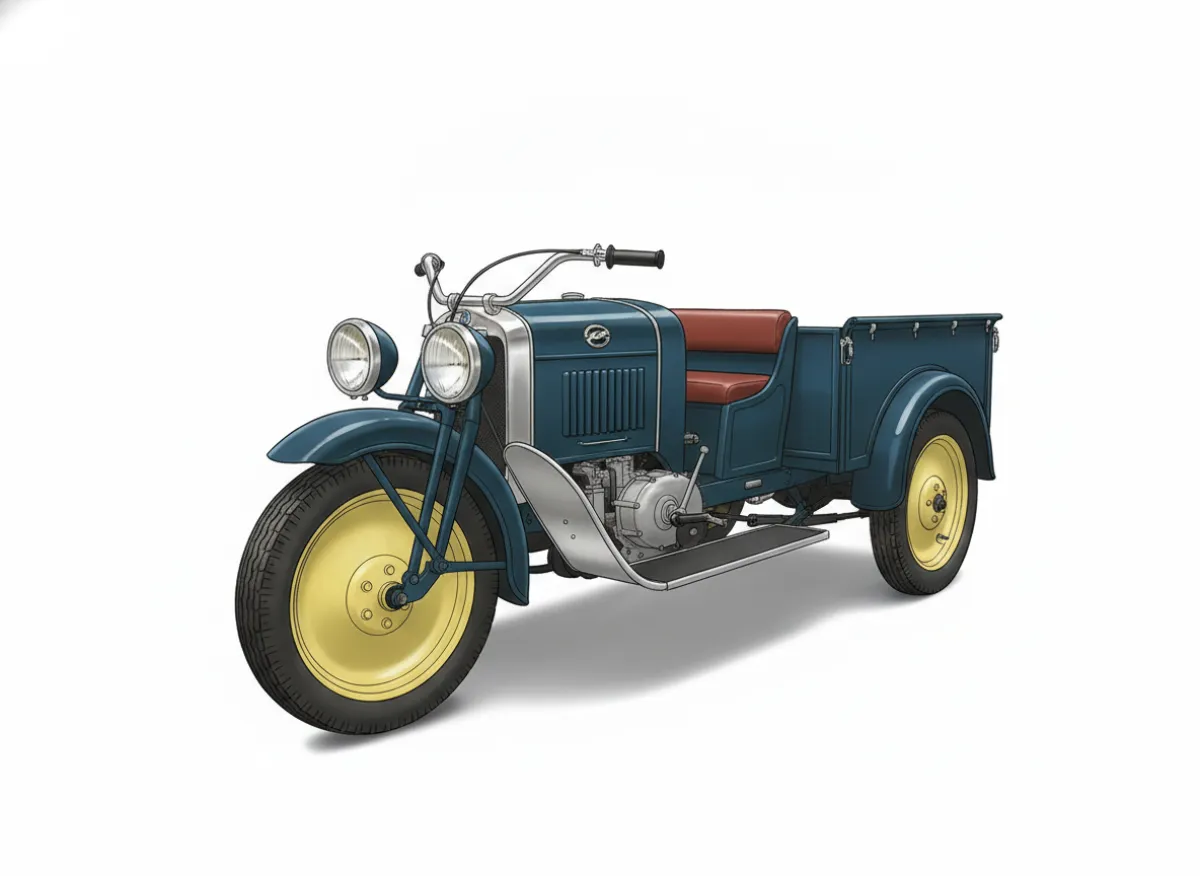
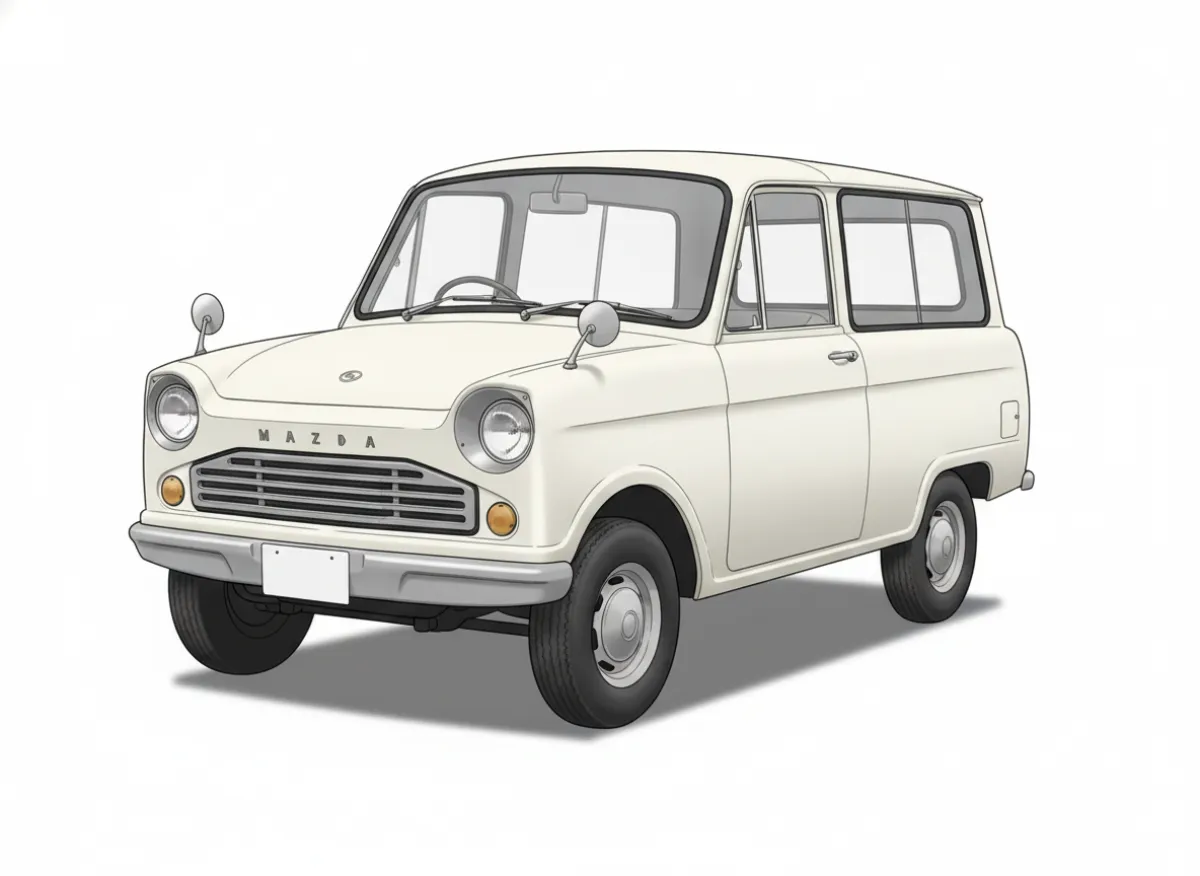
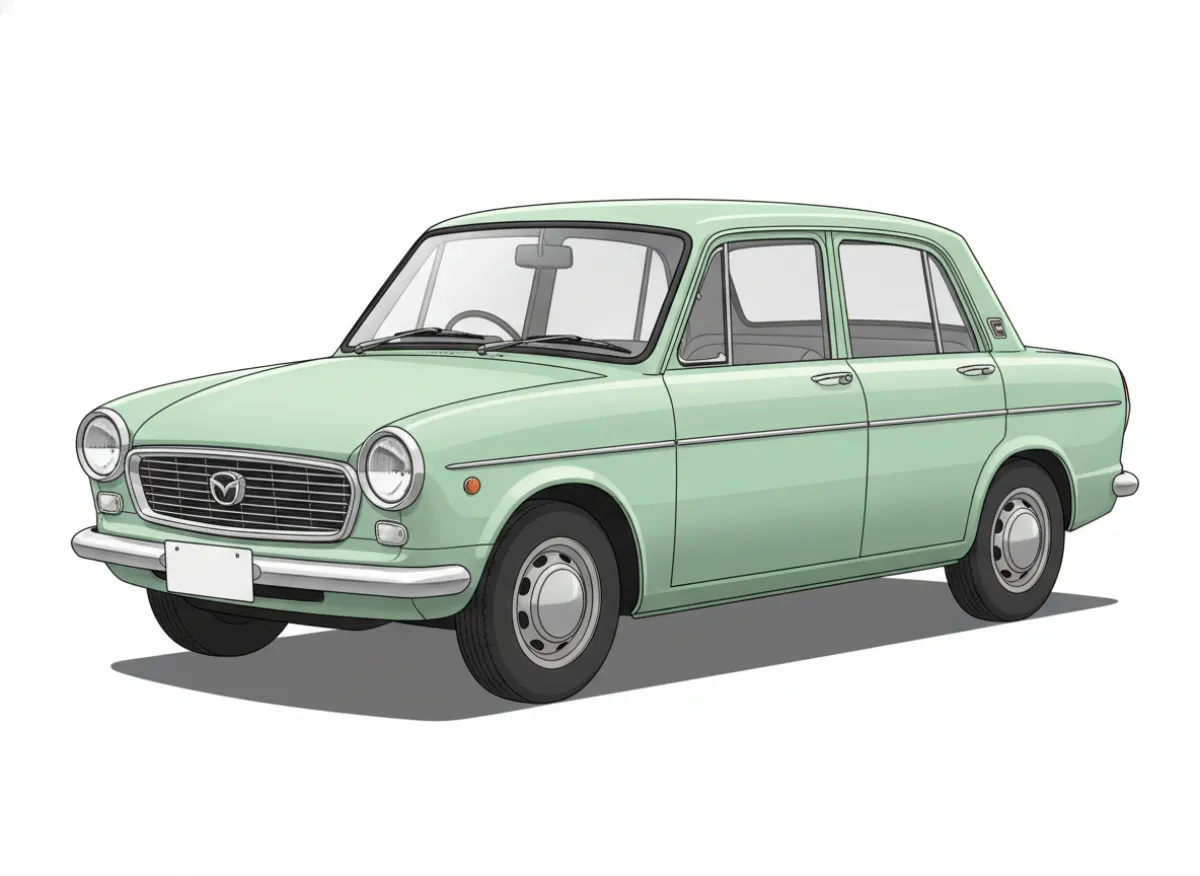
1960s
8 launched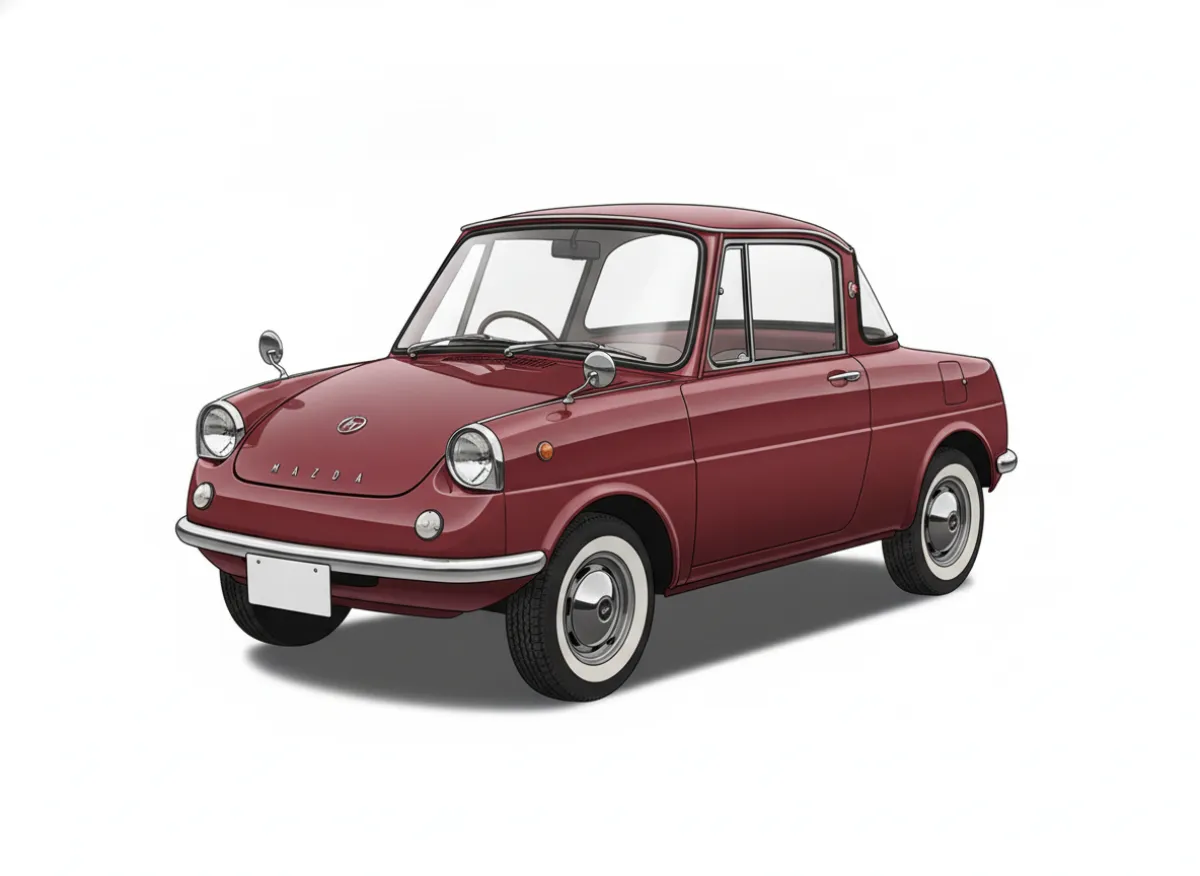
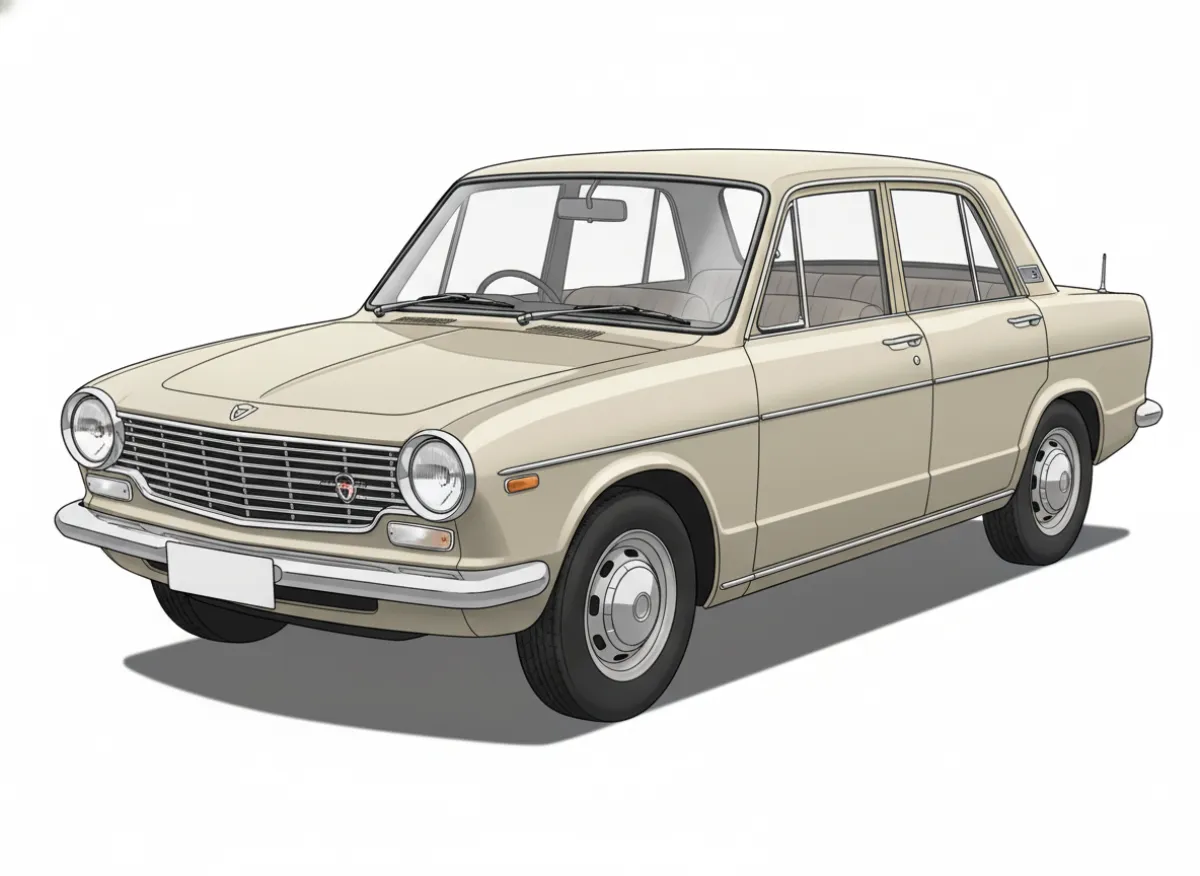
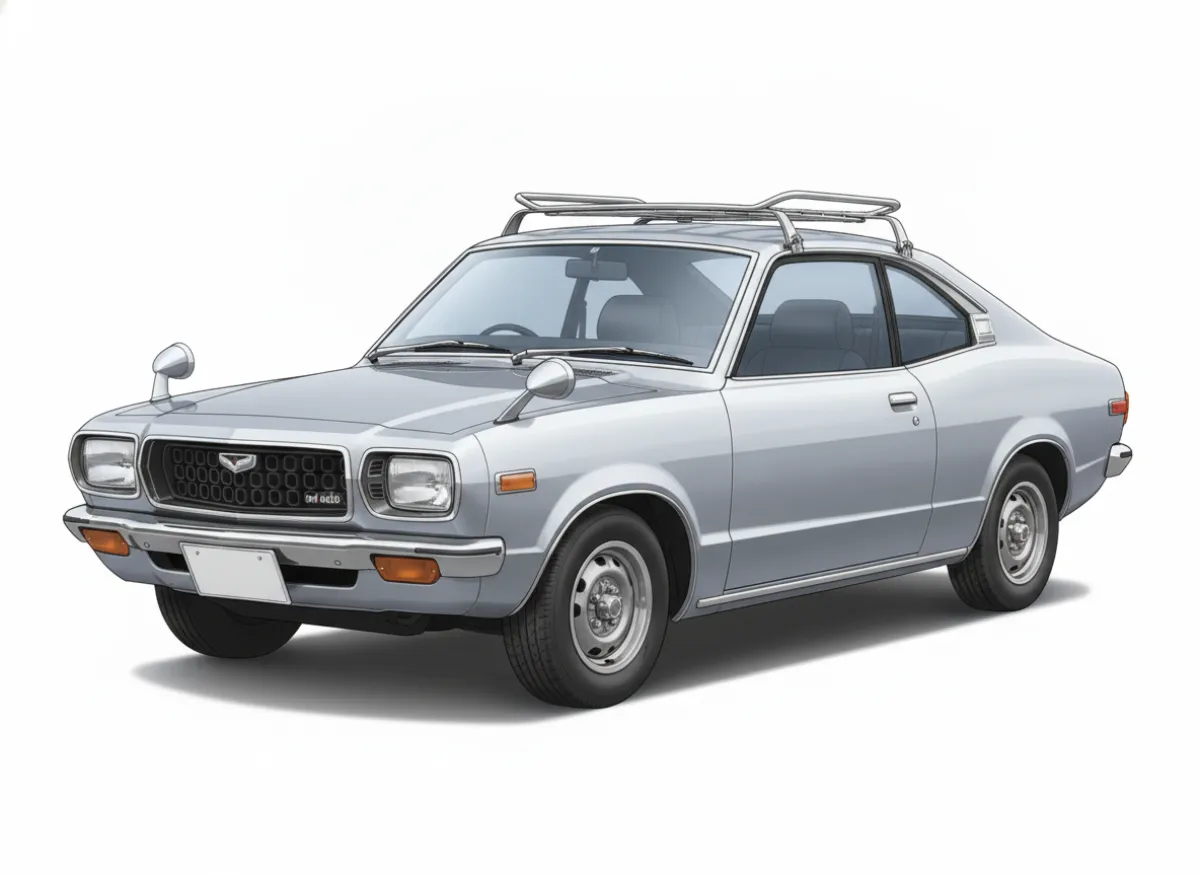
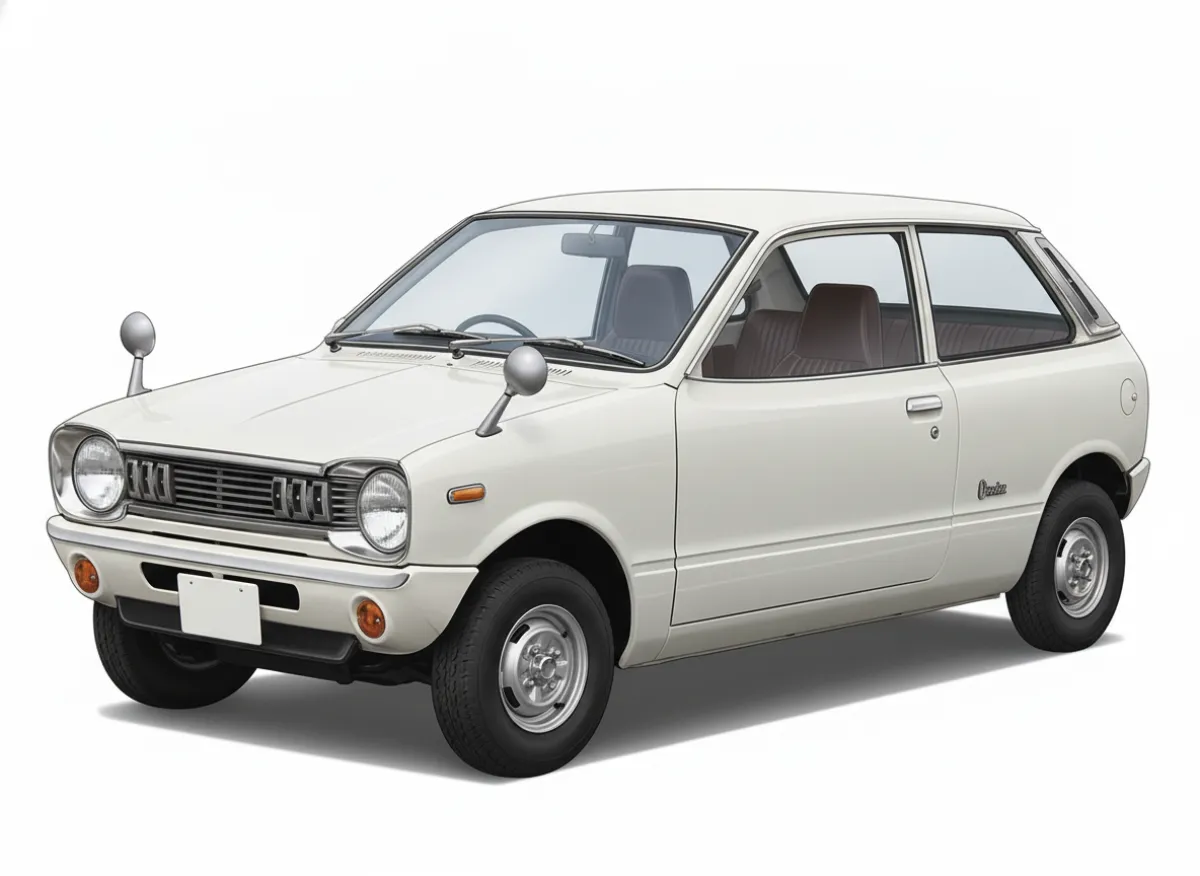
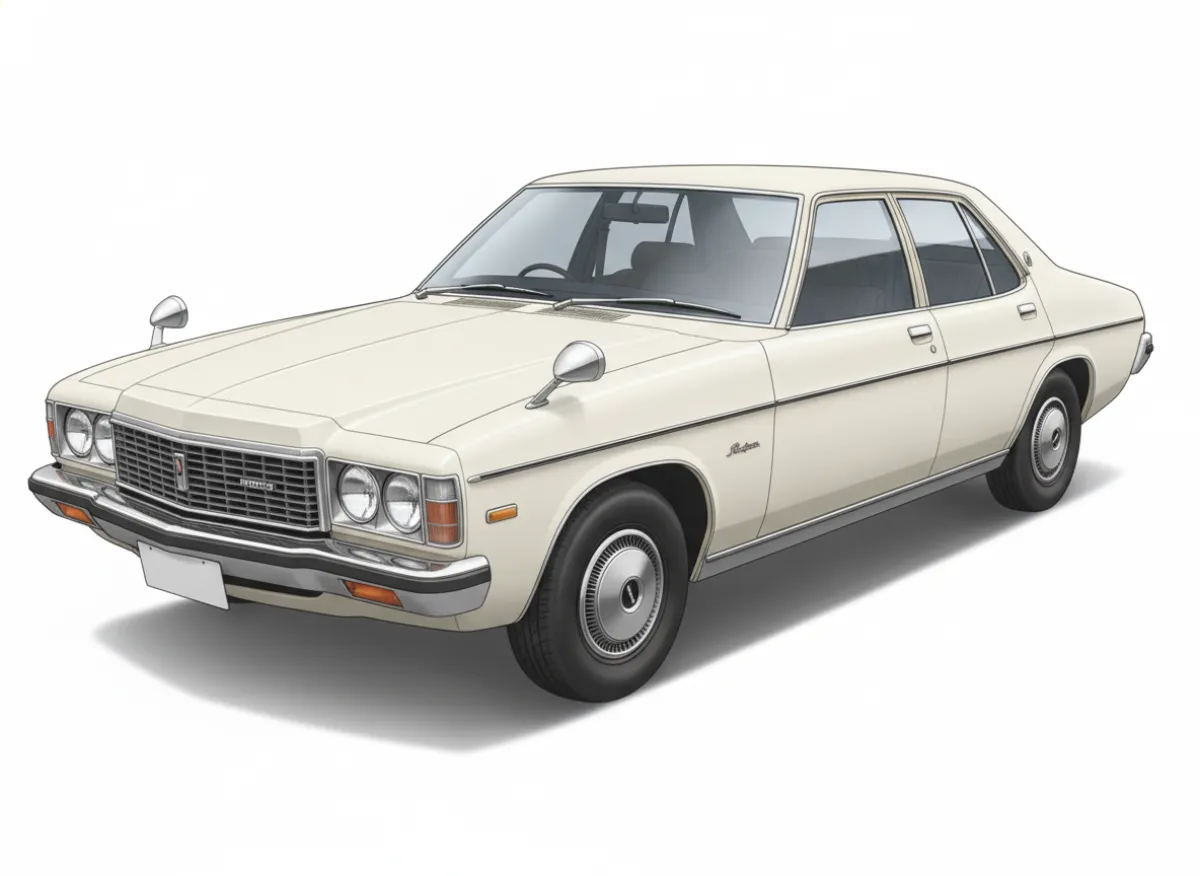
1970s
9 launched
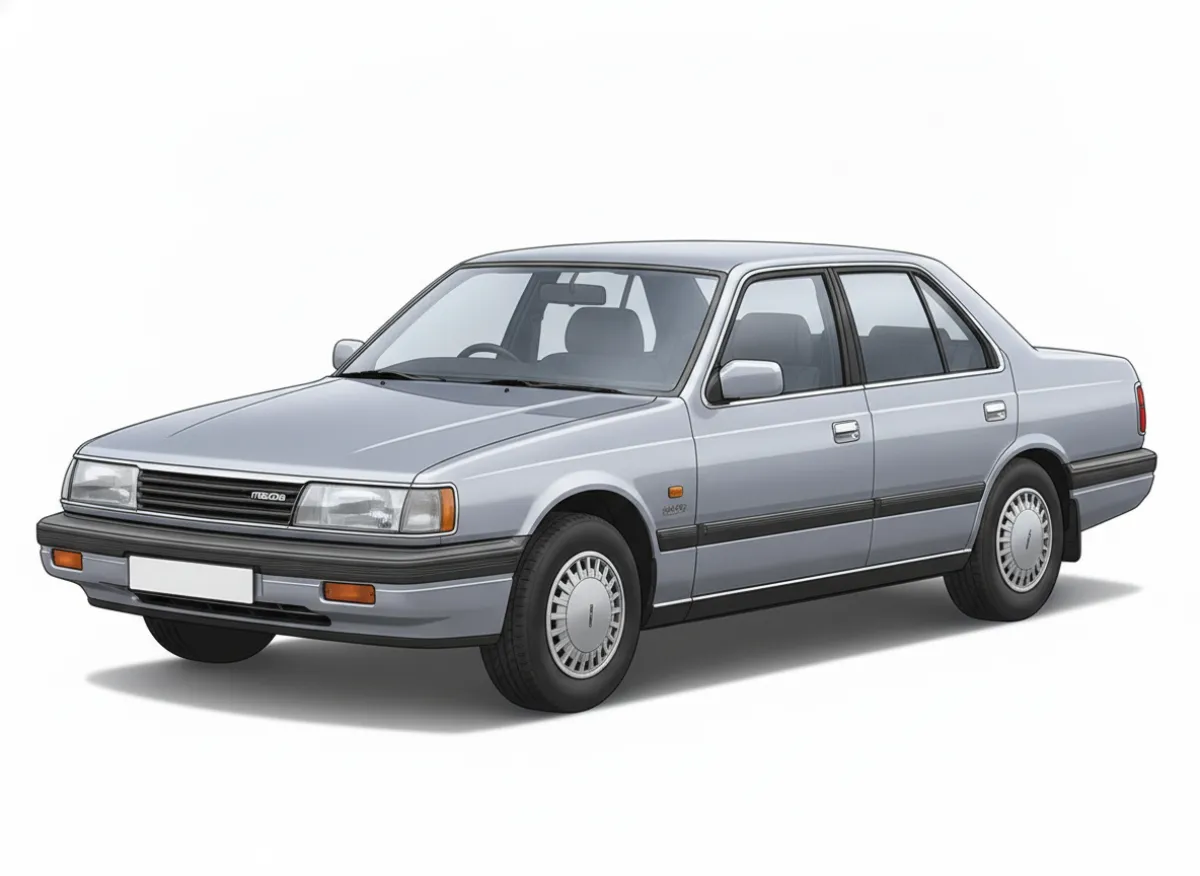
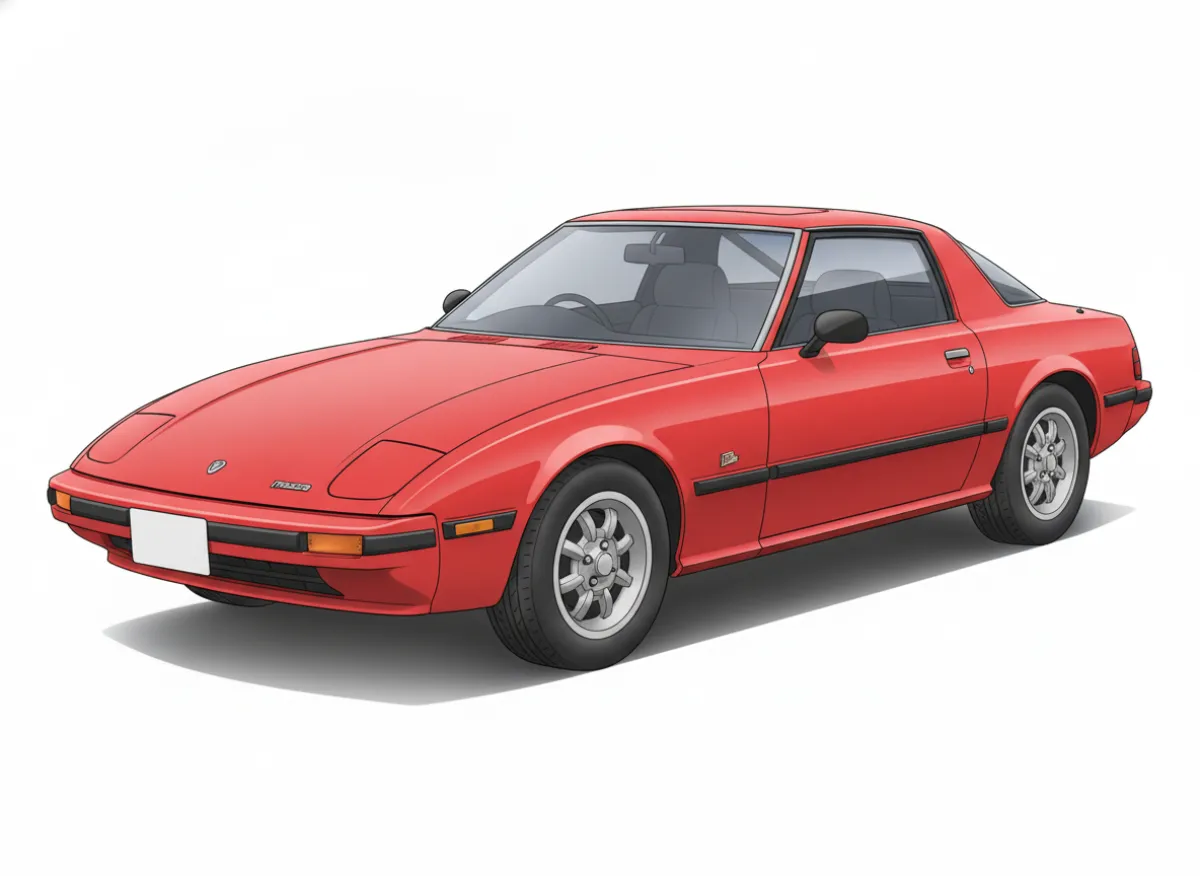
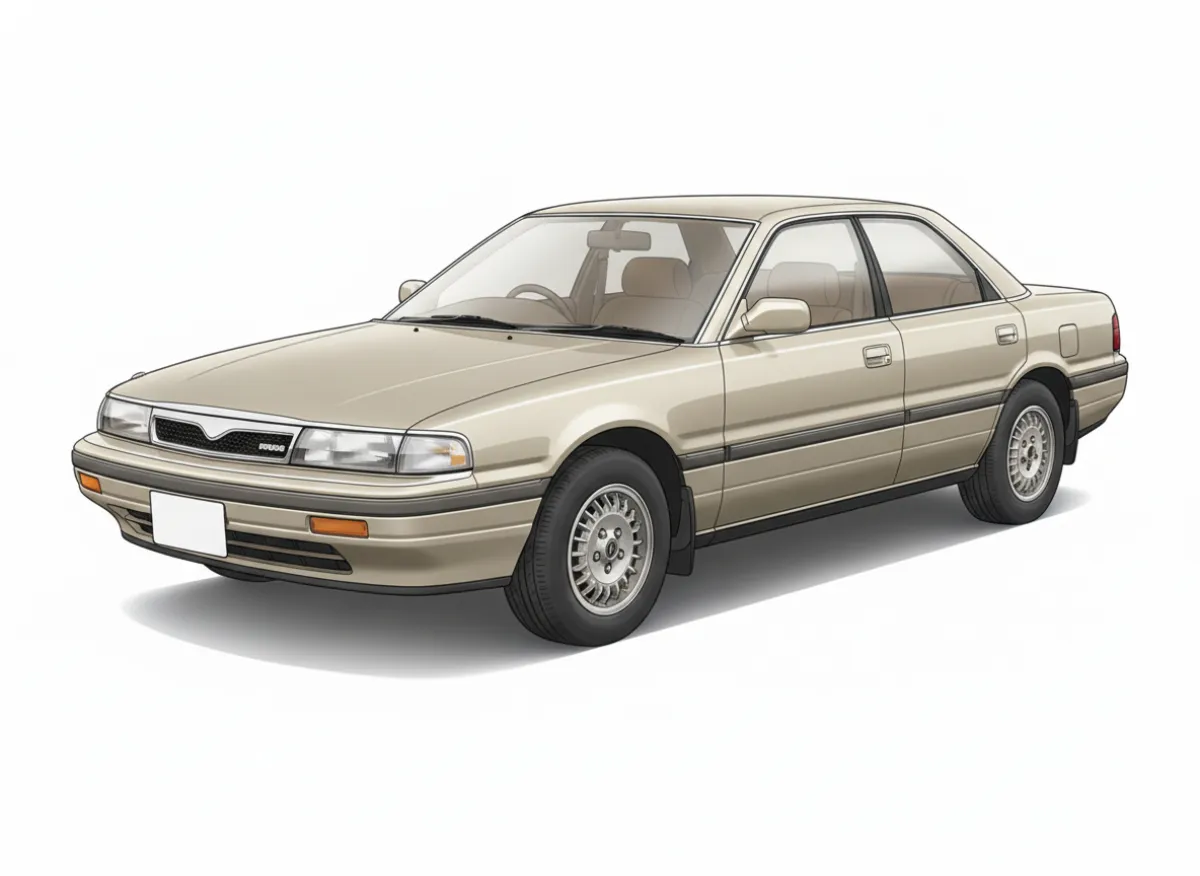
1980s
7 launched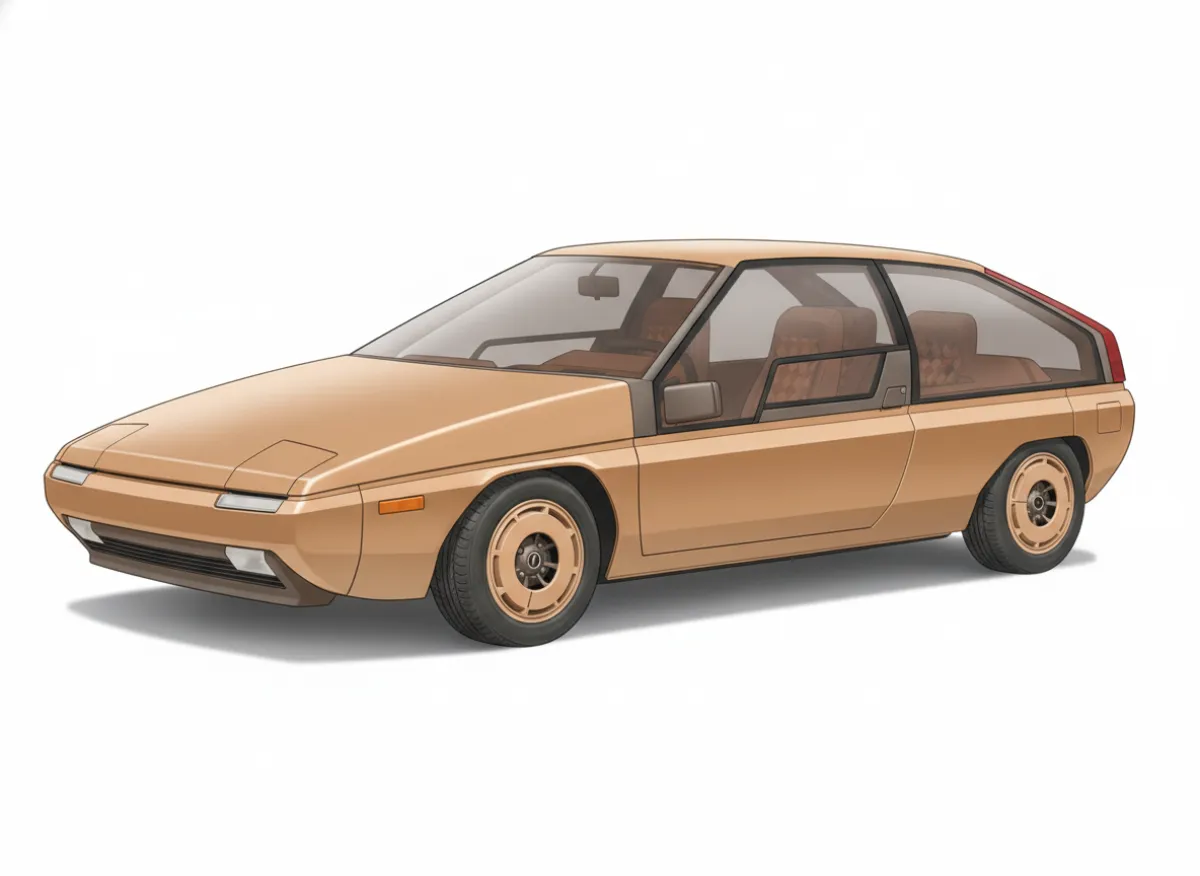
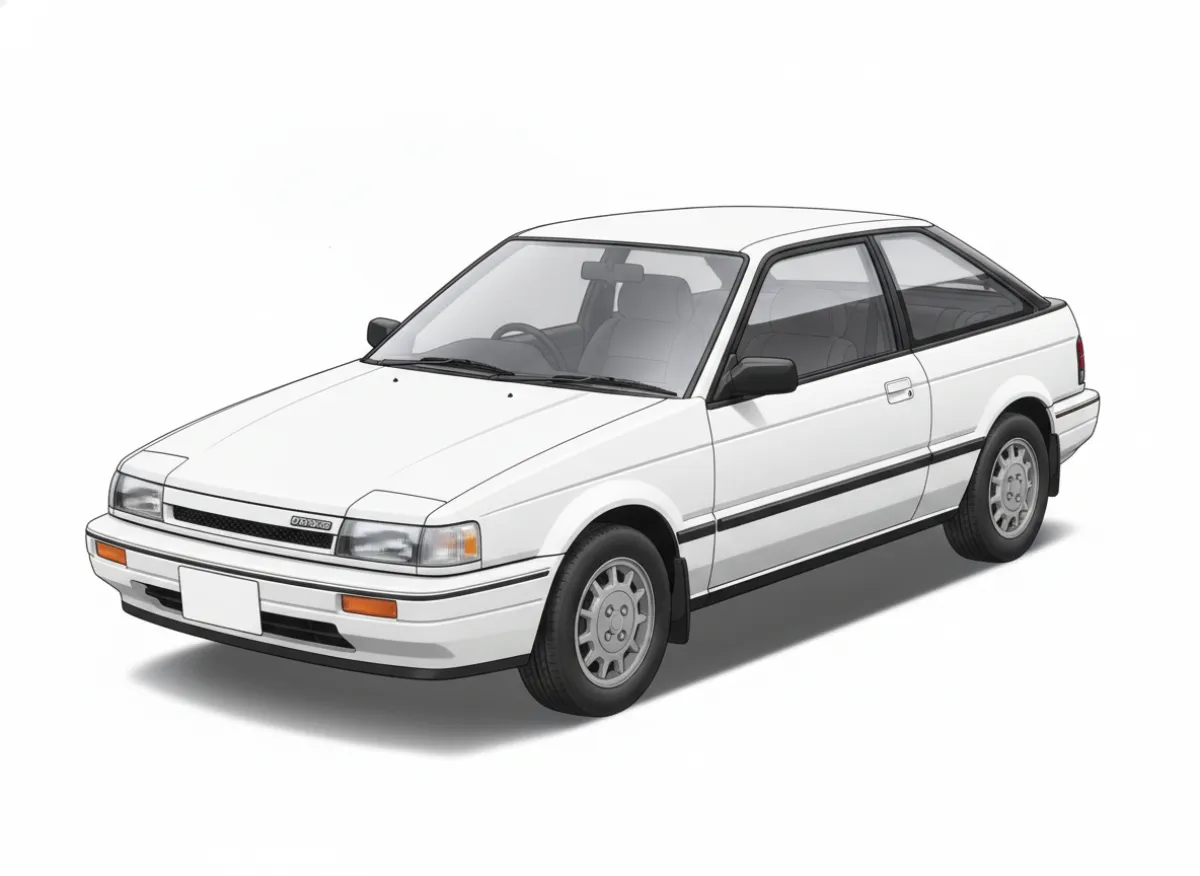
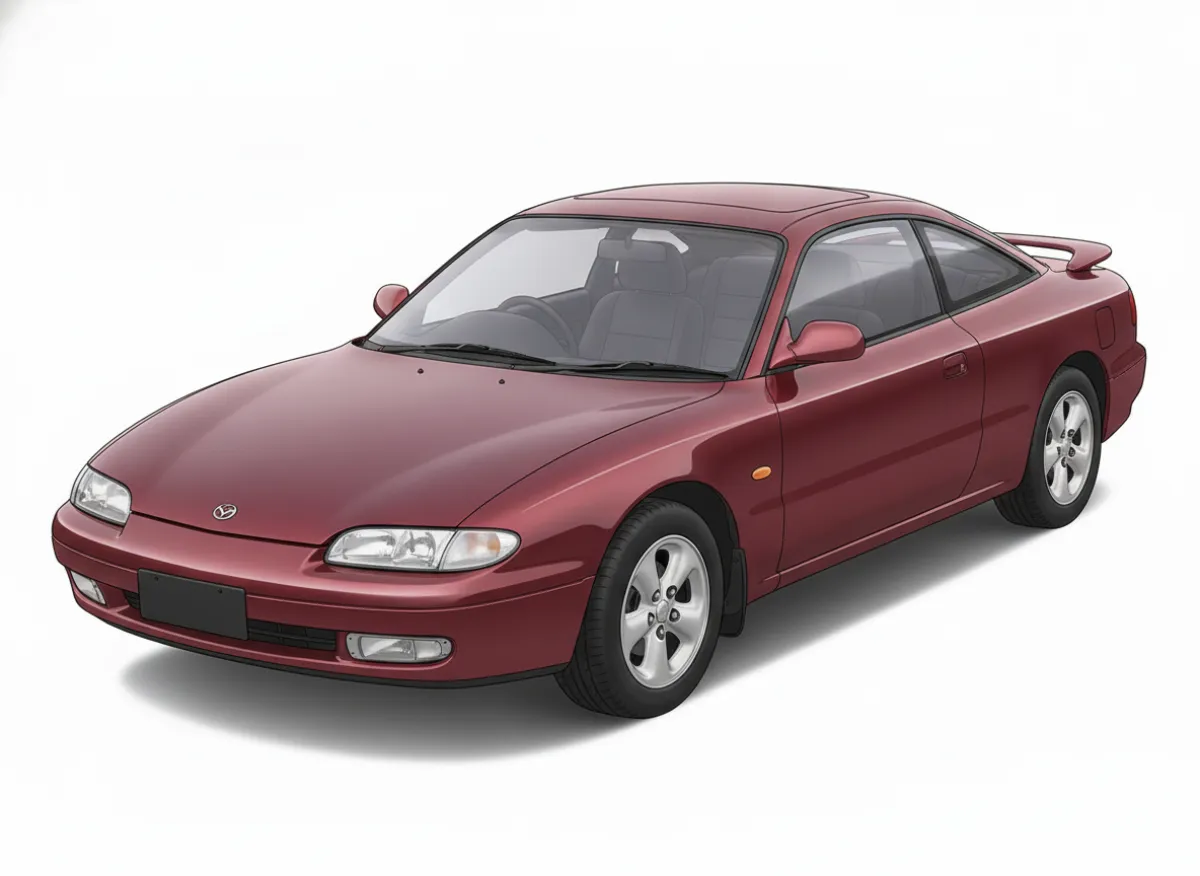
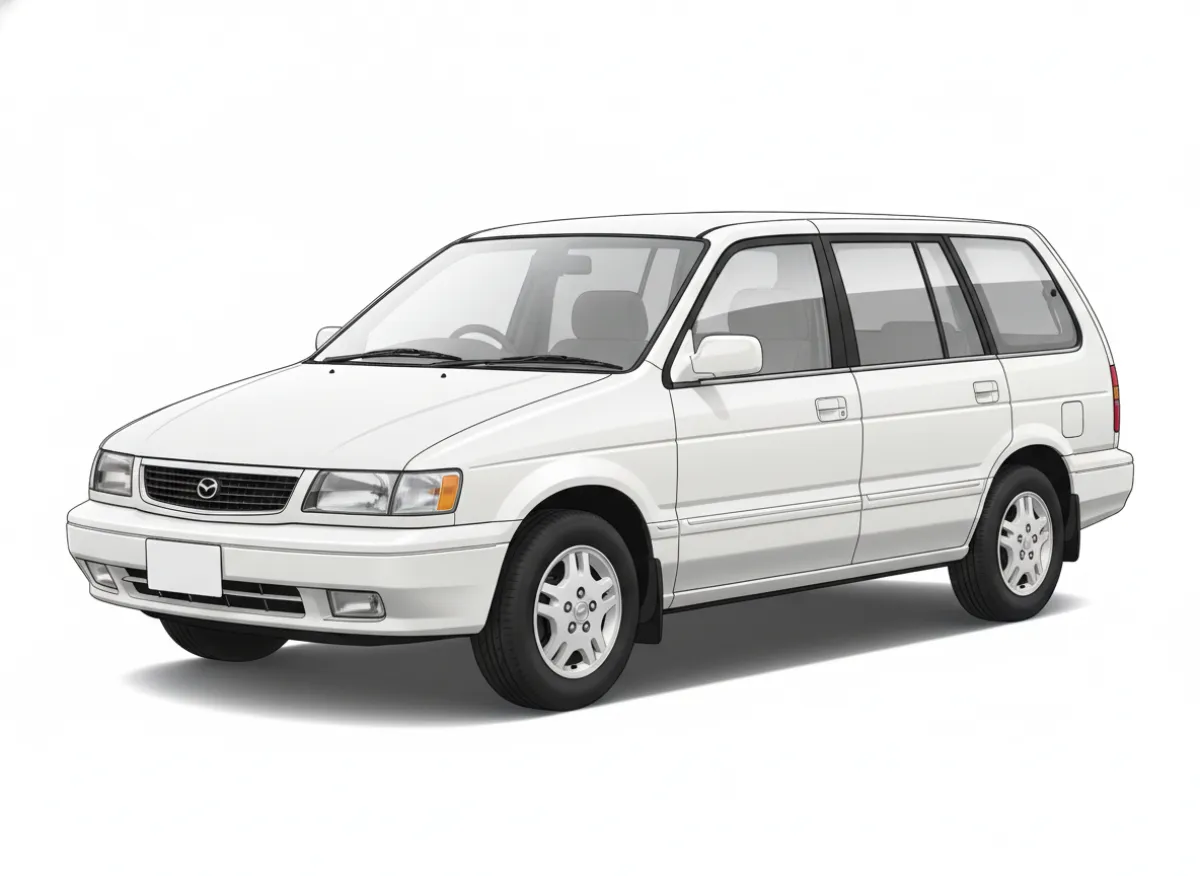
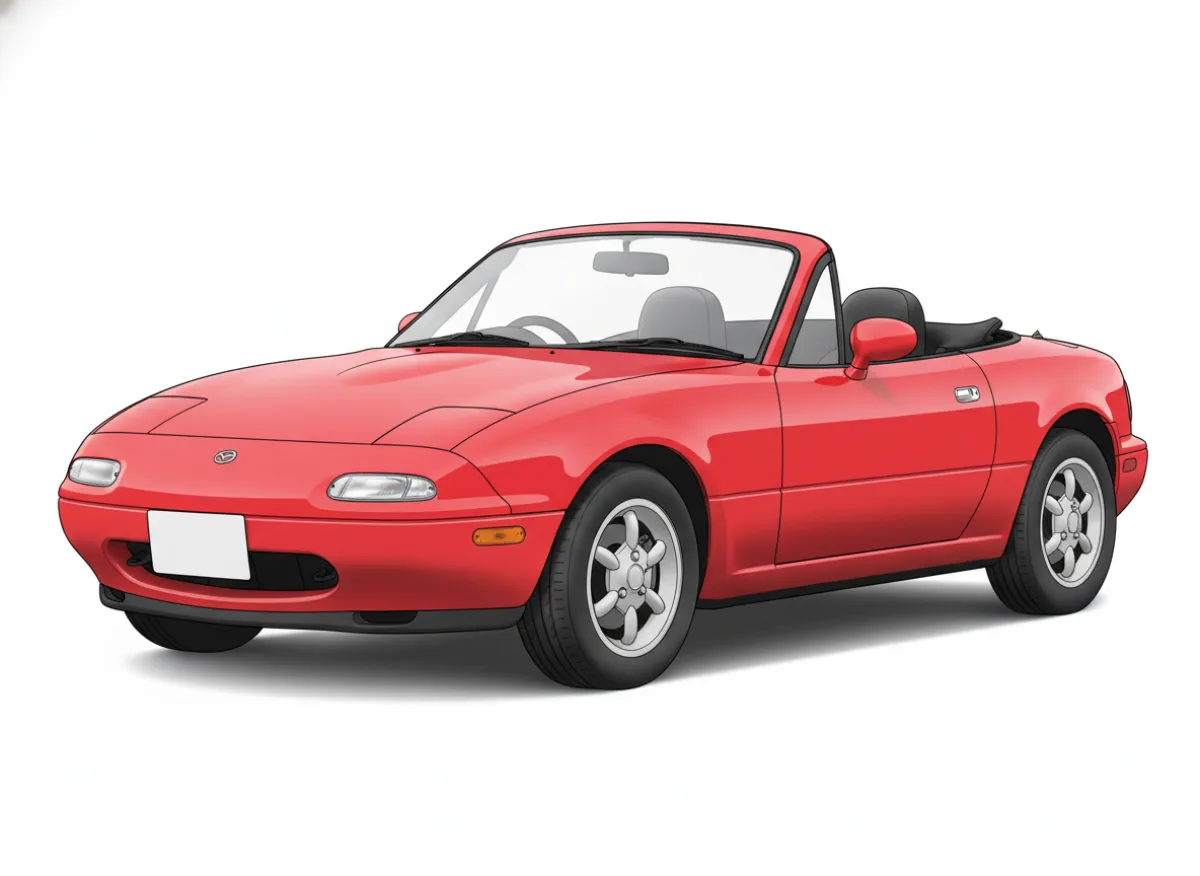
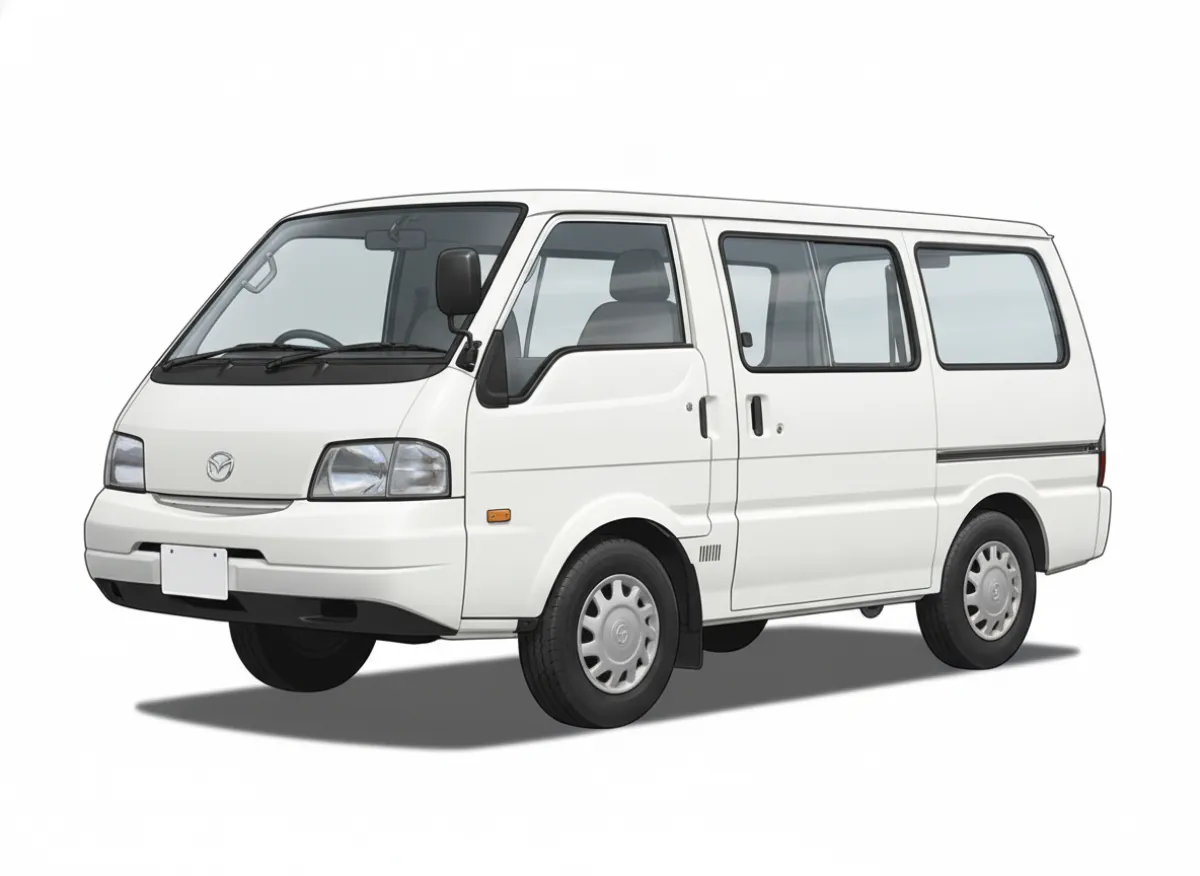
1990s
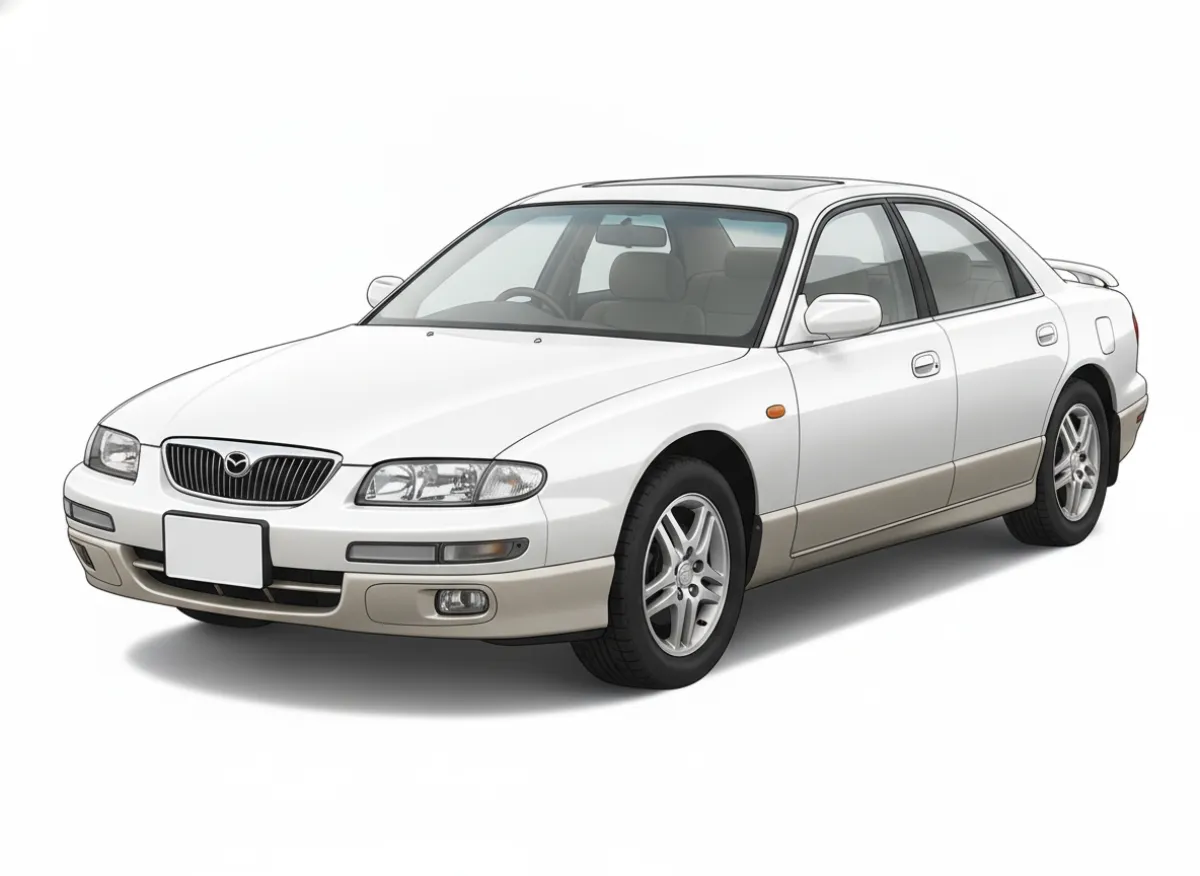
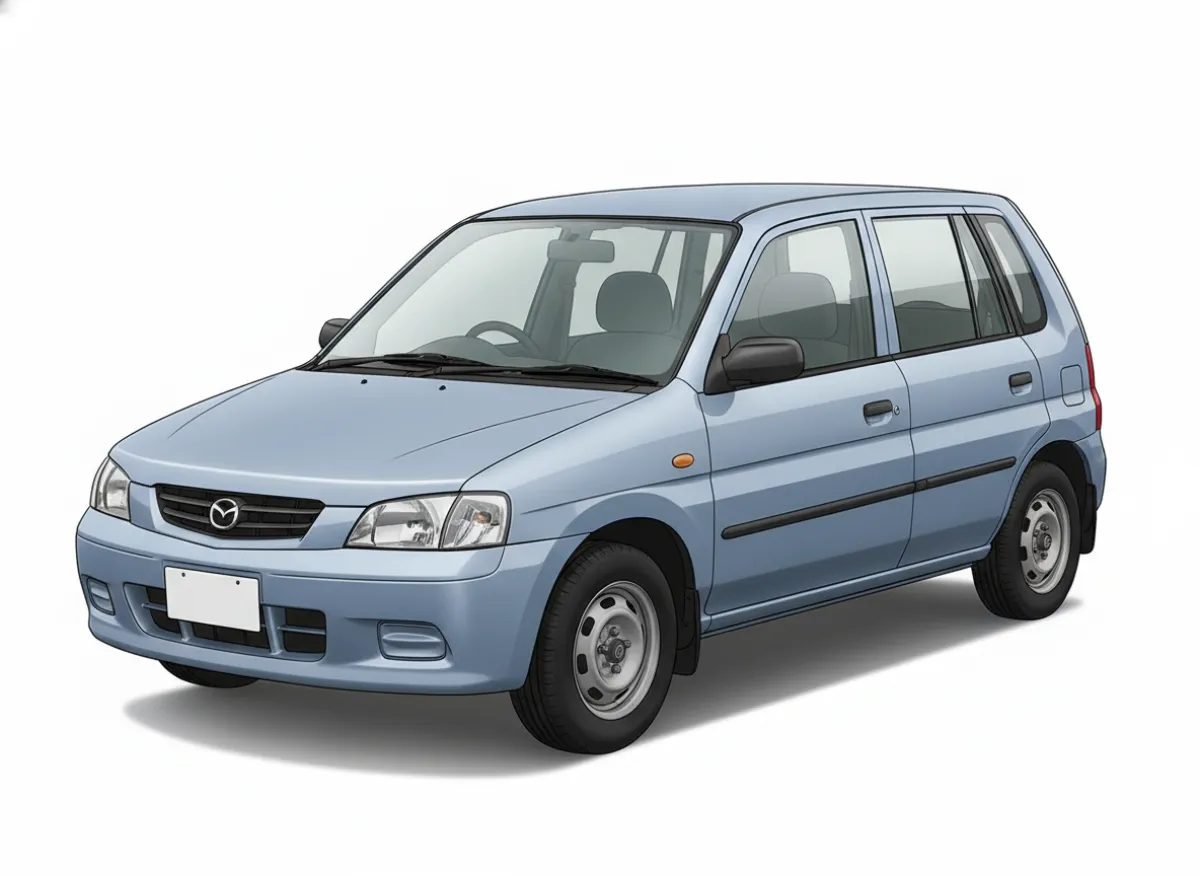
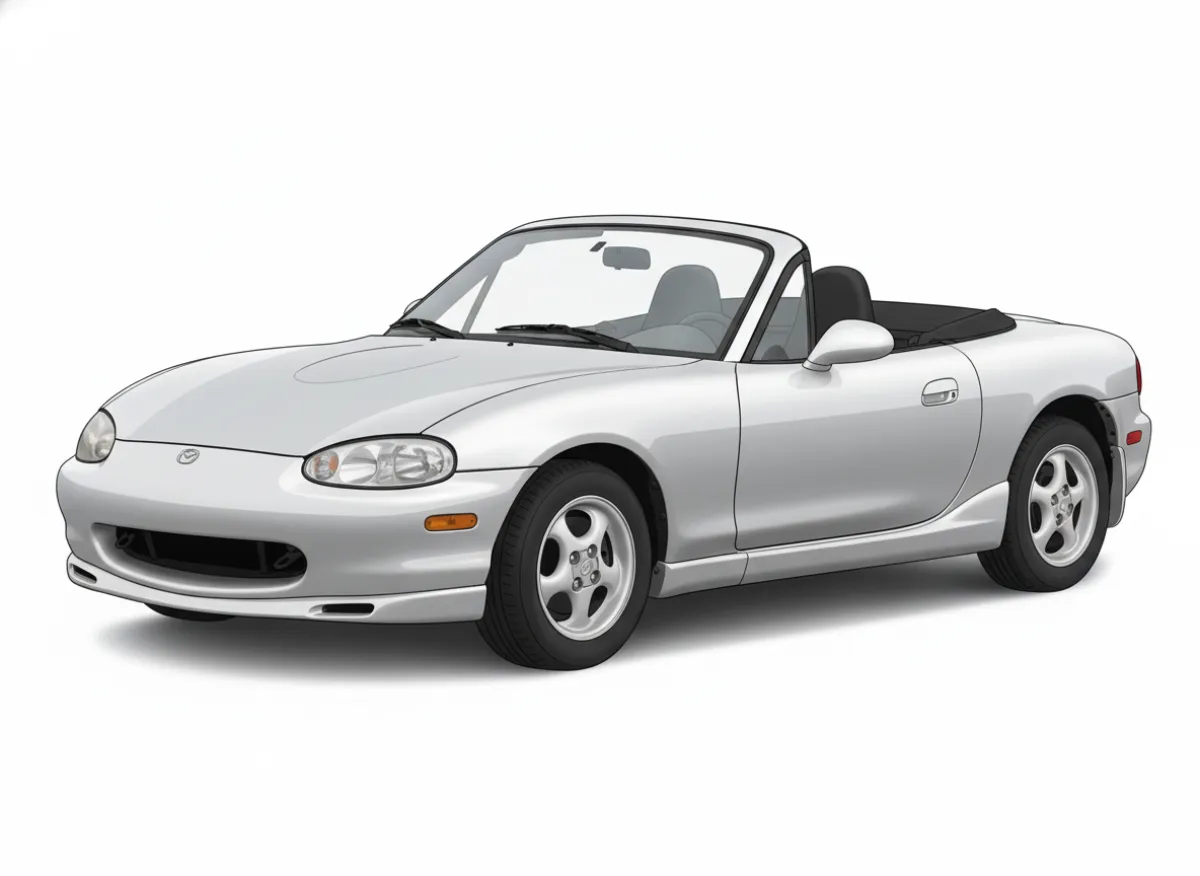
13 launched
2000s
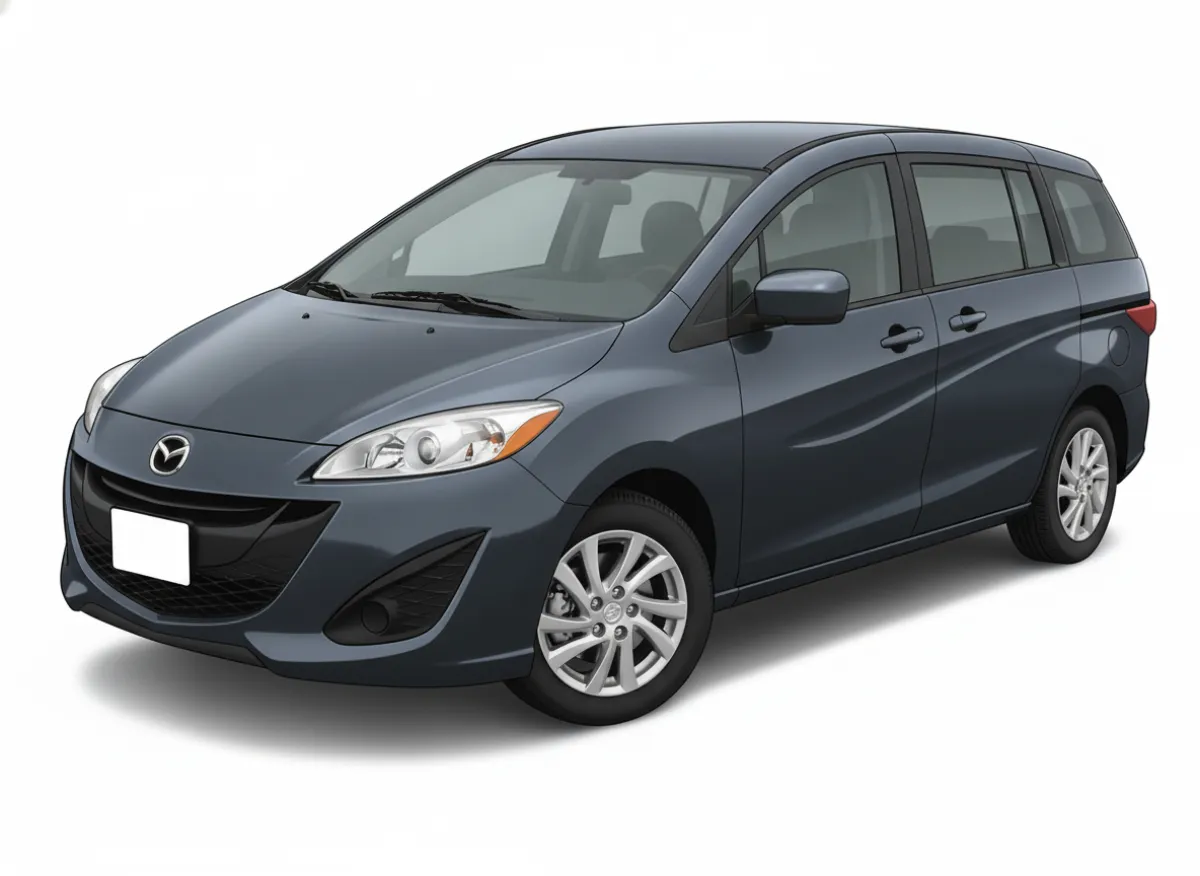
20 launched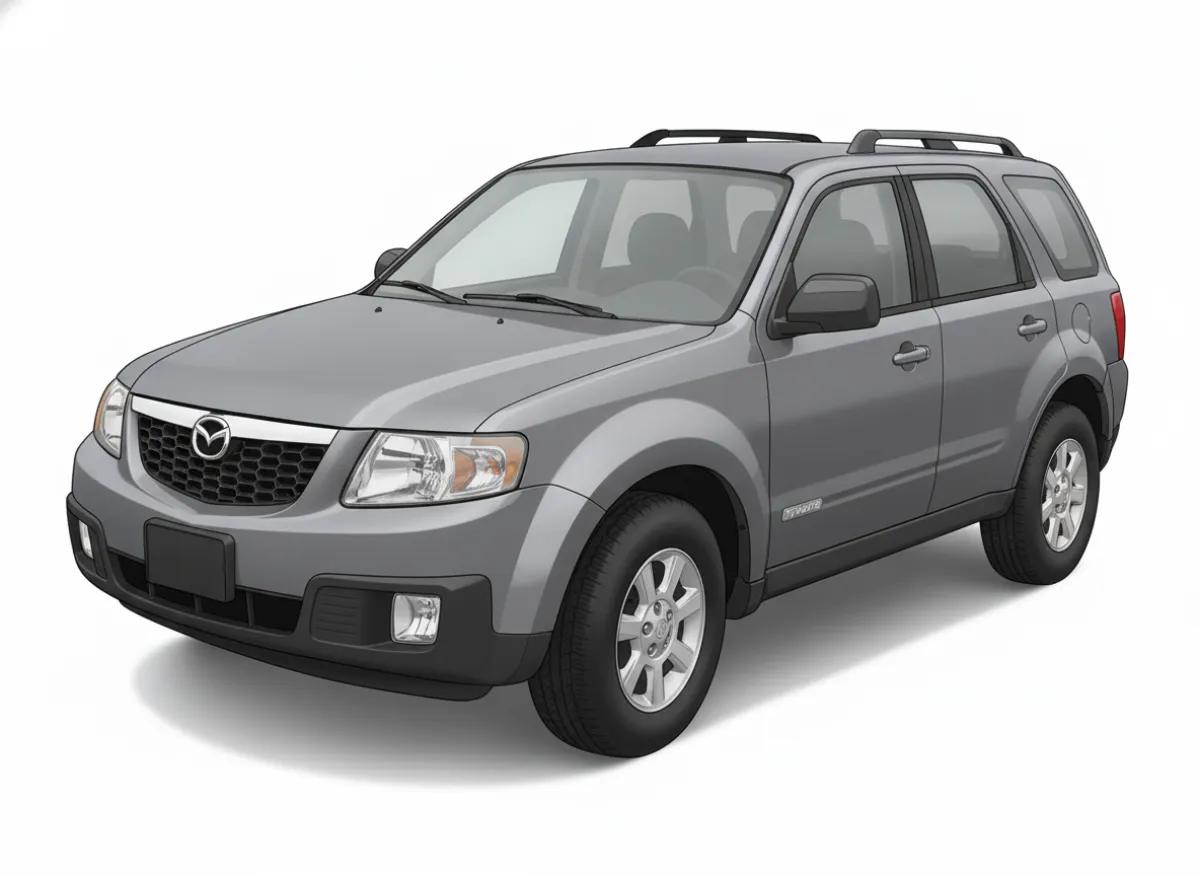 Tribute2000–2011 · 2 gen.
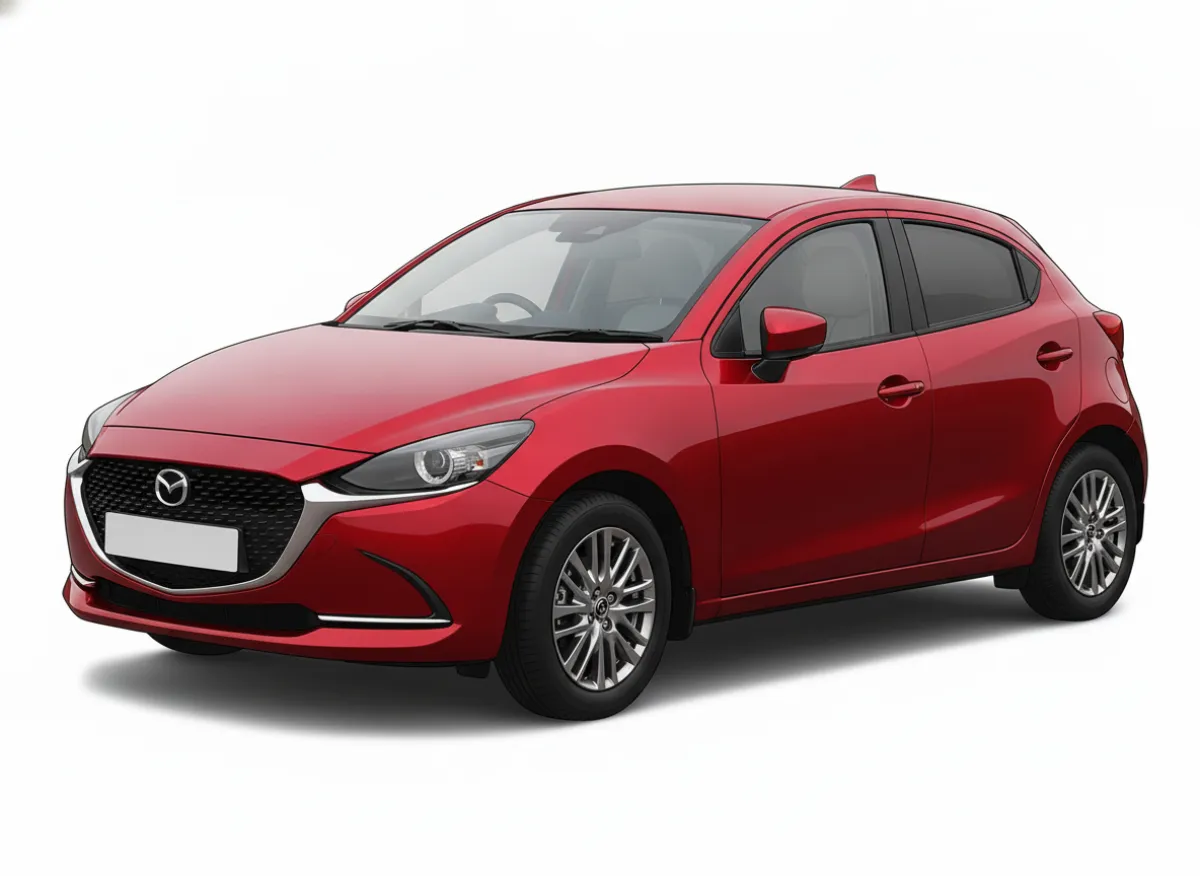 Mazda22002– · 3 gen.
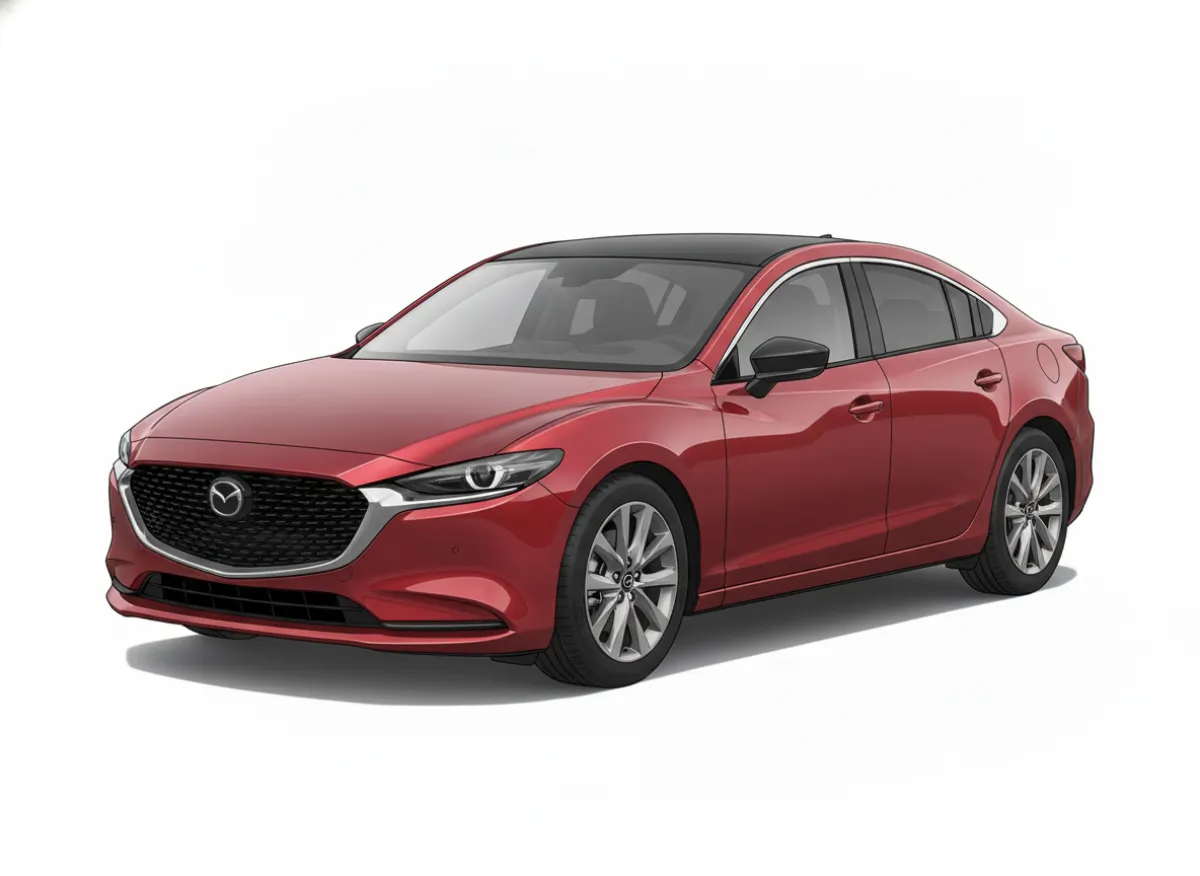
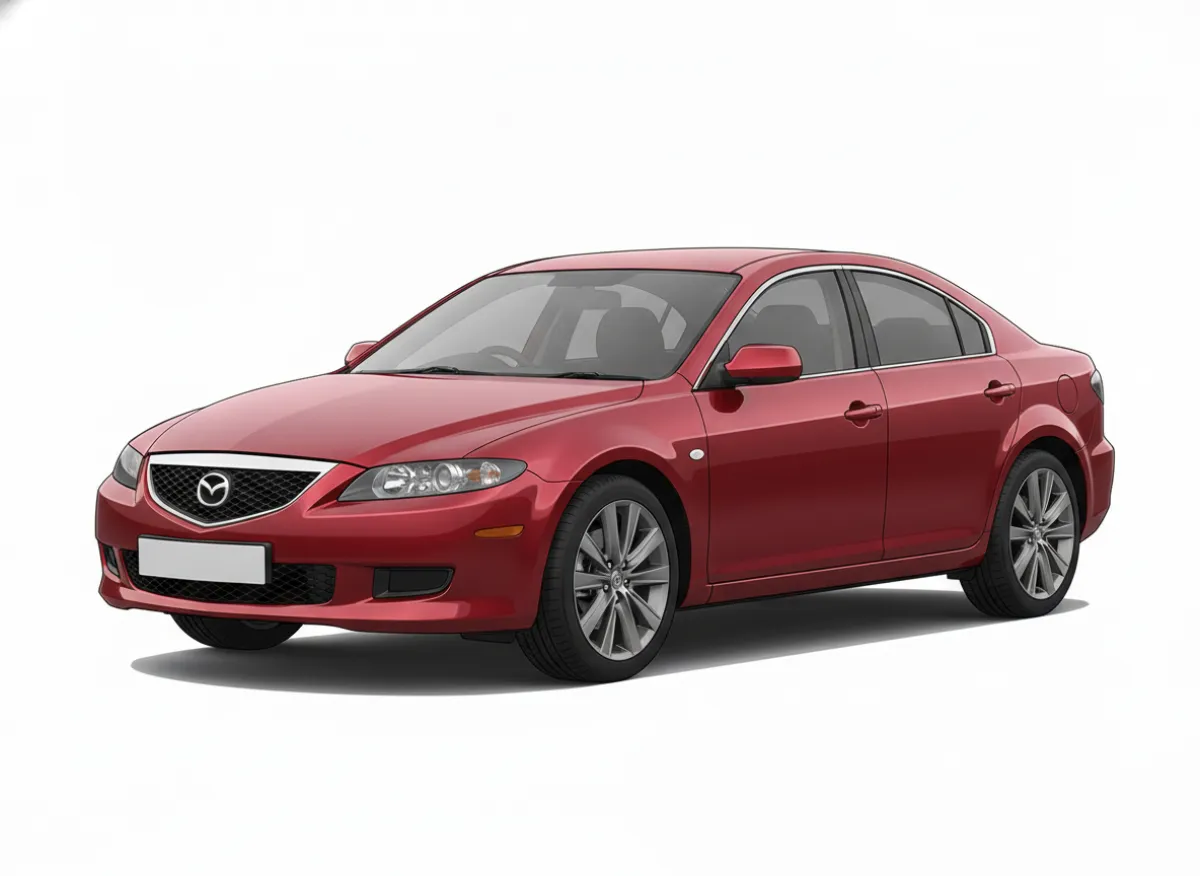 Mazda62002–2024 · 3 gen.
- Ibuki2003
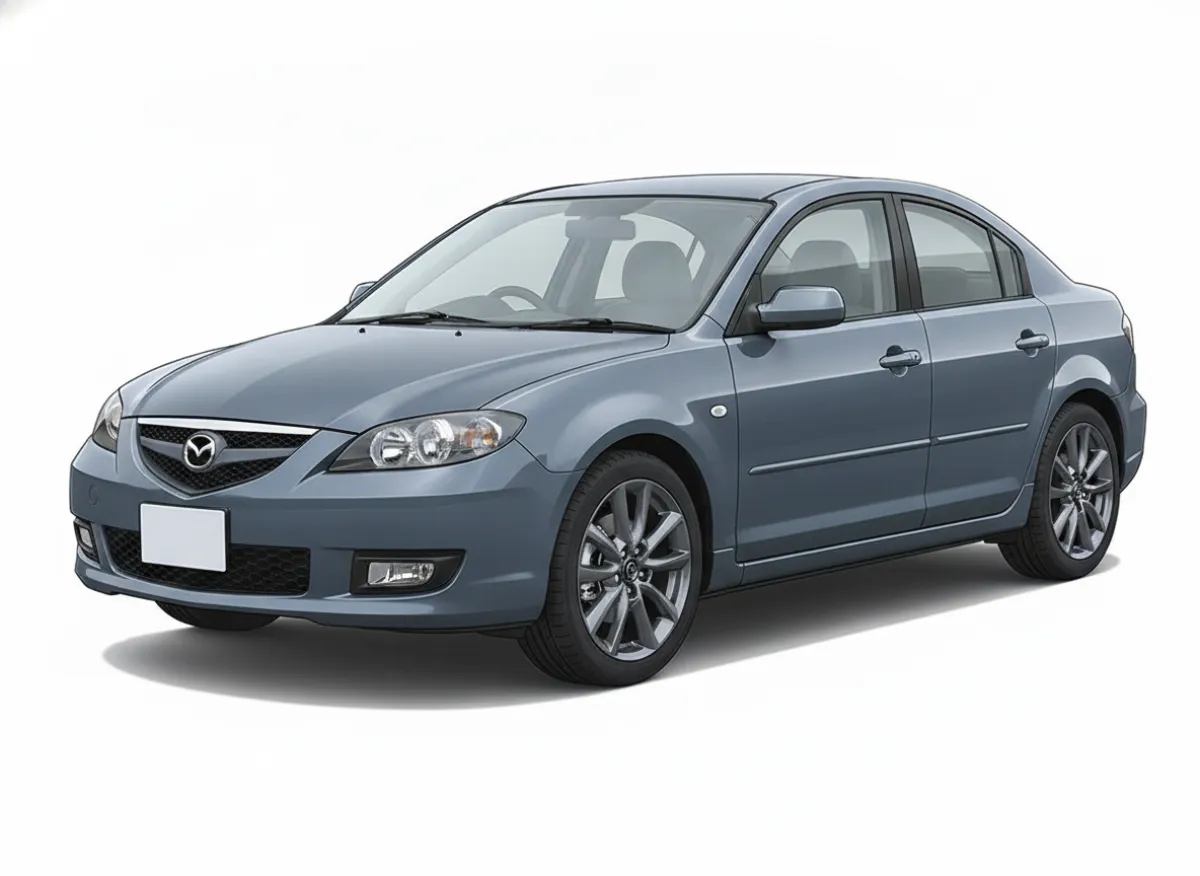 Mazda32003– · 4 gen.
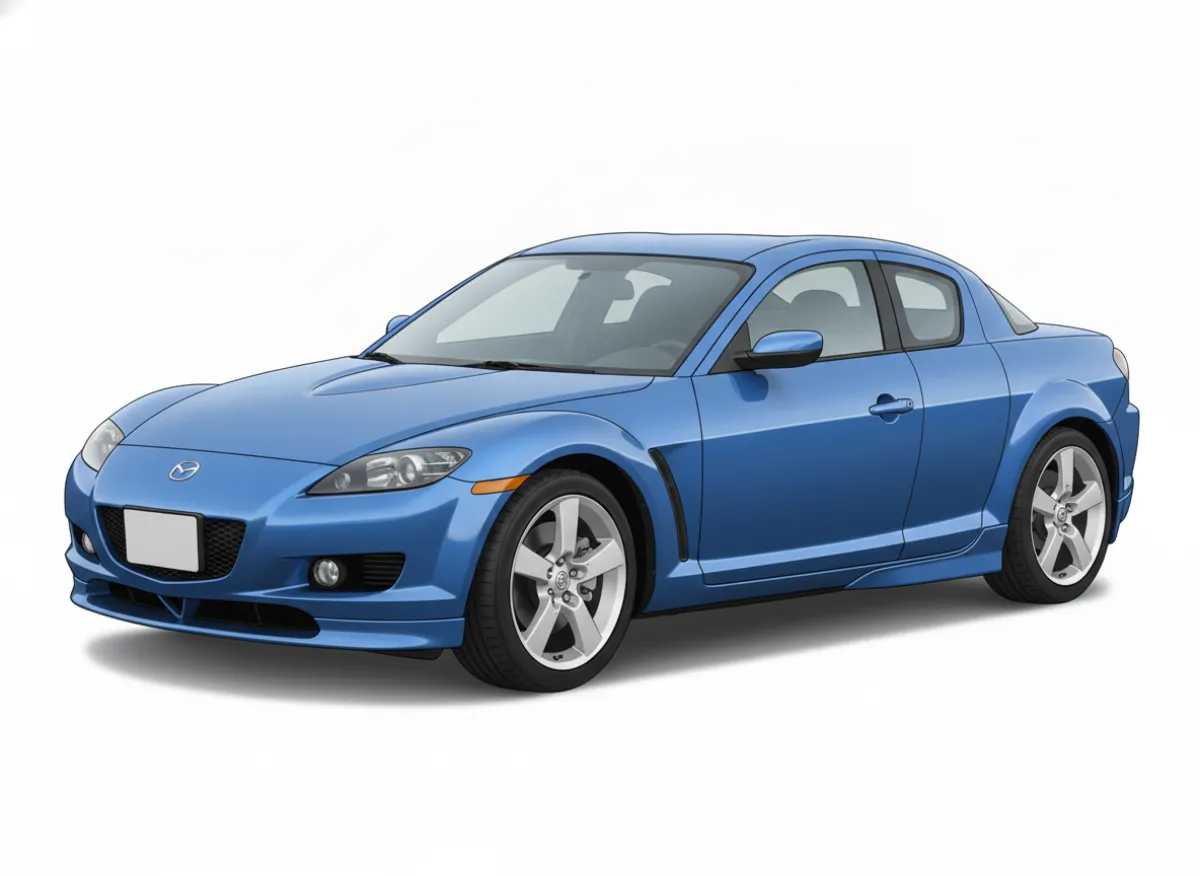 RX-82003–2012
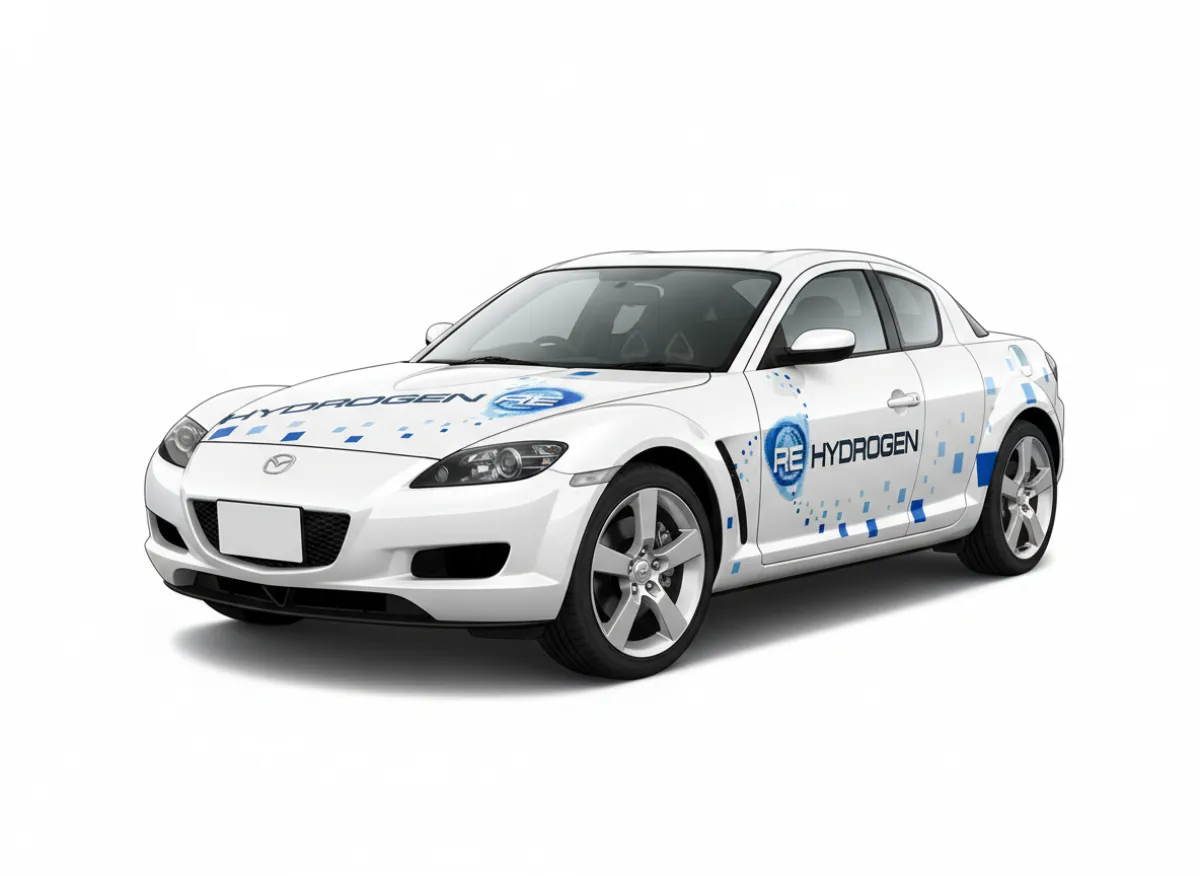 RX-8 Hydrogen RE2003–2006
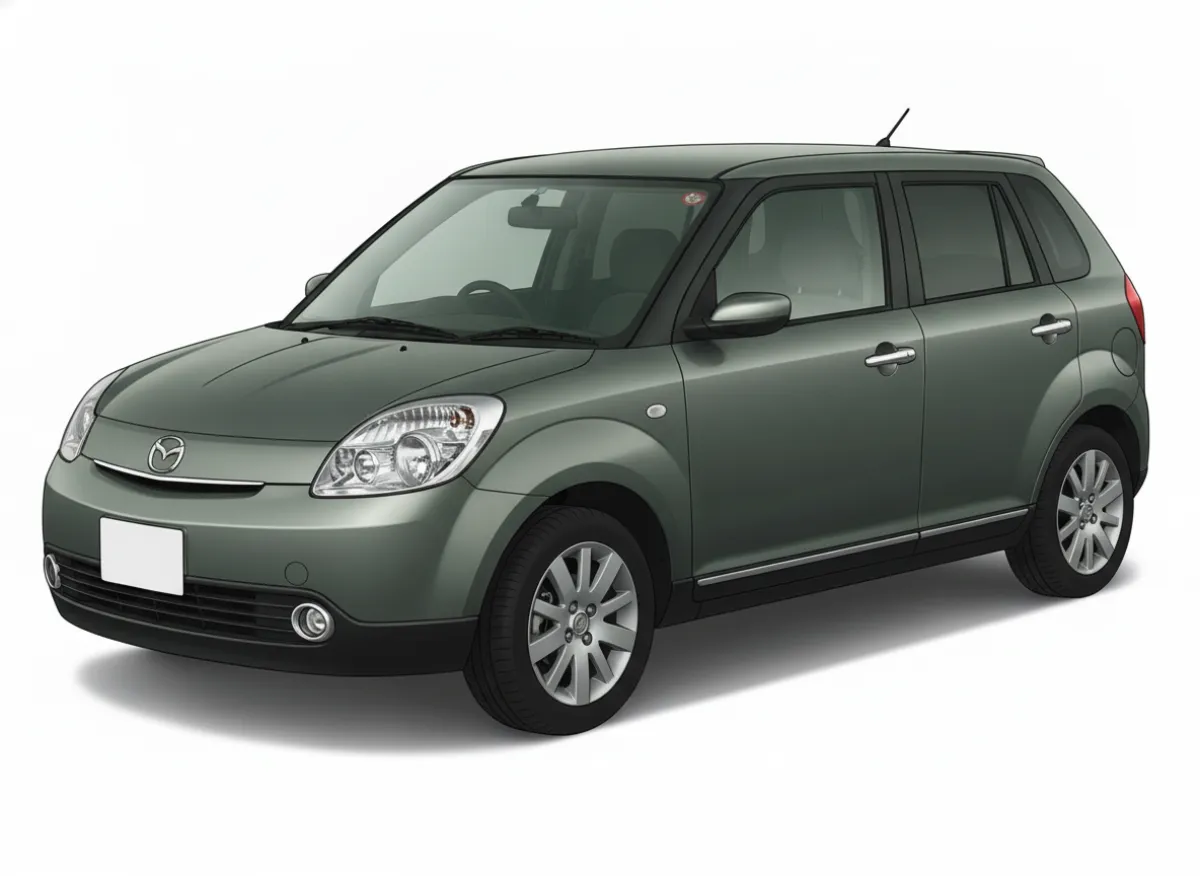 Verisa2004–2015
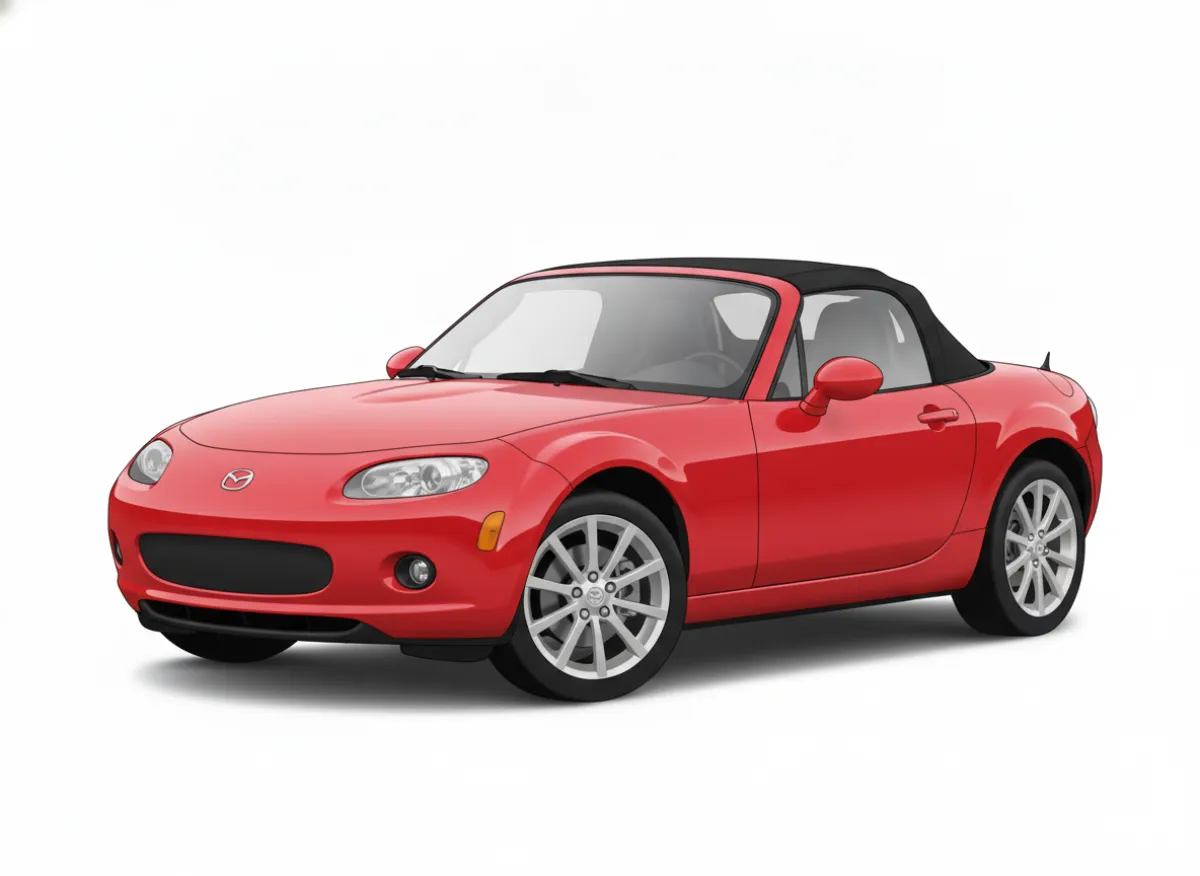 MX-5 (NC)2005–2015
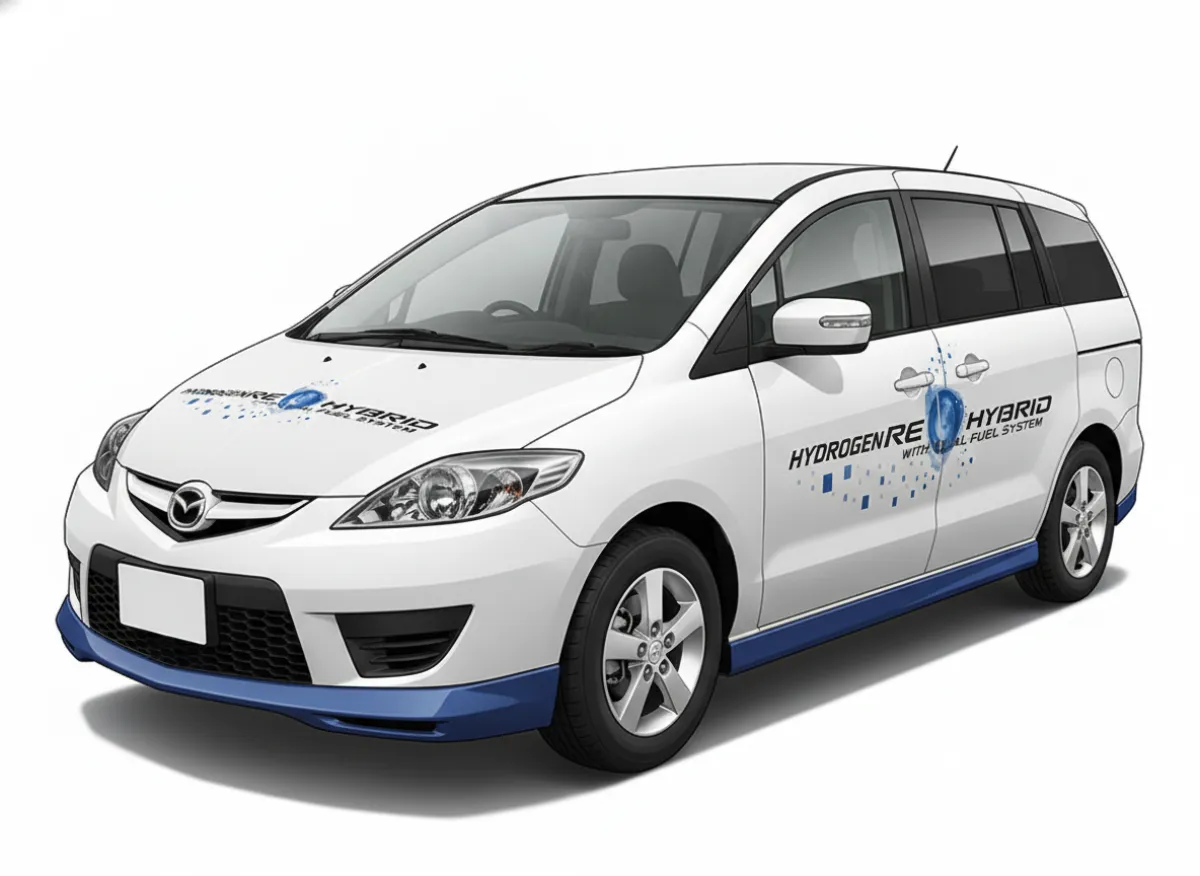 Premacy Hydrogen RE Hybrid2005–2007
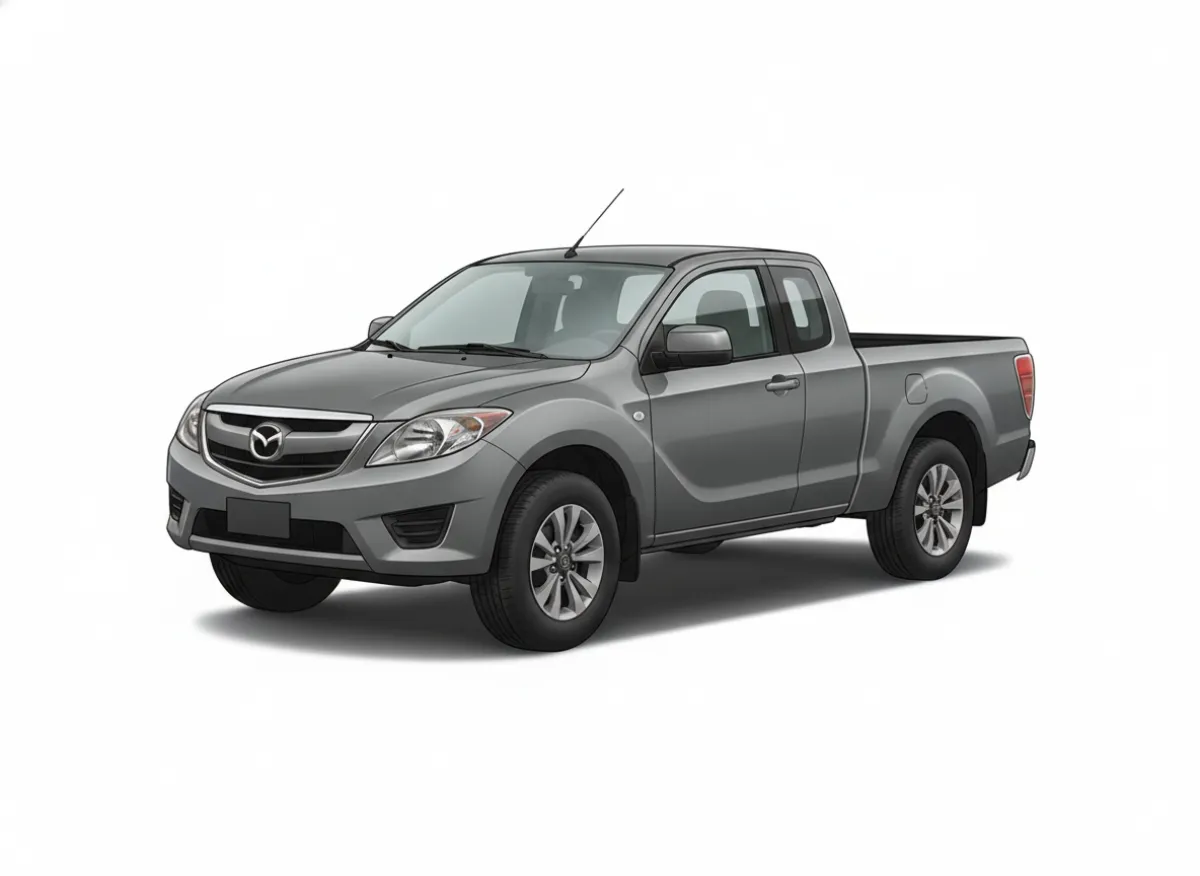 BT-502006– · 3 gen.
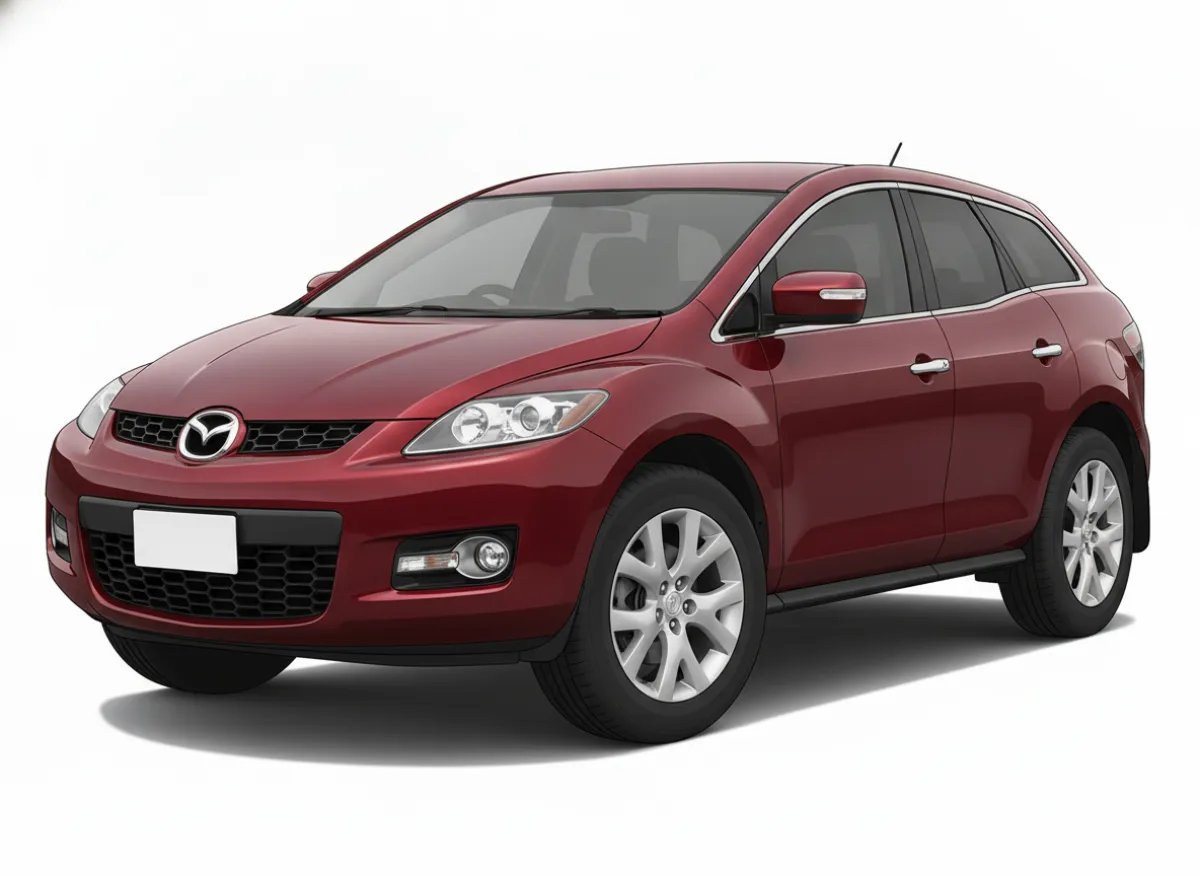 CX-72006–2012
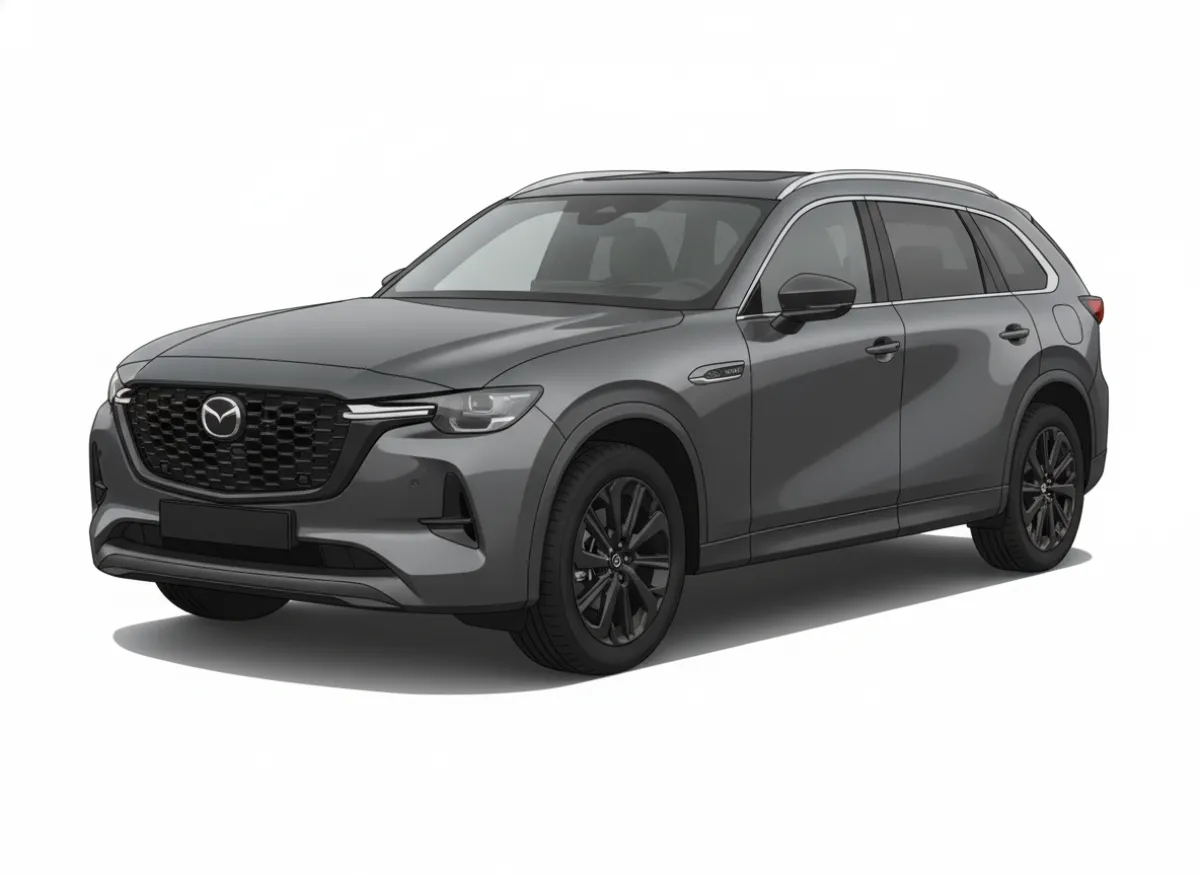
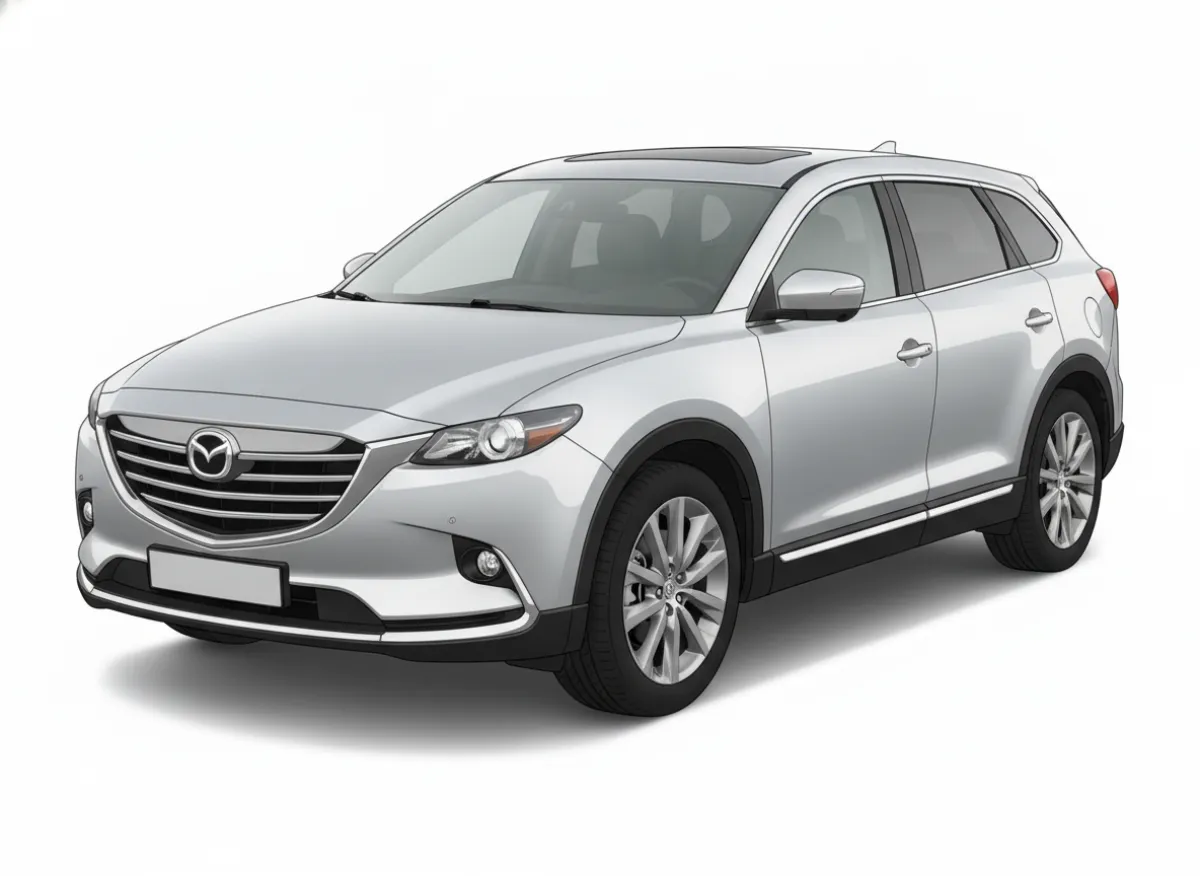 CX-92006–2023 · 2 gen.
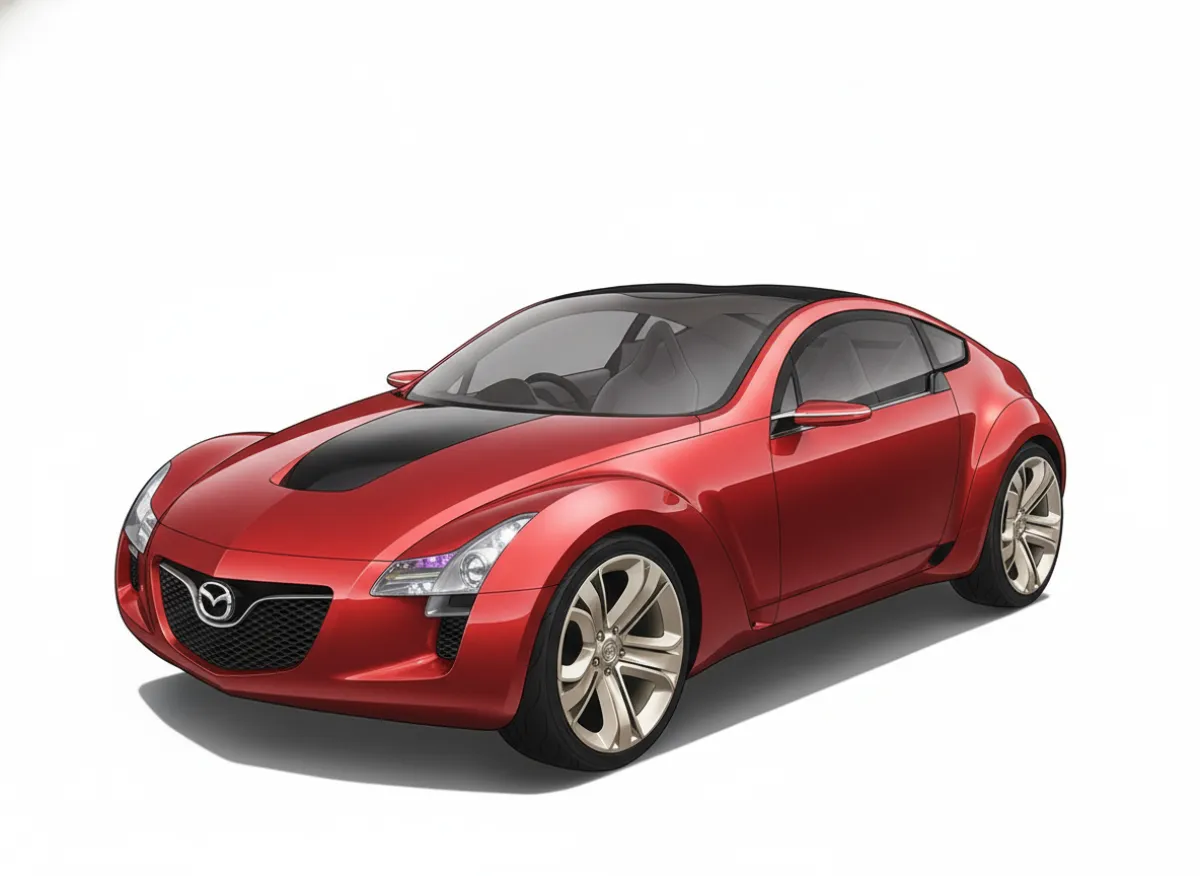
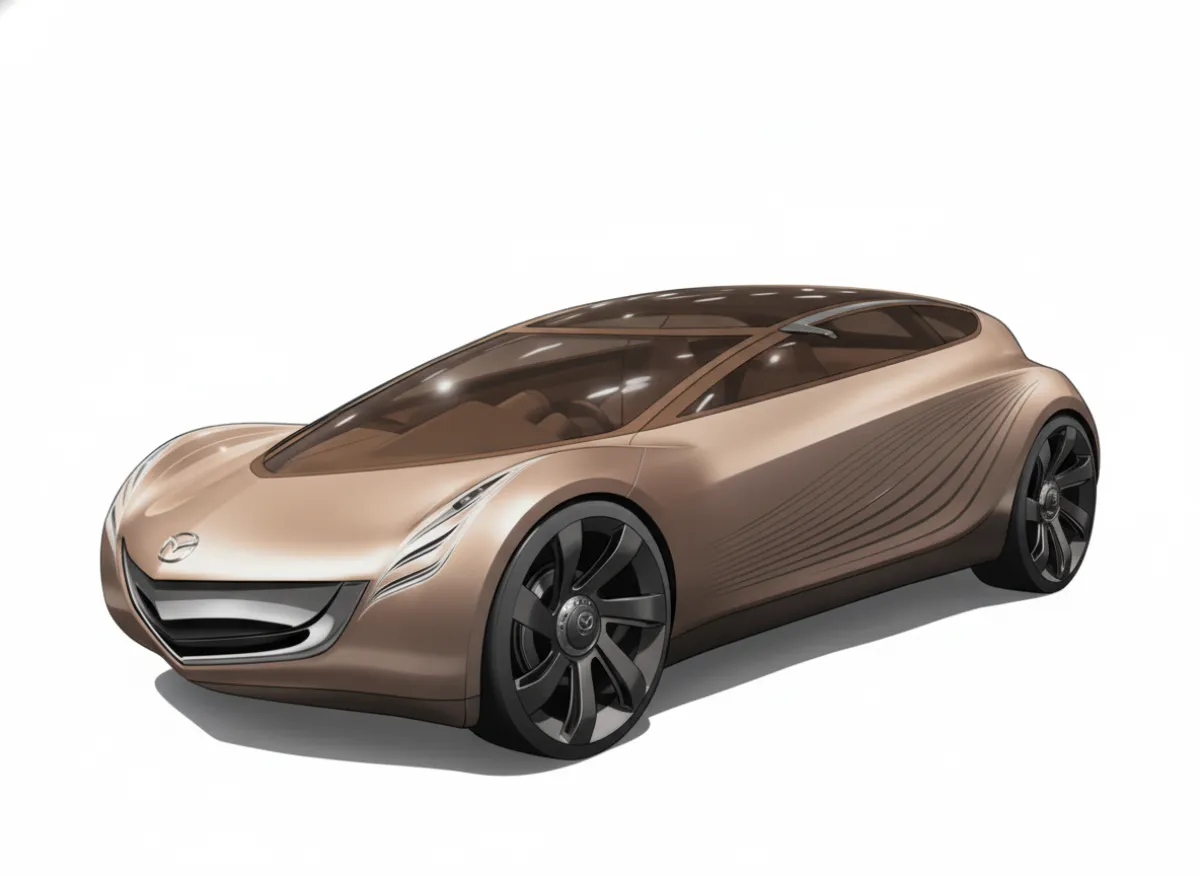 Nagare2006
- Nagare (car design)2006–2007
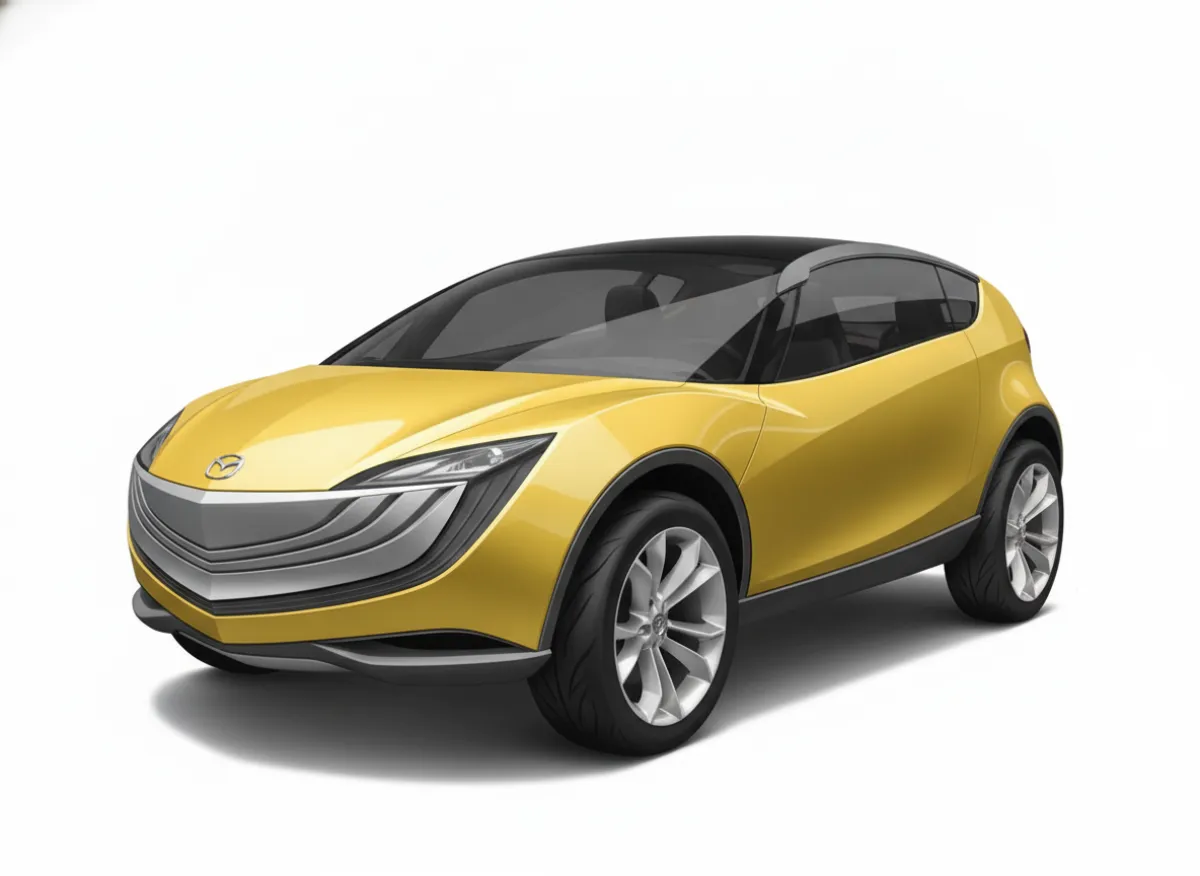 Hakaze2007
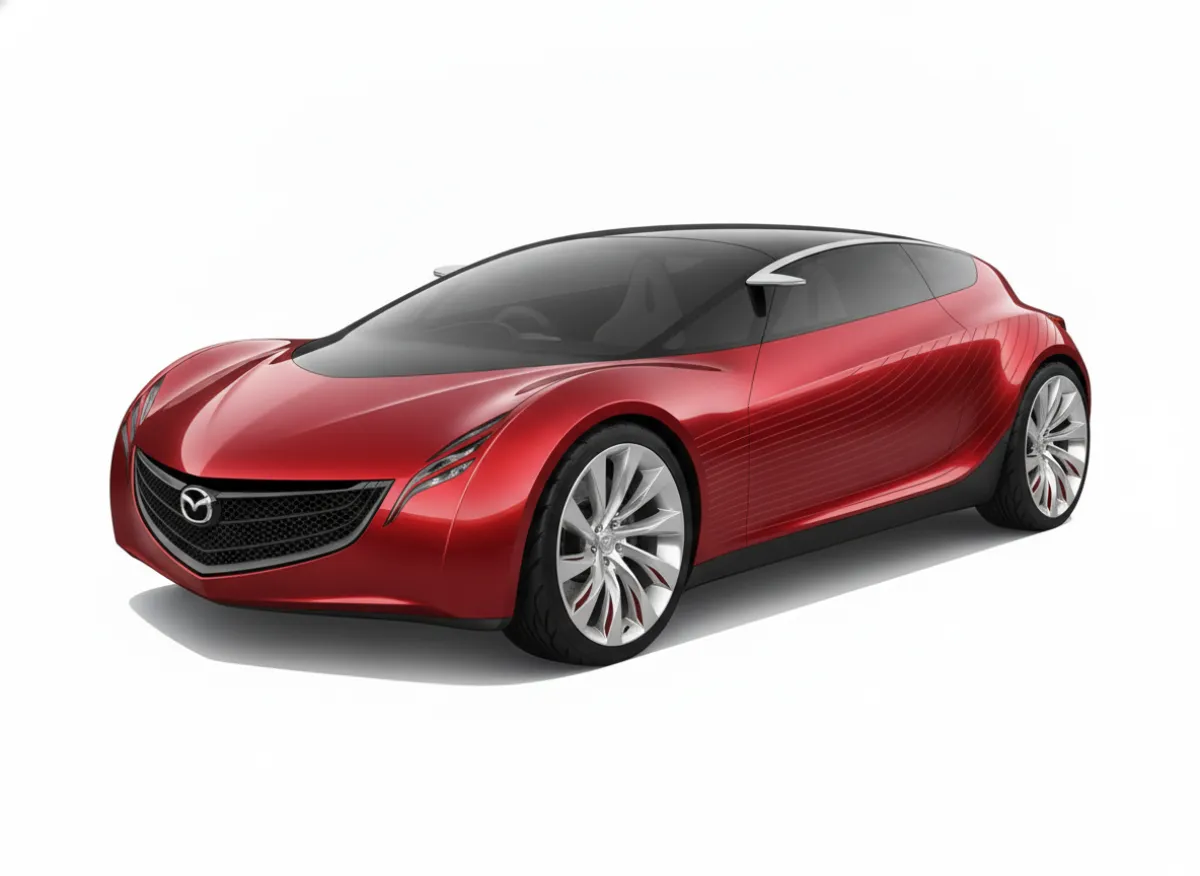 Ryuga2007
 Taiki2007
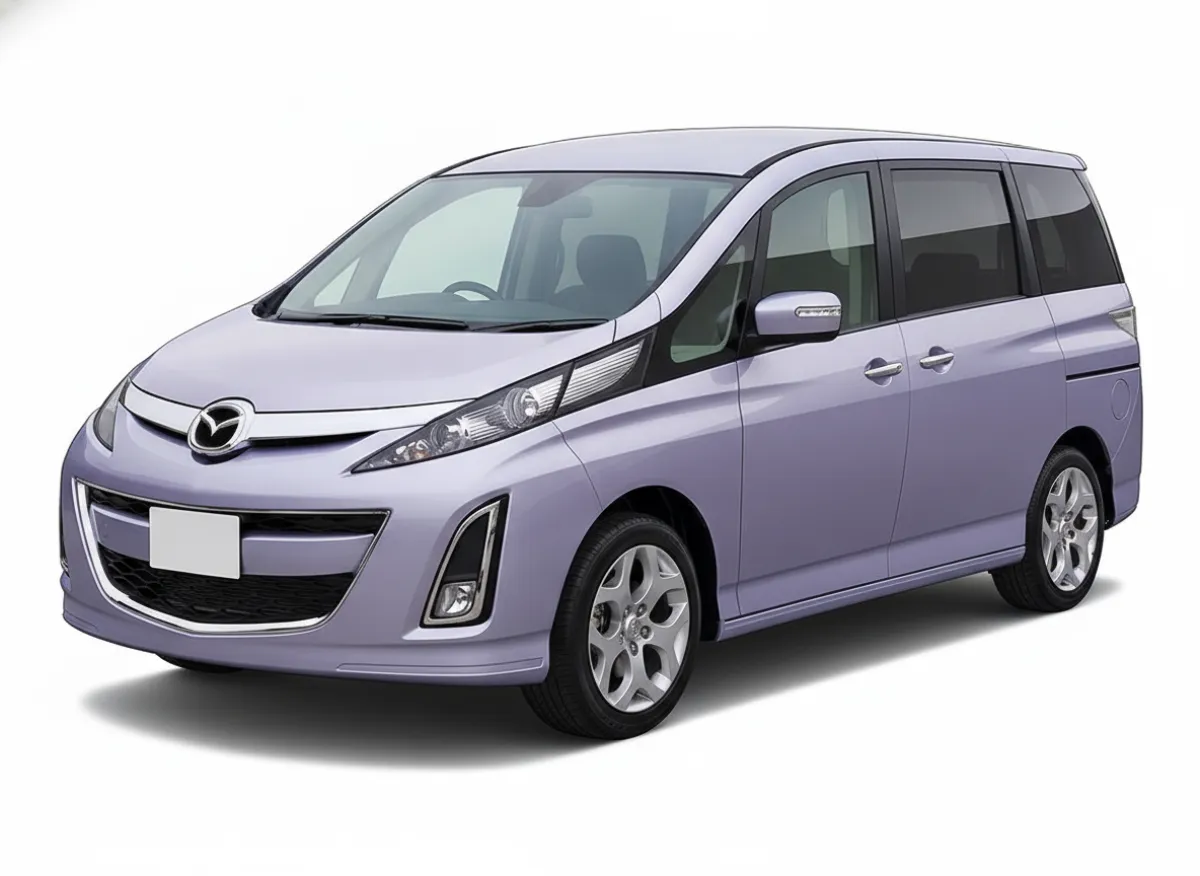 Biante2008–2018
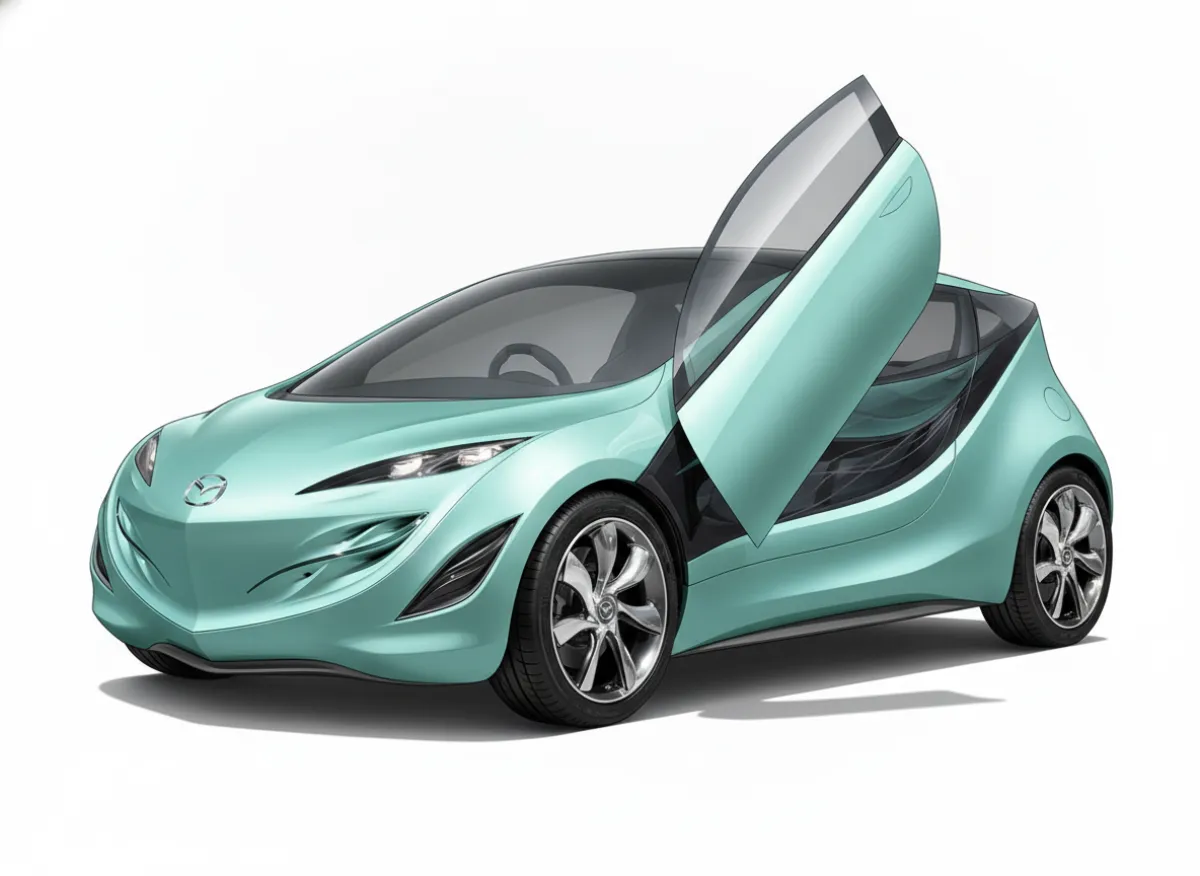
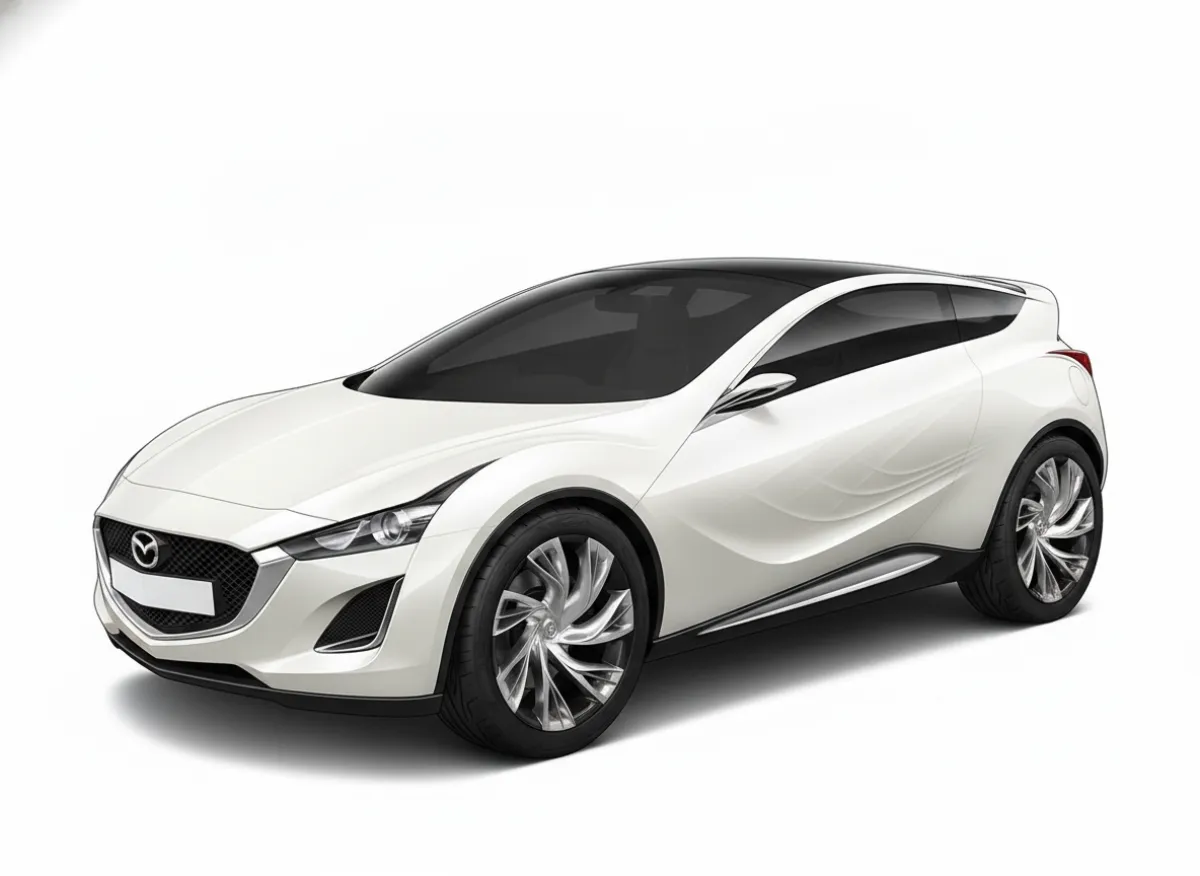 Kazamai2008
2010s
10 launched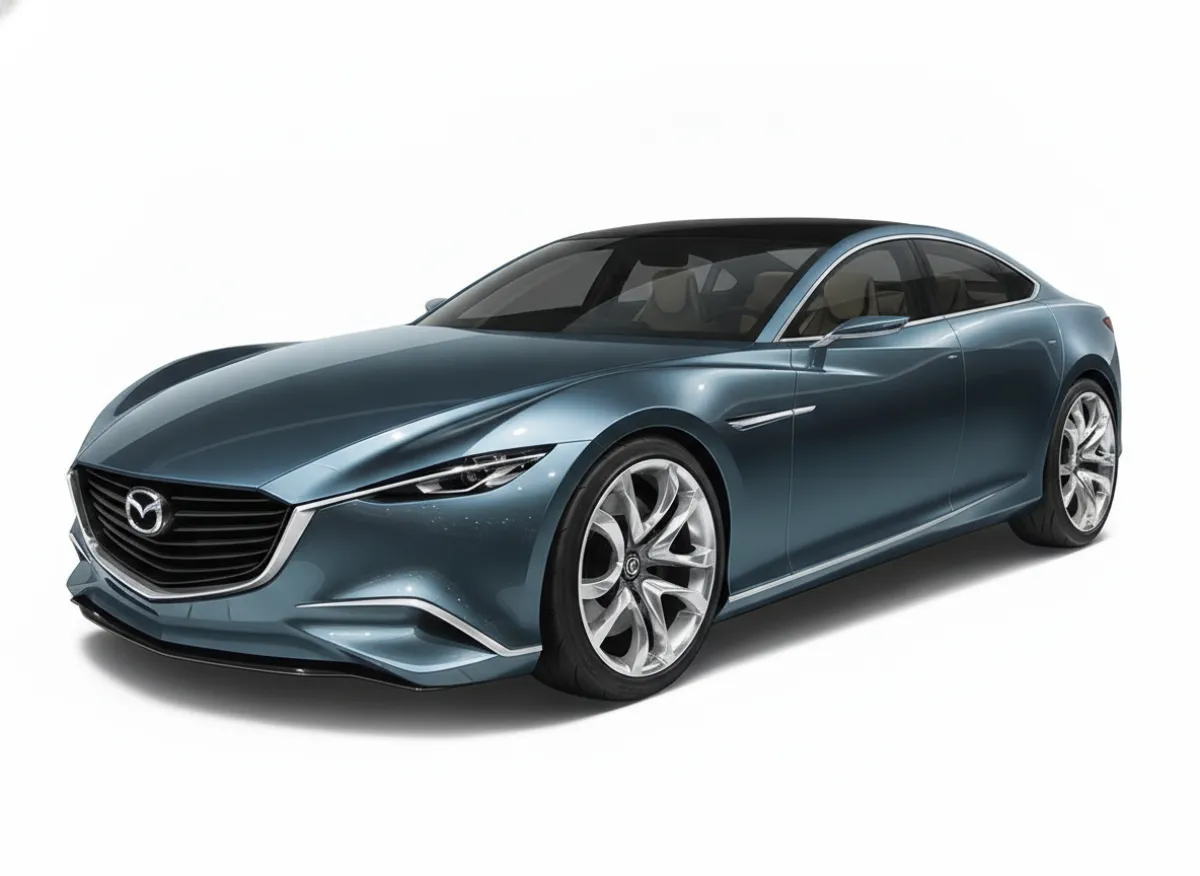
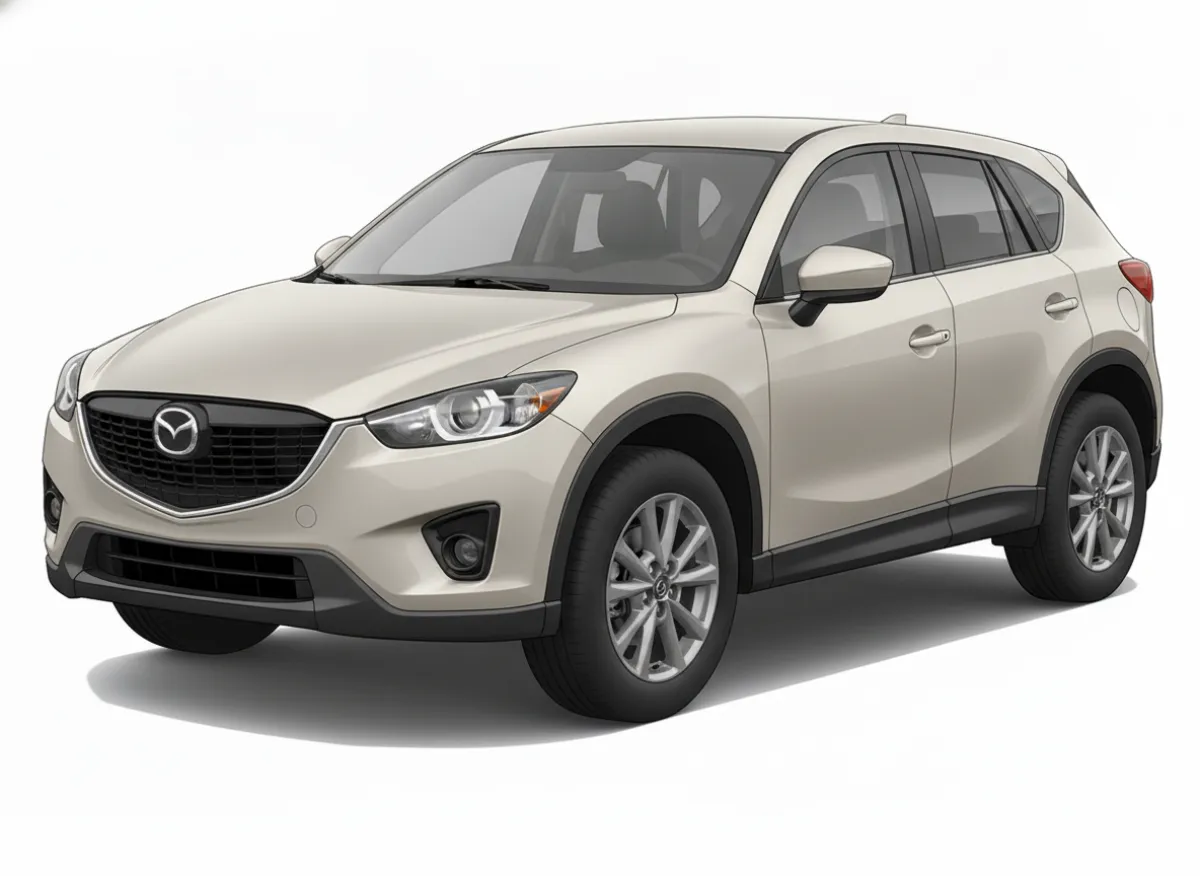
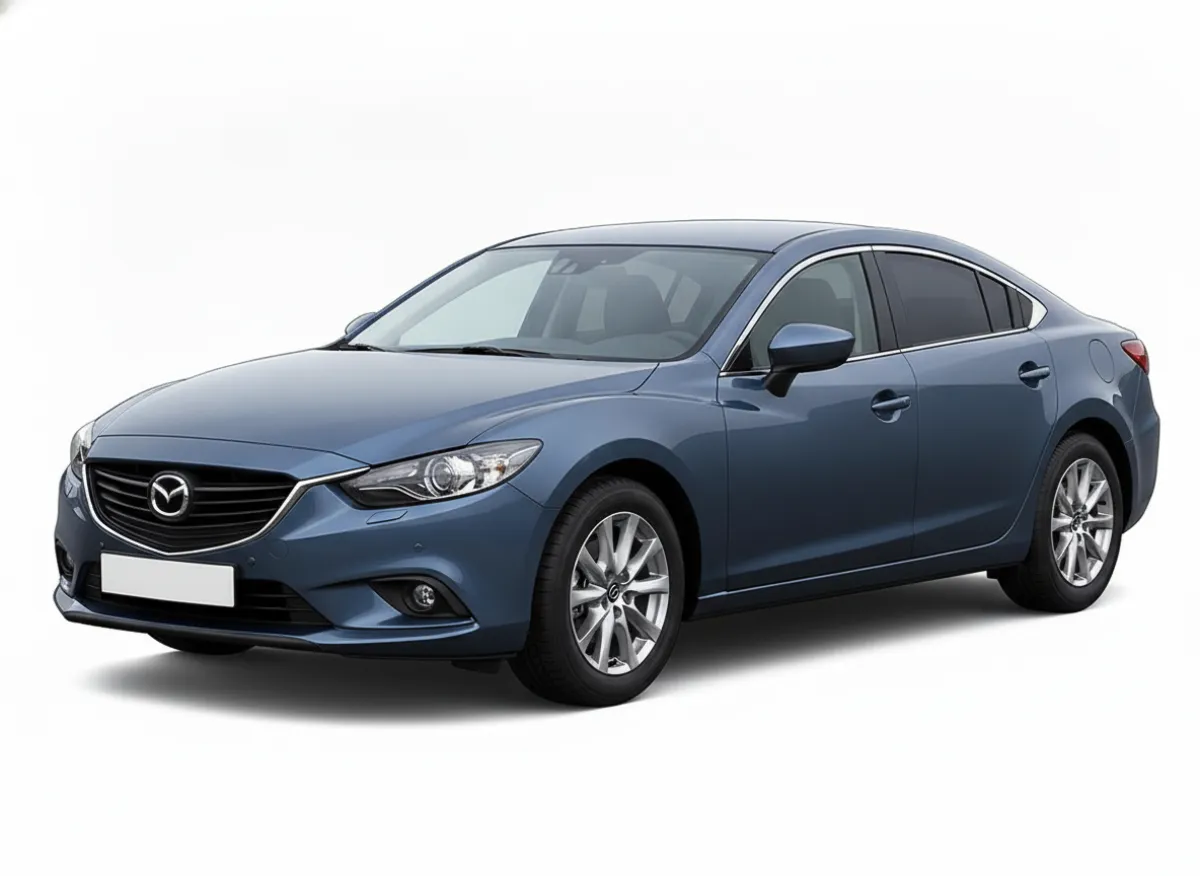
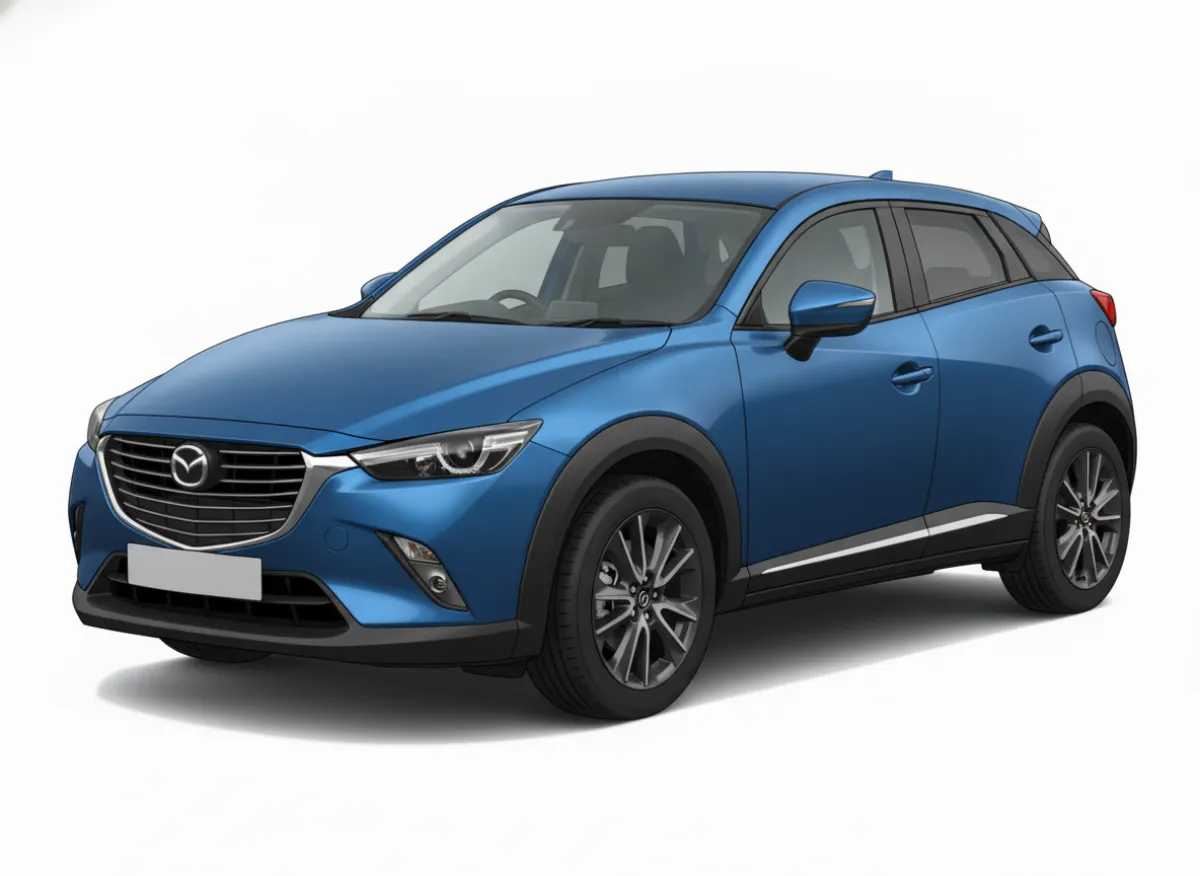
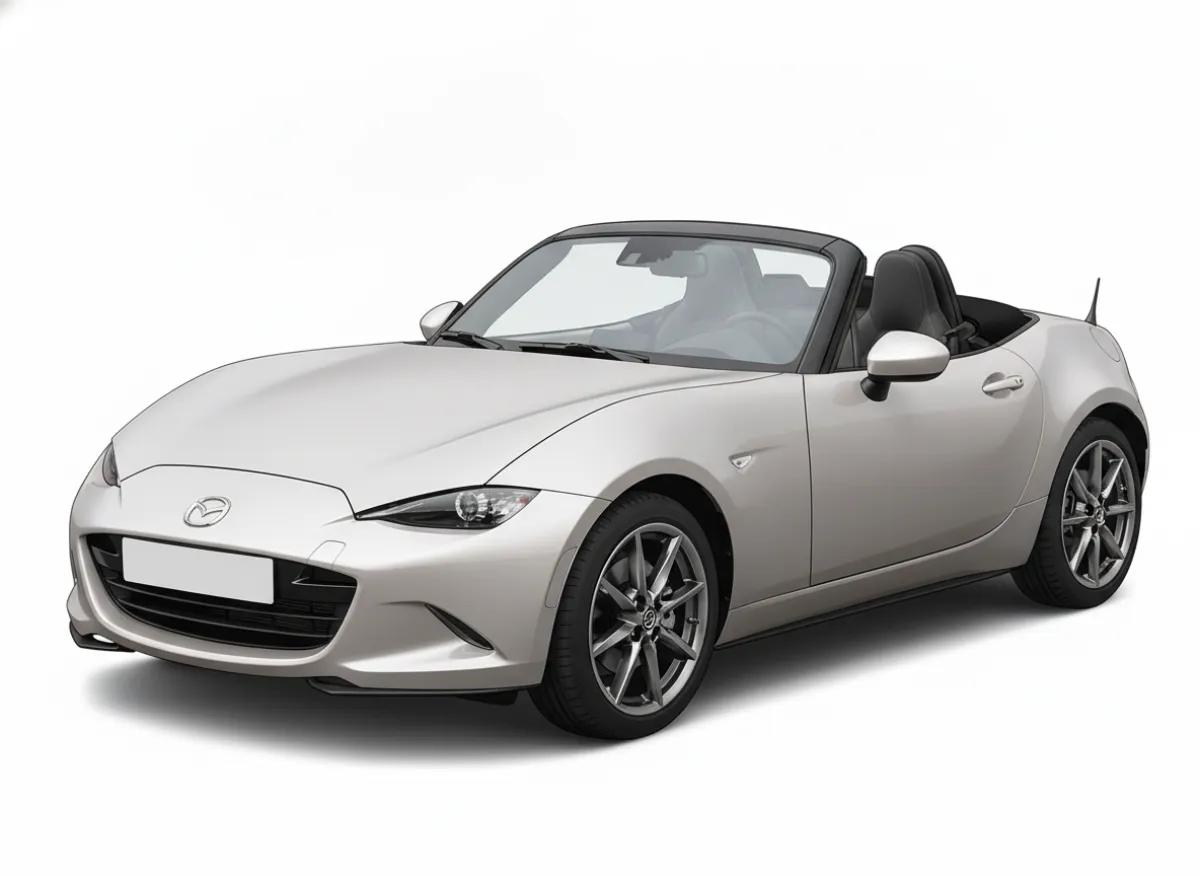
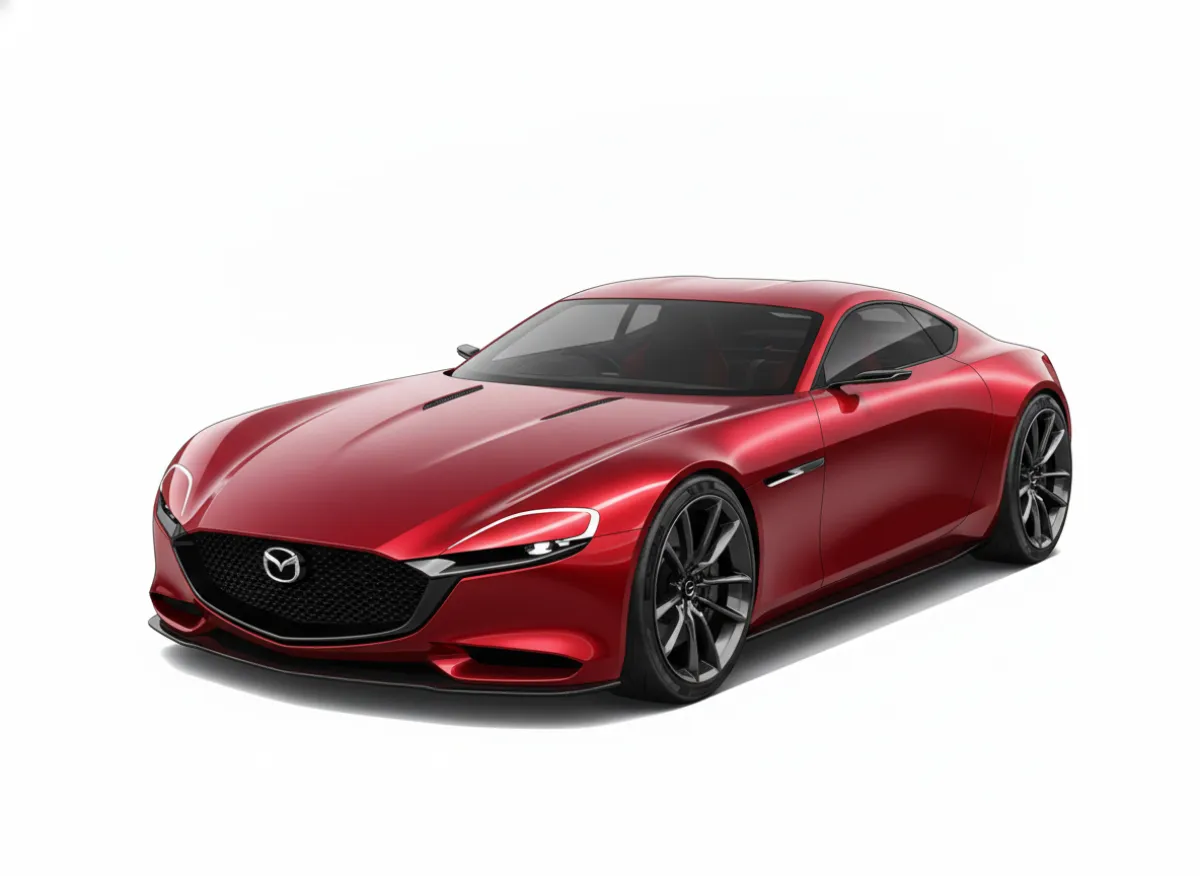
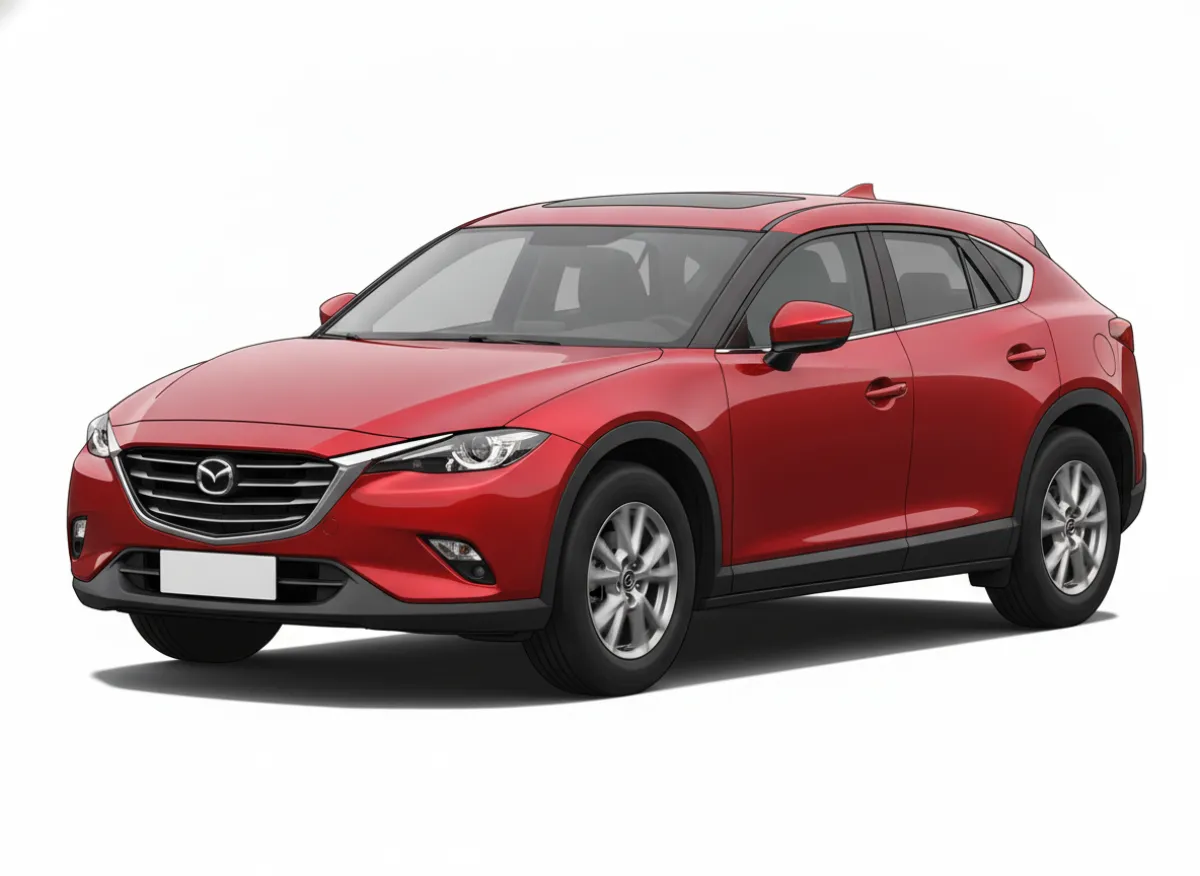
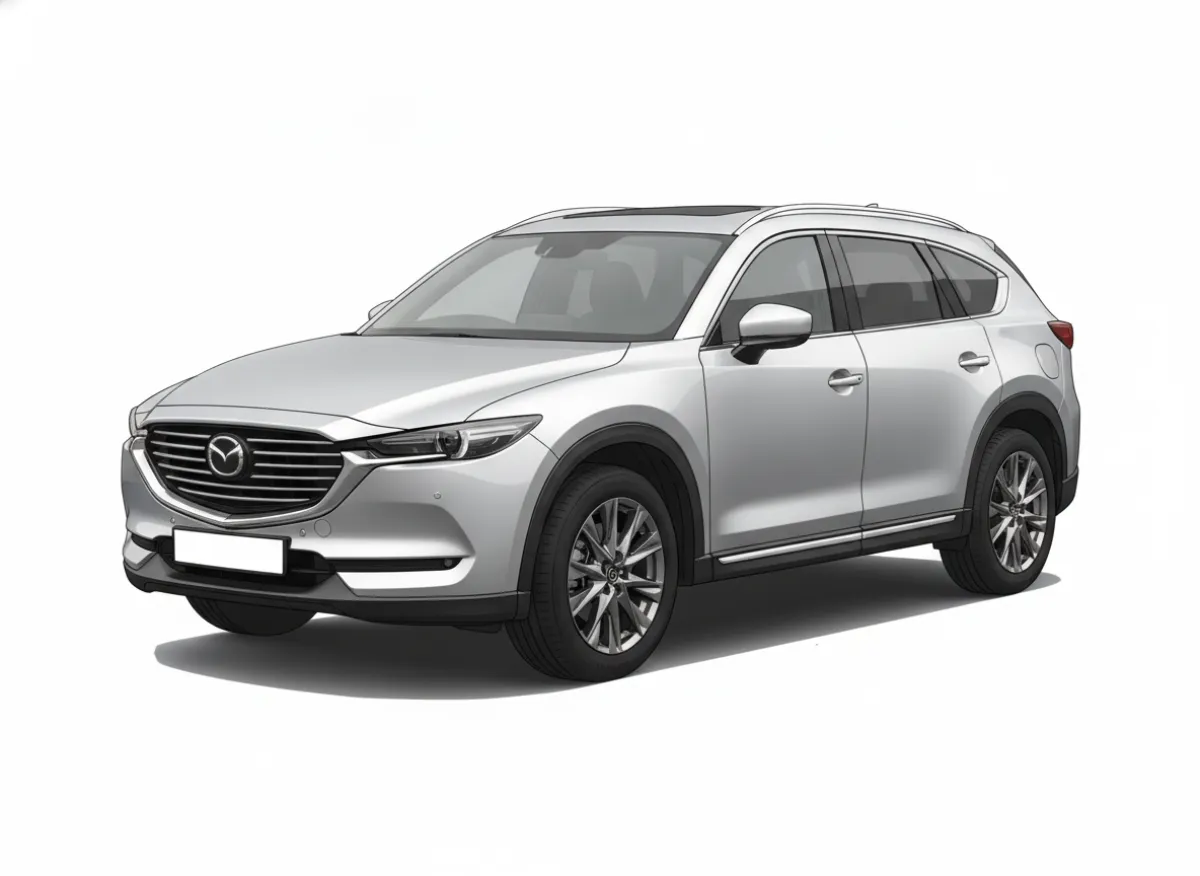
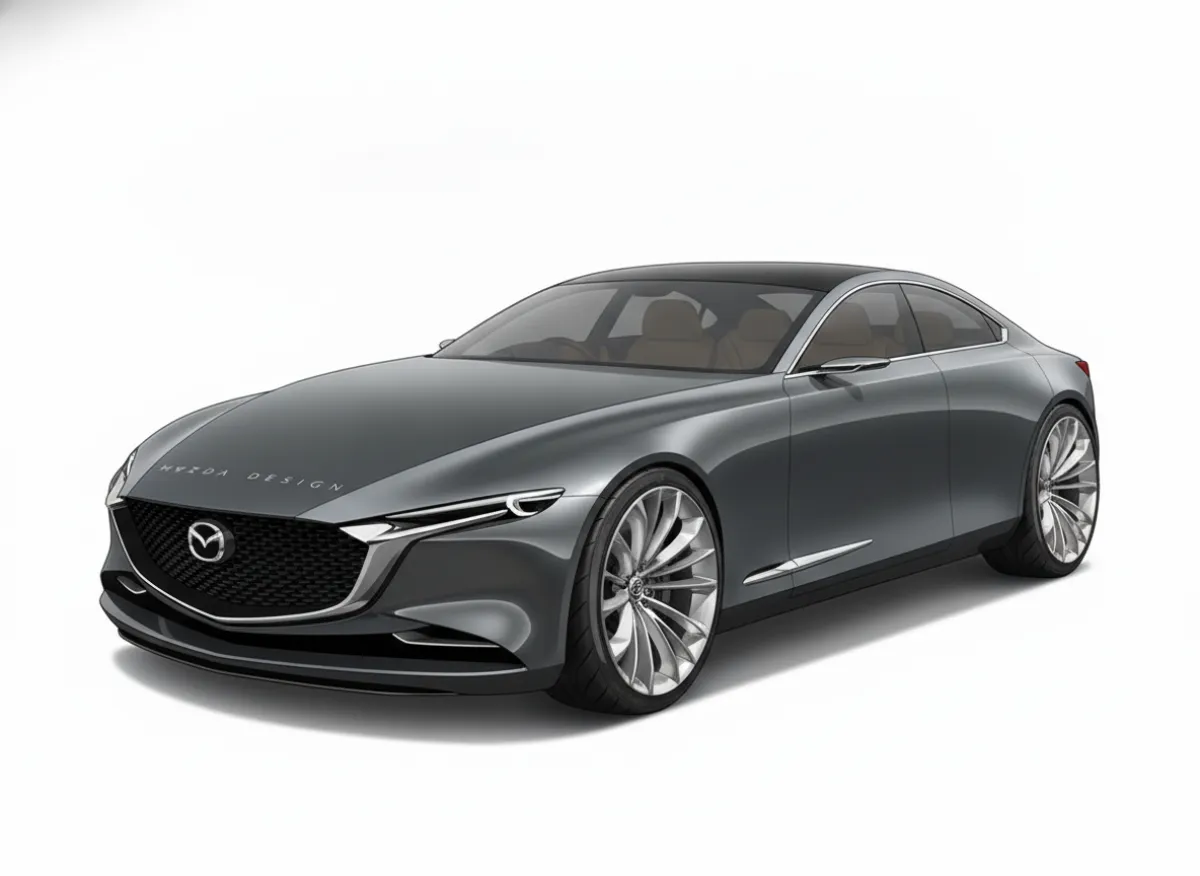
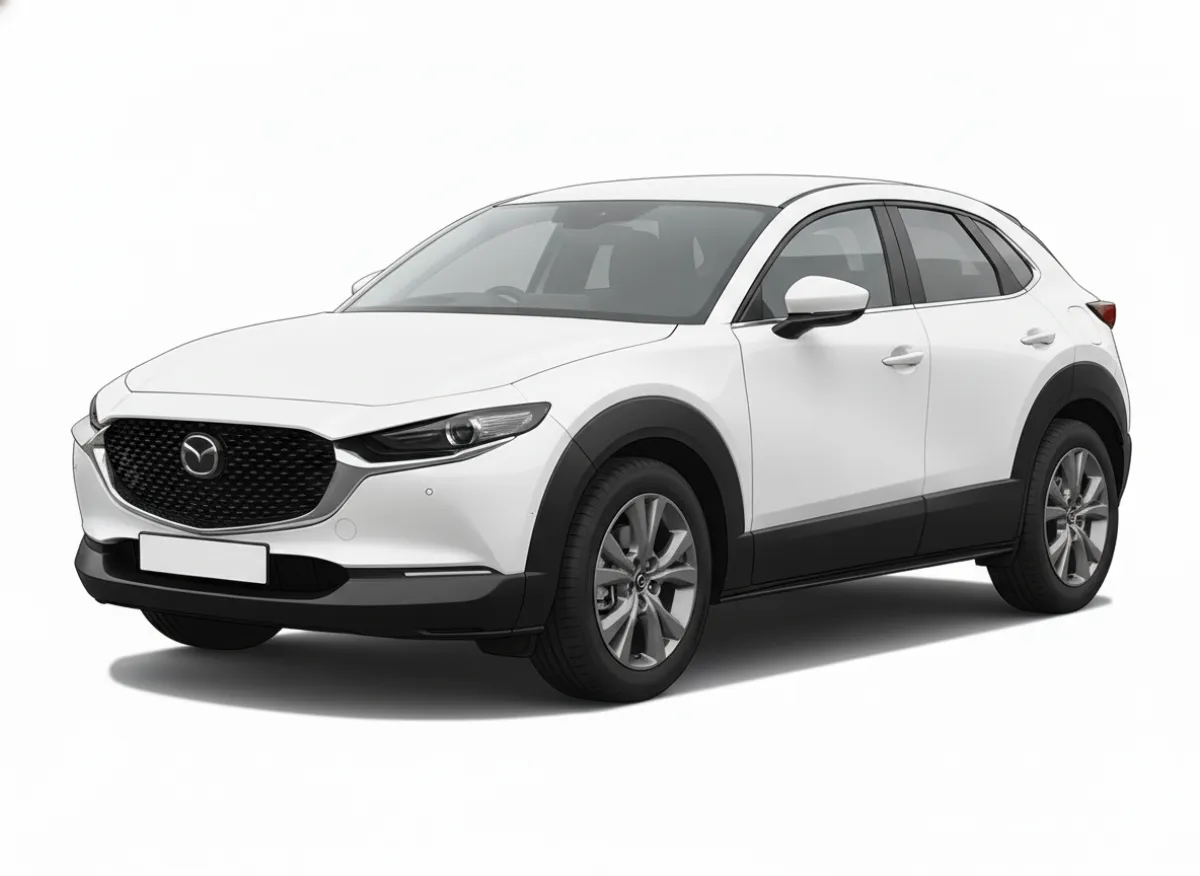
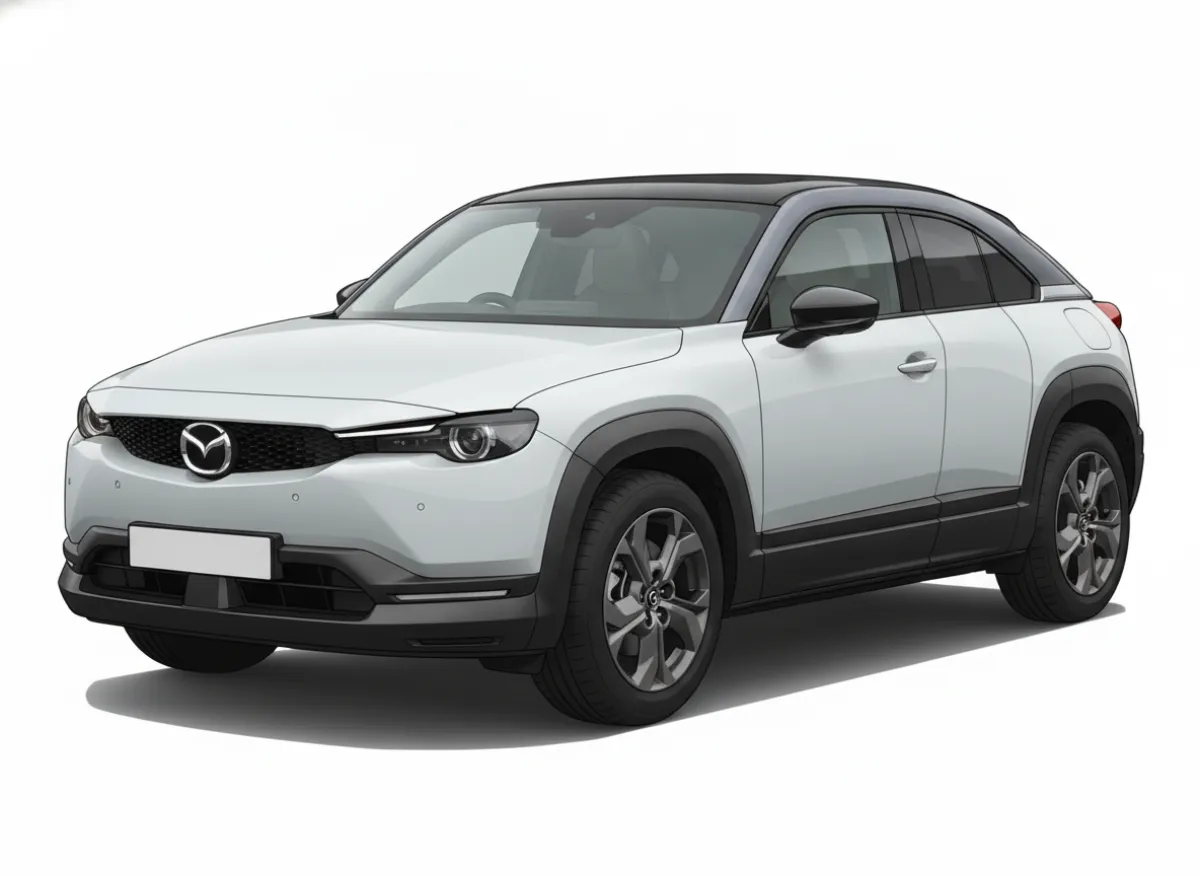
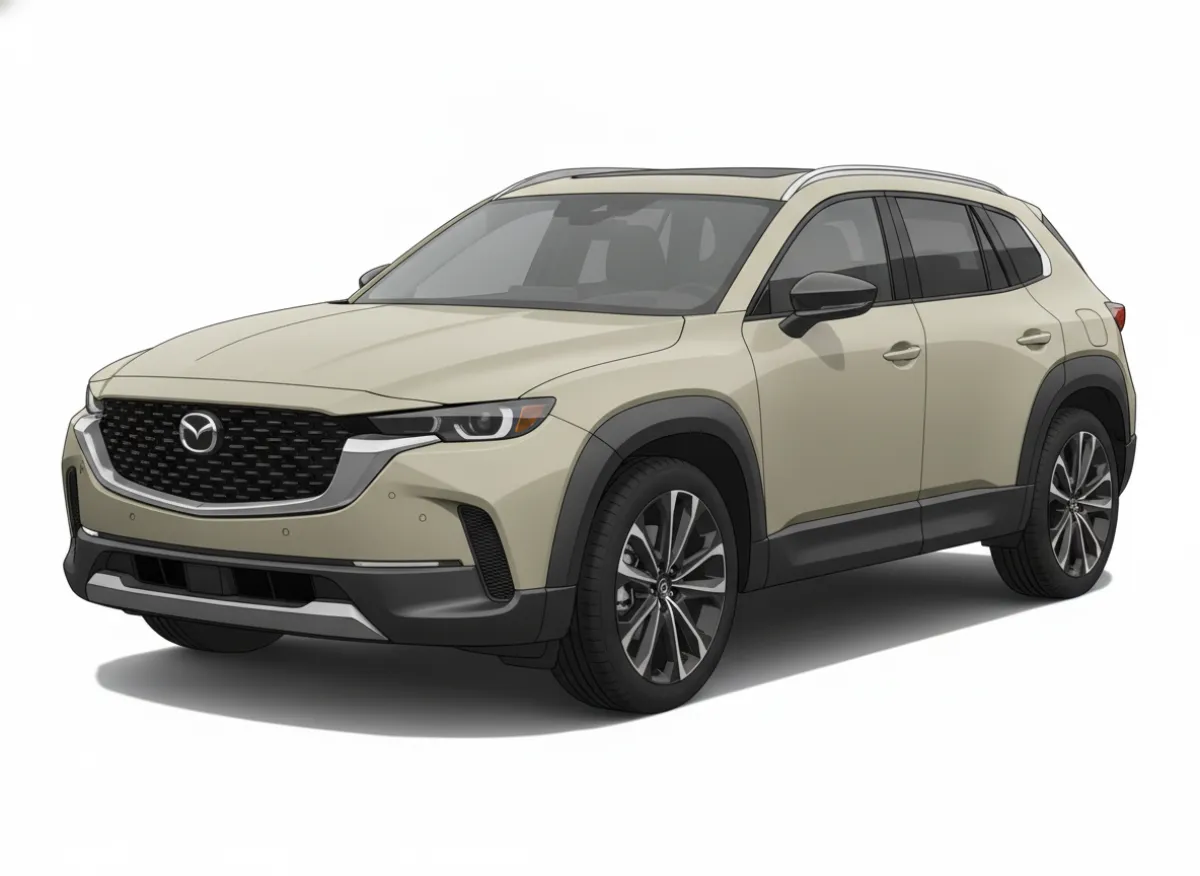
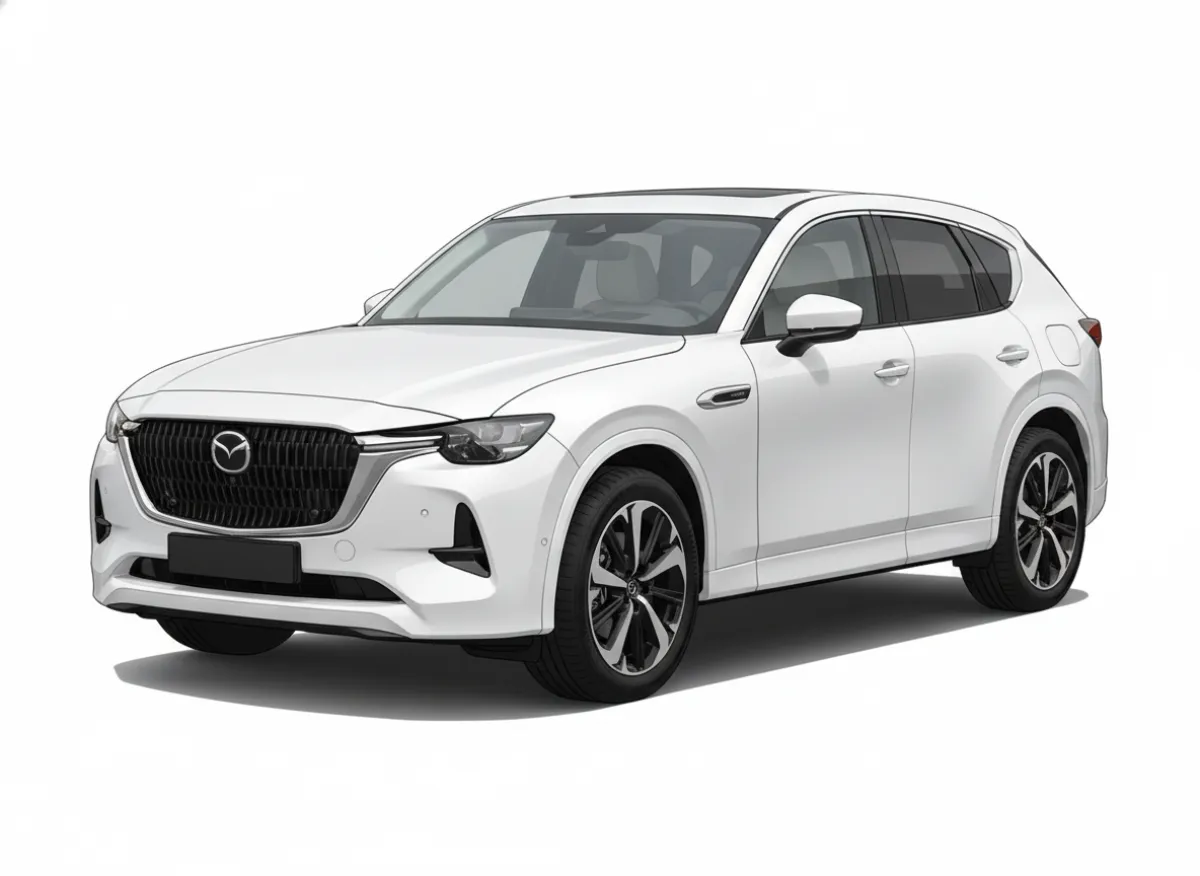
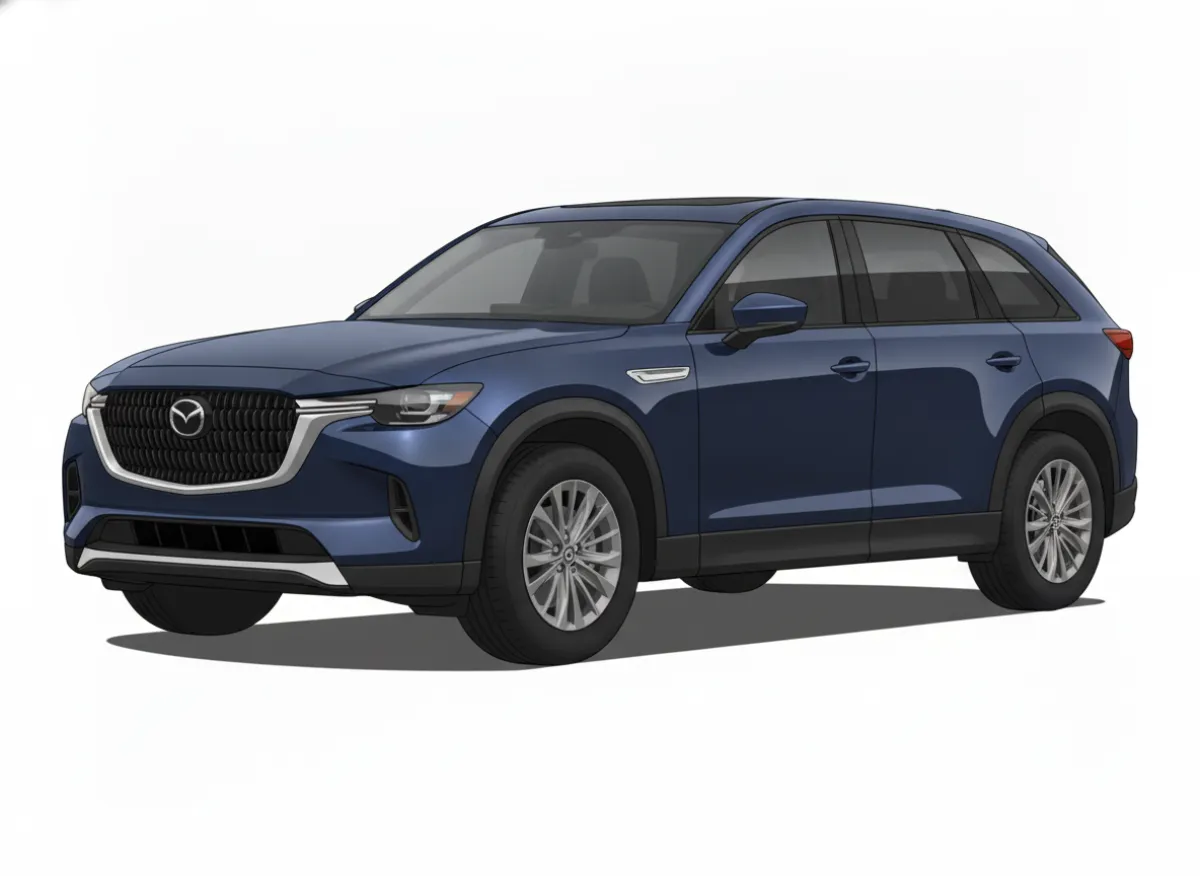
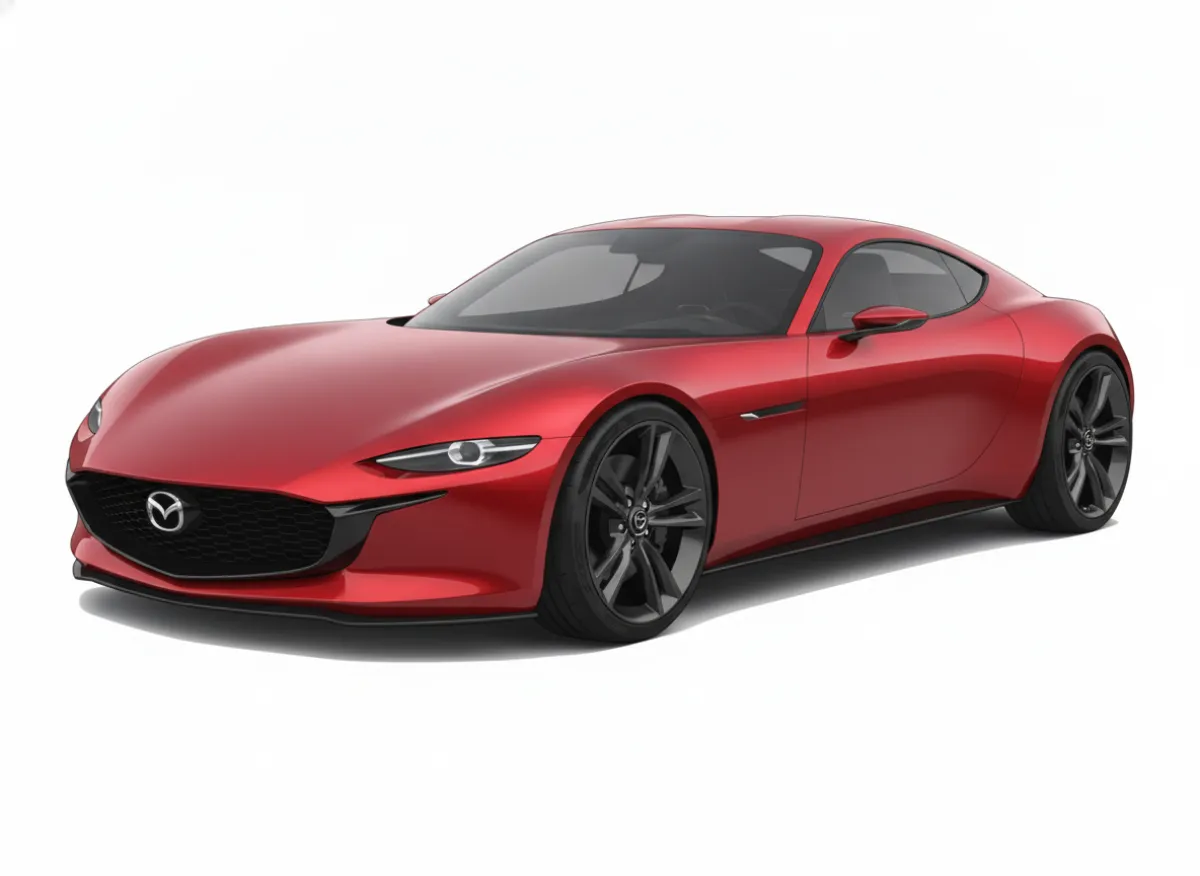
Year not recorded
3 launched
History
1920–1930
Cork, a fire and a new name
The company started life in January 1920 as Toyo Cork Kogyo Co., Ltd., a Hiroshima maker of cork products. Its first president, Shinpachi Kaizuka, stood down through illness, and in March 1921 Jujiro Matsuda took over. Matsuda, born in Hiroshima in 1875, had built a business making pumps in Osaka and had come back to the city to run his own works; under him the firm developed compressed cork board, which it began producing in 1922.
In December 1925 a fire wrecked about 70 percent of the plant's equipment and halted production. Matsuda used the rebuild to move the company away from cork and towards machinery, and in September 1927 it was renamed Toyo Kogyo Co., Ltd. By 1929 it was making machine tools and had built a prototype two-stroke motorcycle engine.
1931–1945
Mazda-Go three-wheelers and the war
Toyo Kogyo opened a new automobile plant at Fuchu village outside Hiroshima, moved its headquarters there, and in October 1931 began building the Mazda-Go type DA, a three-wheel light truck sold through Mitsubishi. The name Mazda was registered as a trademark in 1934. Mazda's own production table records 66 vehicles in 1931, rising to 3,097 in 1937.
From 1938 the works was placed under army and navy control and shifted steadily to rifle parts, aircraft engine parts and other munitions, and truck output sank to 79 in 1945. When the atomic bomb fell on Hiroshima in August 1945, about 200 employees who had been sent into the city to clear buildings were among the victims. The company lent its buildings to the Hiroshima prefectural authorities, won approval to return to civilian work in November, and was building three-wheel trucks again by December.
1946–1966
Rebuilding, and the first passenger cars
Three-wheel trucks carried the company through the post-war years. In December 1951 Jujiro Matsuda moved up to chairman and handed the presidency to Tsuneji Matsuda, his adopted son-in-law; Jujiro died the following March. Monthly capacity reached 3,000 vehicles in 1953 and annual output passed 64,000 in 1959.
The R360 Coupe, the company's first passenger car, went on sale in May 1960, and output jumped to 157,405 vehicles that year. The Carol kei car followed in 1962, the year of a design tie-up with Bertone, and the Familia in 1963–64. Mazda says it was the highest-producing Japanese motor manufacturer for three years running by the end of 1962. In July 1961 the Japanese government approved Toyo Kogyo's technical assistance contract with NSU and Wankel to develop the rotary engine.
1967–1978
The rotary gamble and the oil-crisis reckoning
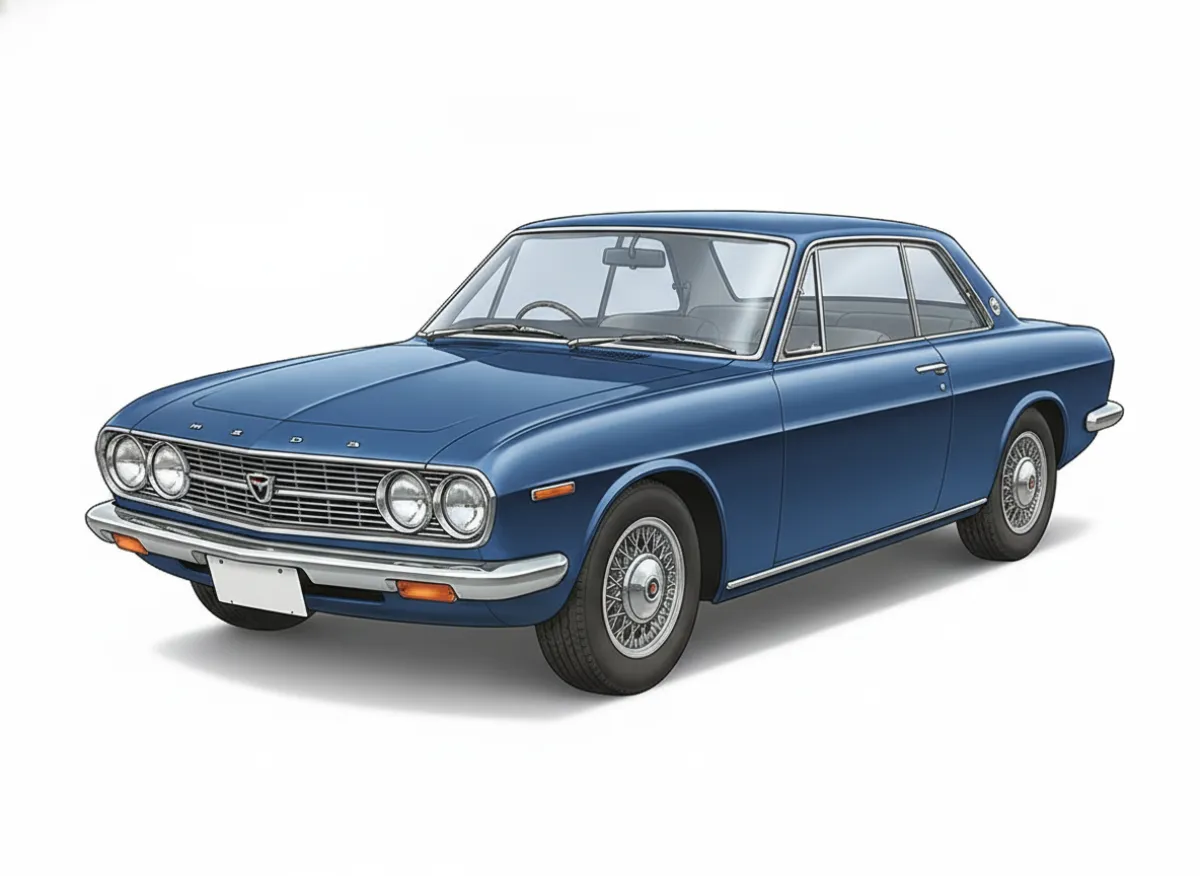
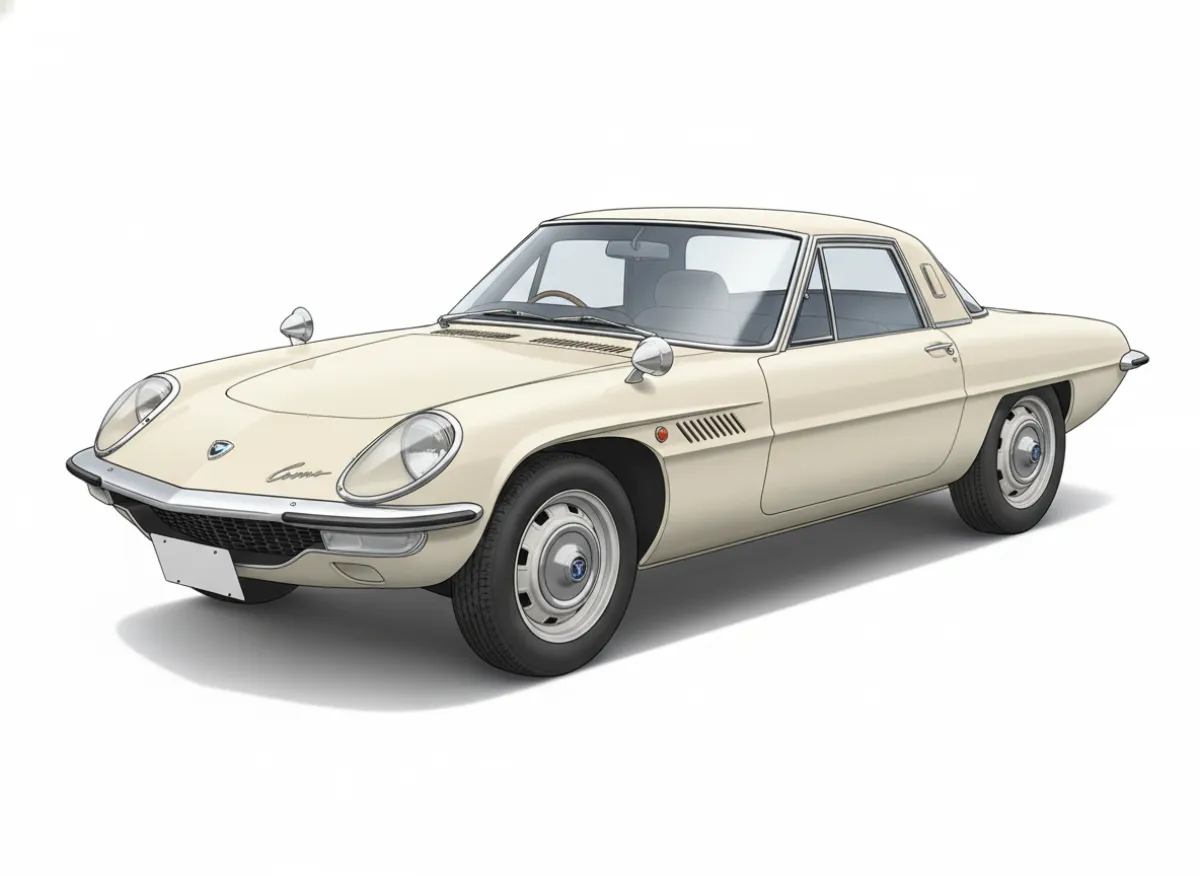
The Cosmo Sport went on sale in May 1967 with a two-rotor Wankel engine, and rotary versions of the Familia, Luce, Capella and Savanna followed as exports to Europe, Canada and the United States began. Tsuneji's son Kohei Matsuda, executive vice president since 1961, became the fourth president in November 1970. Output reached 742,076 vehicles in 1973.
The 1973 oil shock hit the rotary hard, because the engines' fuel consumption was poor next to piston rivals. Production fell to 642,614 in 1975, and Mazda's records show the first large deficit in its history that year, a non-consolidated operating loss of ¥14.5 billion for the year to October 1975. The Sumitomo group, led by the company's main bank, Sumitomo Bank, stepped in to keep it solvent: in January 1976 a Sumitomo Bank managing director, Tsutomu Murai, arrived as executive vice president, and factory staff were sent out to sell cars at dealers across Japan. In December 1977 Kohei Matsuda stepped back to chairman and Yoshiki Yamasaki became president, ending 56 years of Matsuda family leadership. The RX-7 sports car of March 1978 showed the rotary still had a future.
1979–1988
Ford's partner, and Mazda Motor Corporation
In November 1979 Ford took a 24.5 percent stake (Mazda's own timeline rounds it to 25 percent). The agreement covered supply of Mazda-built vehicles and components to Ford, technical cooperation and, later, joint sales in Japan and joint manufacturing in the United States. Mazda's timeline says annual production passed one million vehicles in December 1979; a new plant at Hofu in Yamaguchi Prefecture started up in 1982, and a Ford sales channel in Japan, Autorama, set up in December 1981, began selling Mazda-built Fords in 1982.
In May 1984 Toyo Kogyo renamed itself Mazda Motor Corporation so that company and brand shared one name, and that November Kenichi Yamamoto became president. A US assembly plant at Flat Rock, Michigan built its first car, an MX-6, in September 1987.
1989–1995
Five channels and the bubble
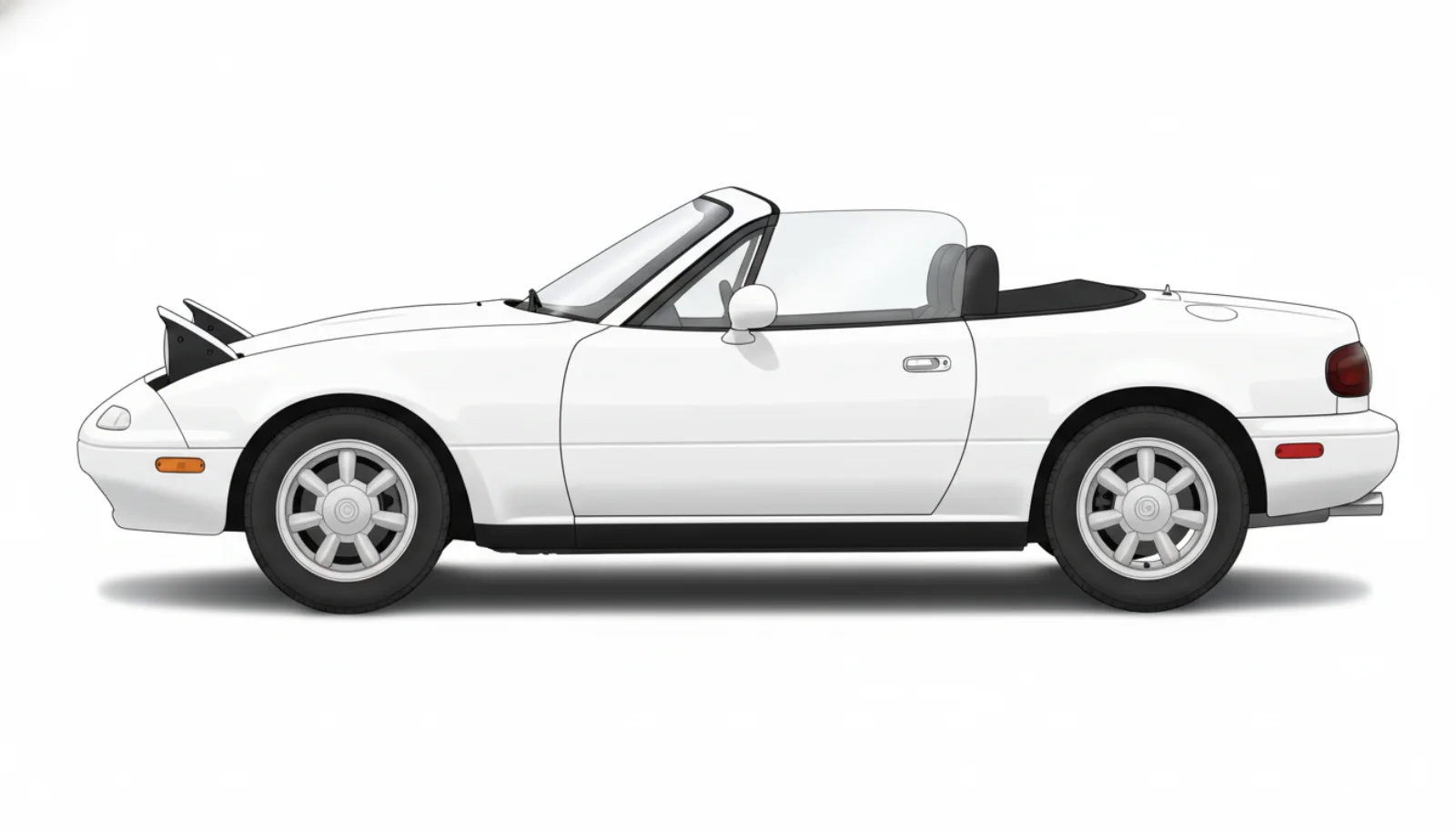
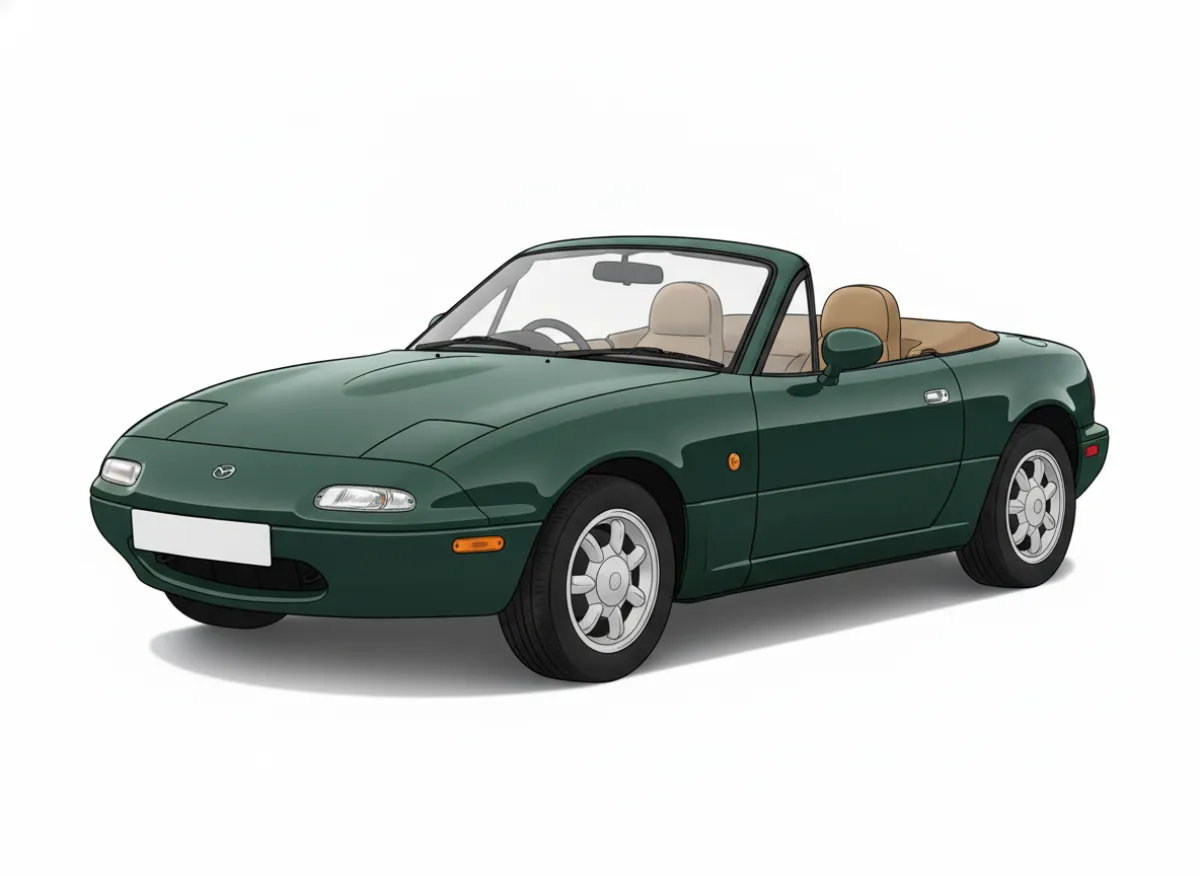
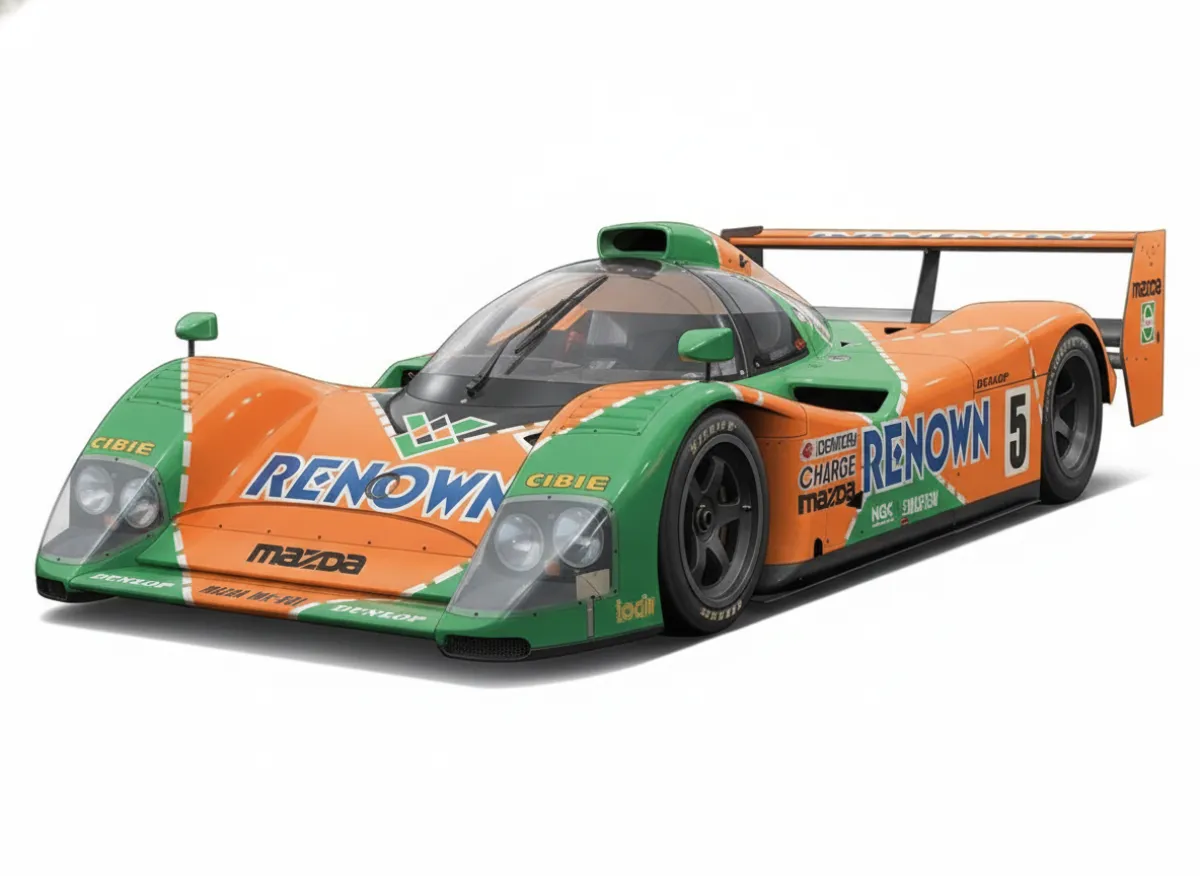
Flush with bubble-era confidence, Mazda opened two new Japanese dealer networks in April 1989, Eunos and Autozam, giving it five sales channels alongside Mazda, Mazda Auto (renamed ɛ̃fini in November 1991) and Autorama. Each needed its own models. The Eunos Roadster, sold abroad as the MX-5 (Miata in North America), went on sale in September 1989, and in June 1991 a rotary-engined 787B won the Le Mans 24 Hours. A planned upmarket brand for North America, Amati, was dropped before any car was sold.
Production peaked at 1,513,955 vehicles in 1990. When the bubble burst the spread of channels and look-alike models became a burden: output fell to 870,359 in 1995, and Mazda reported consolidated operating losses for the fiscal years beginning in 1993, 1994 and 1995.
1996–2008
Under Ford control
An April 1996 amendment to the 1979 agreement raised Ford's holding to 33.4 percent in May 1996 and gave Ford the right to nominate Mazda's president. The European Commission treated it as Ford acquiring control. Henry Wallace became president in June 1996, the first non-Japanese to run the company; Eunos dealers were merged into the other channels the same spring. Wallace was followed by James Miller in November 1997 and Mark Fields in December 1999, whose Millennium Plan of November 2000 cut jobs and domestic capacity.
The recovery that followed rested on shared Ford components and a new product line, launched under the Zoom-Zoom brand message that Mazda adopted worldwide in April 2002: the Mazda6 (Atenza) and Mazda2 (Demio) in 2002, and the RX-8 and Mazda3 (Axela) in 2003. Lewis Booth succeeded Fields in June 2002, and in August 2003 Hisakazu Imaki became the first Japanese president and CEO since 1996. Production climbed back to 1,349,392 in 2008, and consolidated sales reached a then-record ¥3,475.8 billion in the year to March 2008.
2008–2016
Ford steps back; Skyactiv
Short of cash in the financial crisis, Ford sold most of its holding to Mazda and its business partners in November 2008, dropping from 33.4 percent to 13.8 percent by Mazda's count. Takashi Yamanouchi took over as president the same month. A Mazda public share offering in November 2009 diluted Ford to 11 percent, and a sale in November 2010 cut it to 3.5 percent. After Mazda raised more equity in 2012, reports put Ford's holding at about 2 percent, and Ford sold the last of it in 2015, 36 years after the original deal.
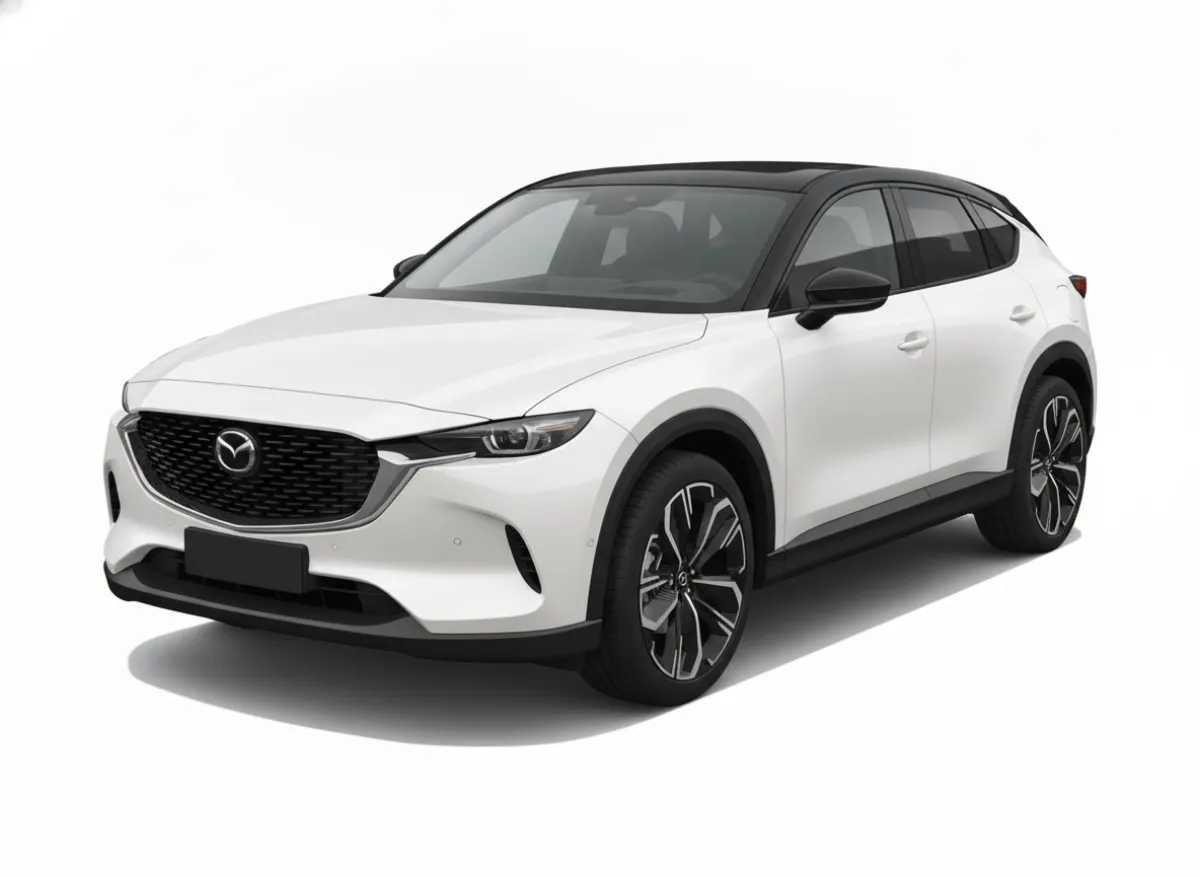
Without a big partner's platforms, Mazda bet on its own engineering. It announced the Kodo design language in September 2010 and the Skyactiv family of engines, transmissions and bodies that October; the CX-5, the first model to use the full set, went on sale in February 2012. Masamichi Kogai became president in June 2013, a new plant in Mexico built its first car, a Mazda3, in January 2014, and production reached 1,540,575 in 2015.
2015–now
A Toyota alliance, and the second century
Mazda and Toyota announced a broad cooperation agreement in May 2015 and turned it into a capital alliance on 4 August 2017: Toyota subscribed for 31,928,500 new Mazda shares worth ¥50 billion, a 5.05 percent stake, and Mazda took Toyota shares of equal value, 0.25 percent. In March 2018 the two set up a joint venture to build vehicles in the United States.
Akira Marumoto became president in June 2018. The Skyactiv-X compression-ignition petrol engine reached showrooms in 2019, the company marked its centenary in January 2020, and the MX-30 became its first series-production electric car. Masahiro Moro, formerly head of Mazda's North American operations, succeeded Marumoto as president and CEO in June 2023.
Milestones
- 1920
Toyo Cork Kogyo Co., Ltd. founded in Hiroshima (January).
- 1921
Jujiro Matsuda becomes the second president (March).
- 1925
Fire destroys about 70% of the factory's equipment (December).
- 1927
Renamed Toyo Kogyo Co., Ltd. (September).
- 1931
Production of the Mazda-Go type DA three-wheel truck begins (October).
- 1945
About 200 employees killed in the atomic bombing of Hiroshima (August); three-wheel truck production resumes in December.
- 1960
R360 Coupe, the first passenger car, goes on sale (May).
- 1961
Government approves the rotary-engine technical assistance contract with NSU/Wankel (July).
- 1963
Cumulative production reaches 1 million (March).
- 1967
Cosmo Sport (110S), the first two-rotor rotary car, goes on sale (May); full-scale exports to Europe begin.
- 1975
First large deficit in company history; Sumitomo Bank leads the rescue.
- 1977
Kohei Matsuda replaced as president by Yoshiki Yamasaki (December).
- 1978
RX-7 (Savanna RX-7) goes on sale (March).
- 1979
Ford takes a 24.5% stake (November); annual production passes one million (December, per Mazda's timeline).
- 1982
Hofu plant opens in Yamaguchi Prefecture.
- 1984
Toyo Kogyo renamed Mazda Motor Corporation (May).
- 1987
First car (MX-6) built at Flat Rock, Michigan (September).
- 1989
Eunos and Autozam channels launched (April); MX-5 / Eunos Roadster goes on sale (September).
- 1990
All-time production peak of 1,513,955 vehicles.
- 1991
Mazda 787B wins the Le Mans 24 Hours (June).
- 1996
Ford raises its stake to 33.4% and takes control (May); Henry Wallace becomes president (June).
- 2002
'Zoom-Zoom' adopted as the global brand message (April); Mazda6 / Atenza goes on sale.
- 2003
RX-8 (April) and Mazda3 / Axela (August) launched.
- 2007
'Sustainable Zoom-Zoom' technology vision announced (March).
- 2008
Ford cuts its stake to 13.8% (November).
- 2010
Skyactiv technologies unveiled (October); Ford cuts its stake to 3.5% (November).
- 2012
CX-5, the first full Skyactiv model, goes on sale (February).
- 2014
New Mexico plant builds its first car, a Mazda3 (January).
- 2015
Fourth-generation MX-5 launched (May); Ford sells its last Mazda shares.
- 2017
Business and capital alliance with Toyota; Toyota takes 5.05% (August).
- 2018
Joint US manufacturing company with Toyota established (March); cumulative production in Japan reaches 50 million (May).
- 2020
Centenary (January); MX-30, the first series-production Mazda EV, launched in Europe.